Ticonderoga in 1776
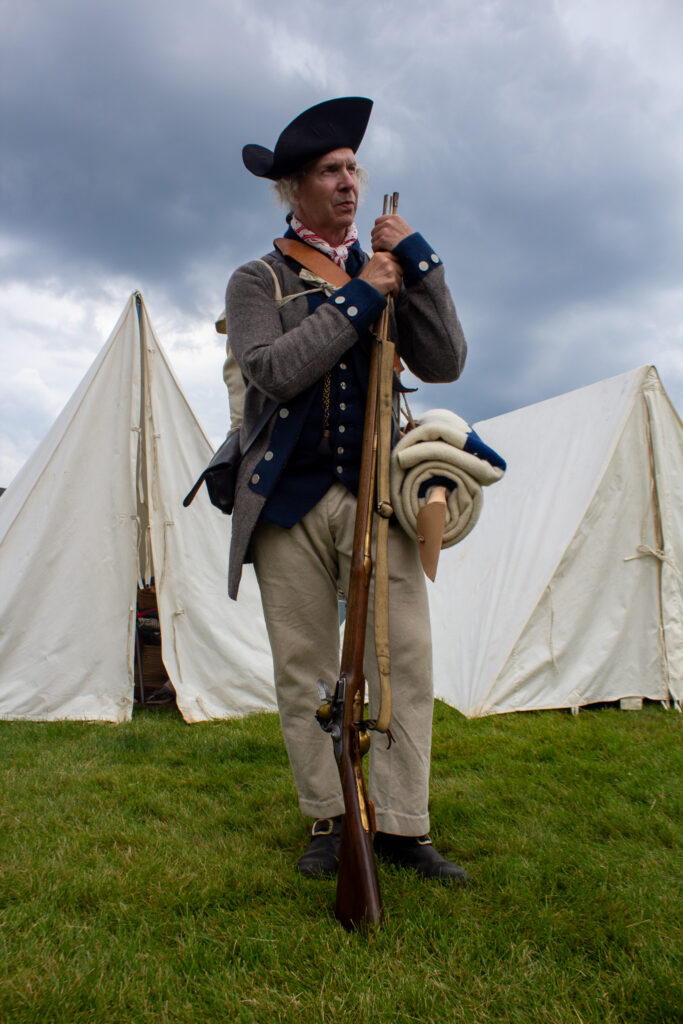
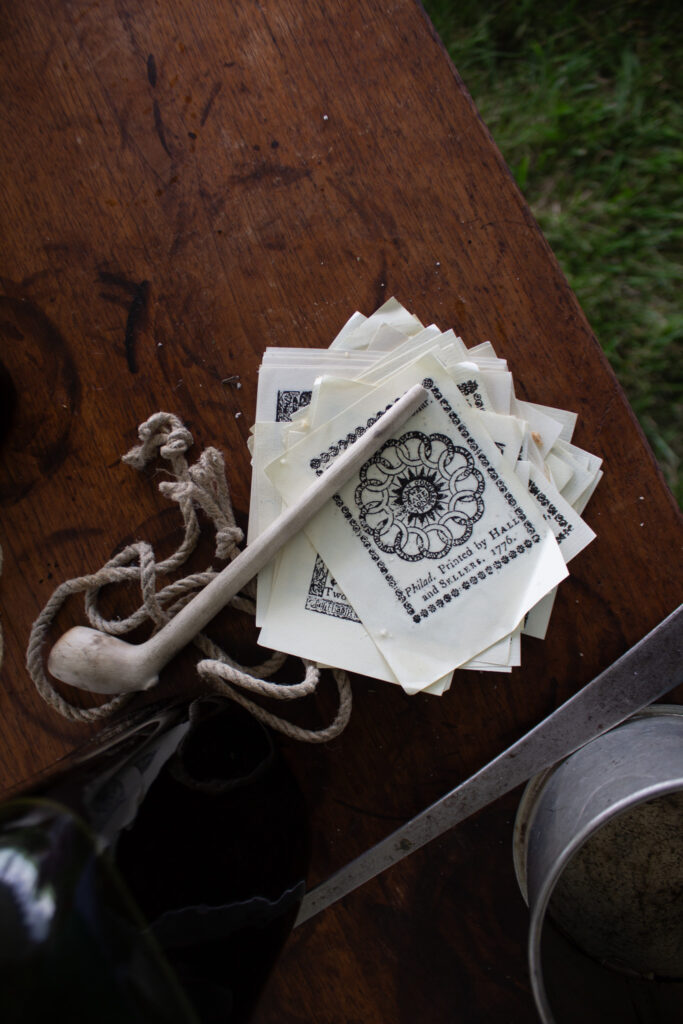
On July 4, 2026, I visited Fort Ticonderoga to celebrate the 250th anniversary of American independence—the Semiquincentennial. Although the Fort itself had little to do with the Declaration of Independence (the actual event celebrated on the Semiquincentennial), there was something especially fitting about spending Independence Day at a place so deeply connected to the Revolutionary era and the military history of the United States.
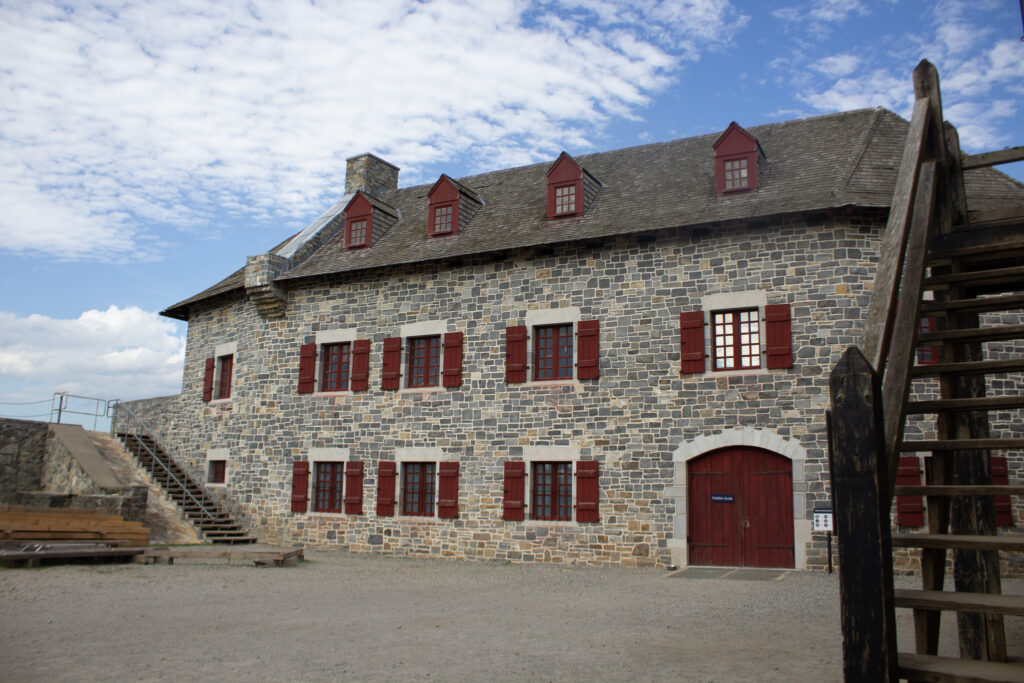
Fort Ticonderoga sits at the southern end of Lake Champlain, where the waterway has long served as an important route between Canada and the Hudson River Valley. Originally built by the French in the 1750s, the fort changed hands several times during the French and Indian War and the American Revolution. In May 1775, Ethan Allen and Benedict Arnold led the capture of Fort Ticonderoga from the British, an early and important victory for the American cause. The fort’s artillery would soon play an even greater role in the Revolution when Henry Knox transported captured cannons from Ticonderoga to Boston, helping force the British evacuation of the city.
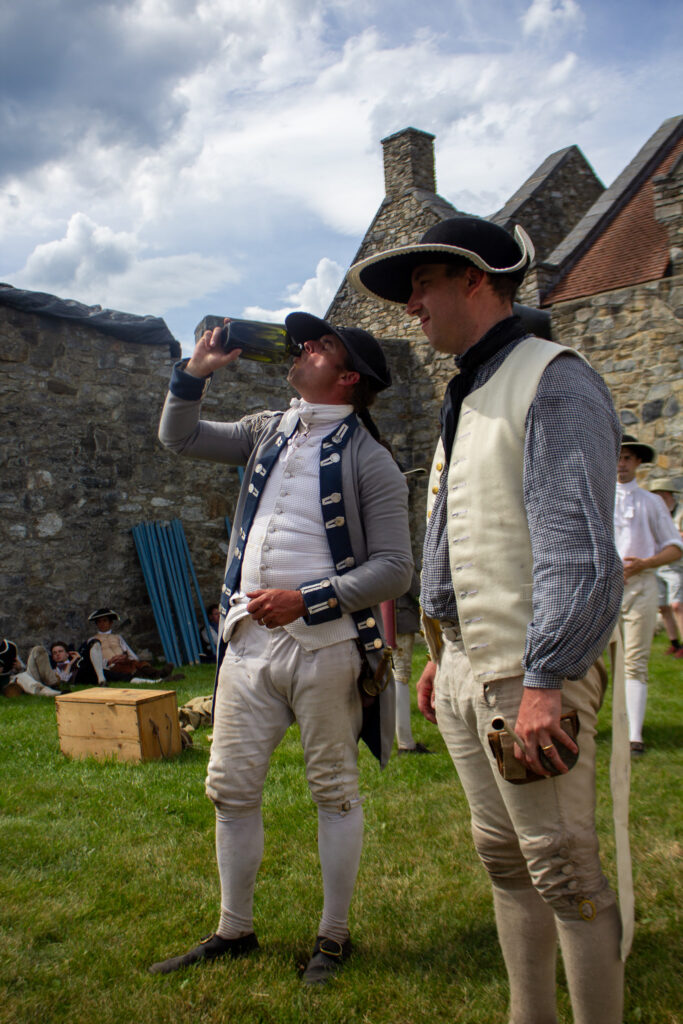
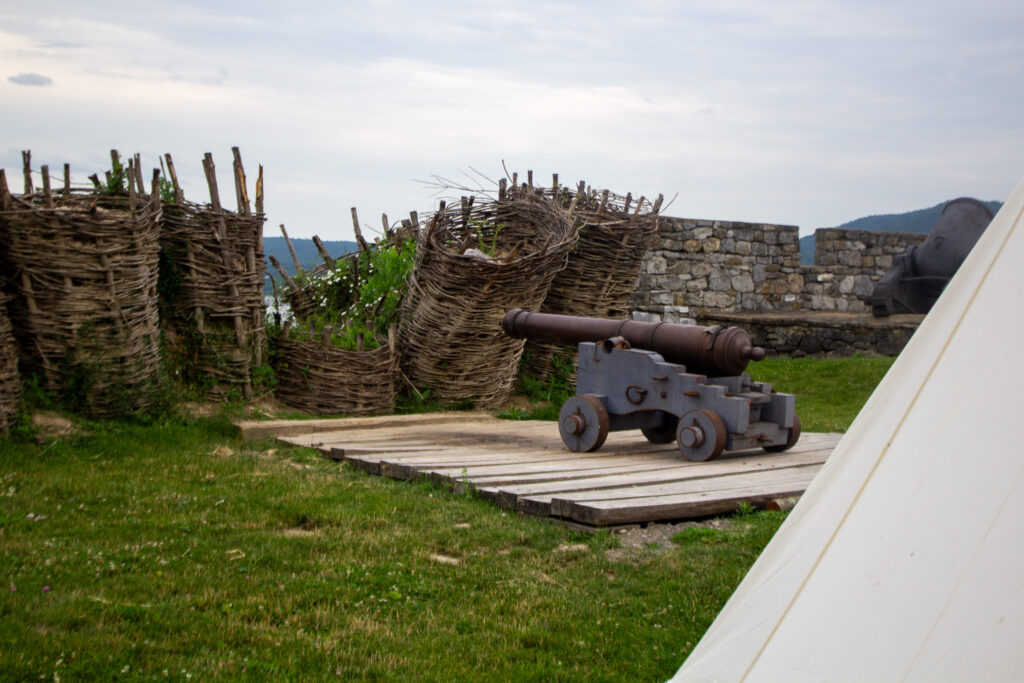
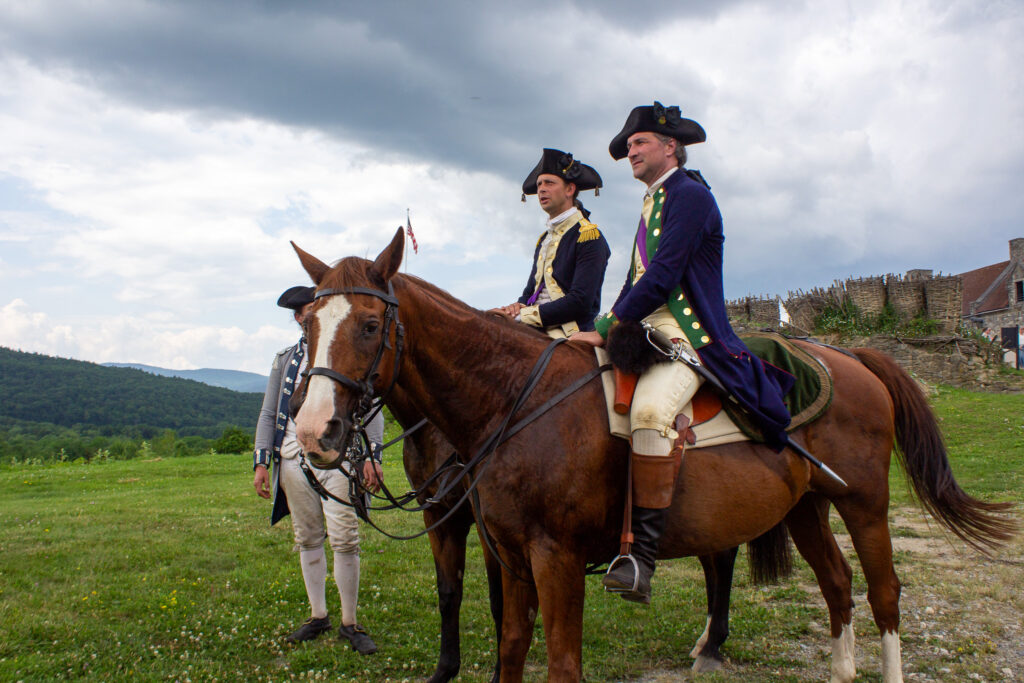

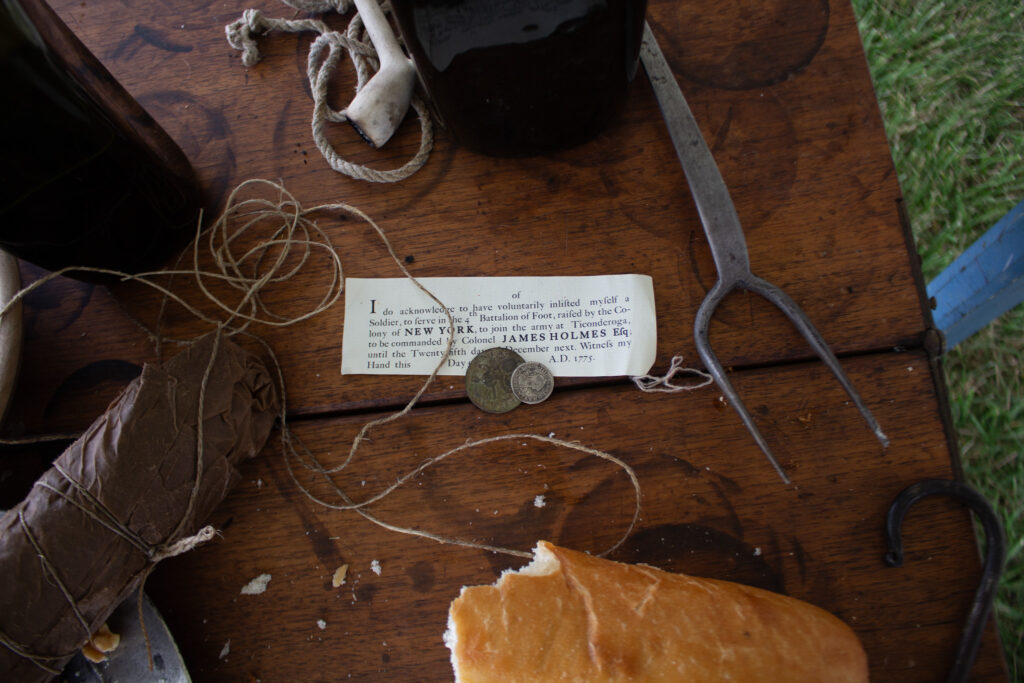
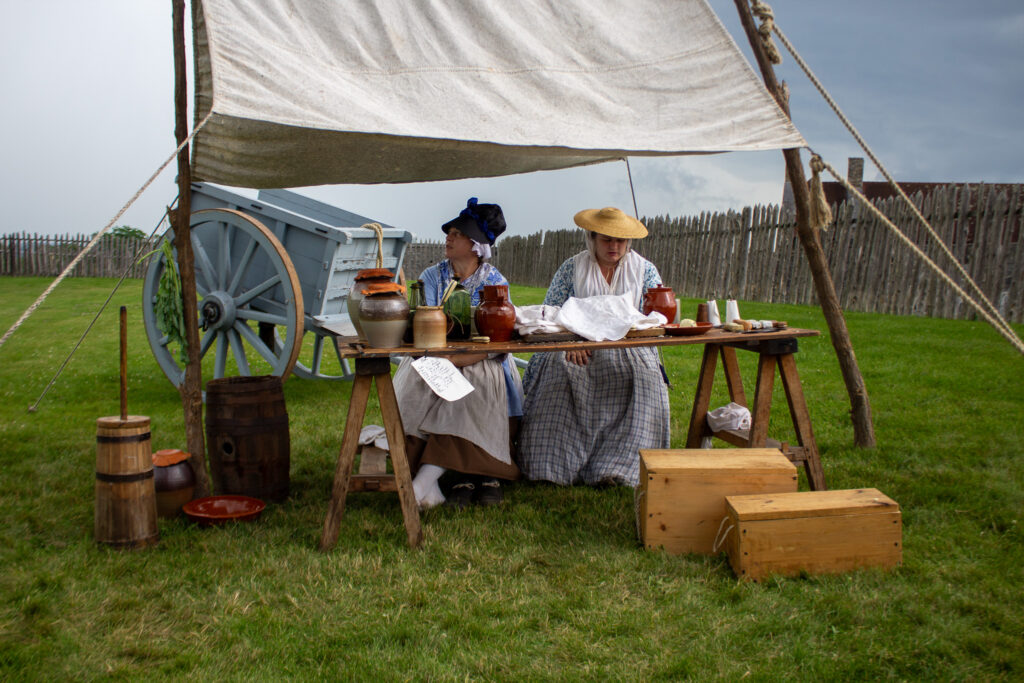
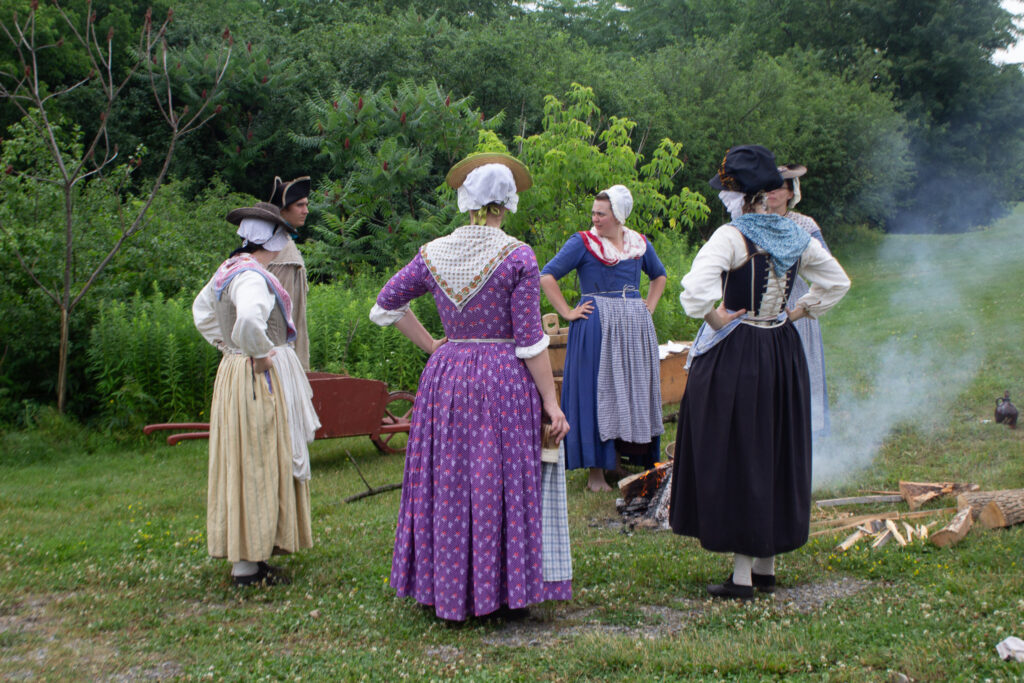
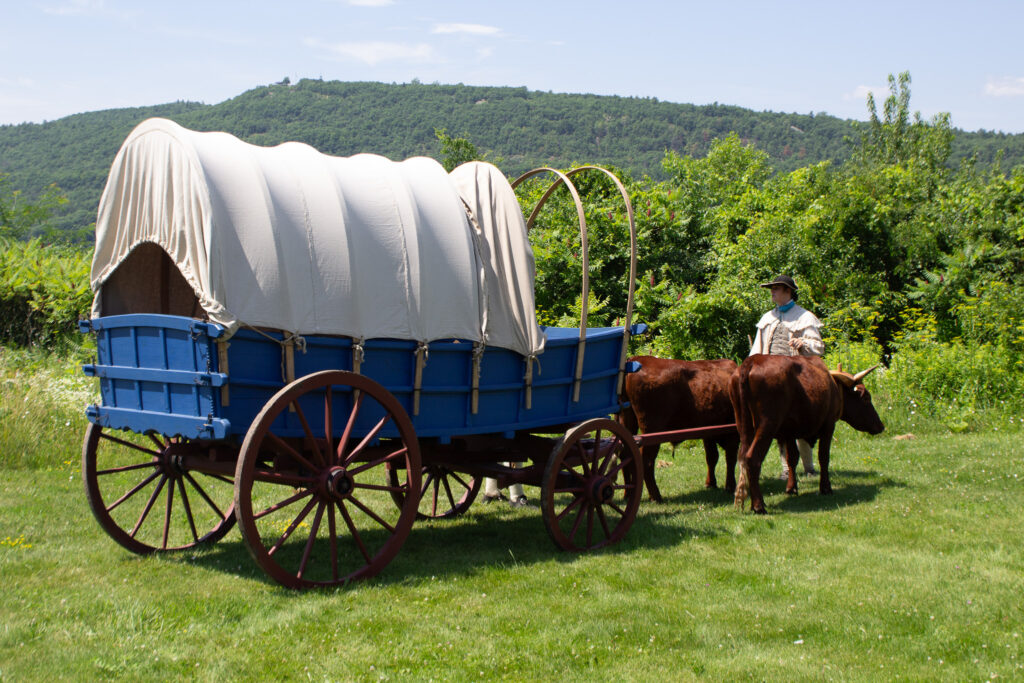
Celebrating the Semiquincentennial
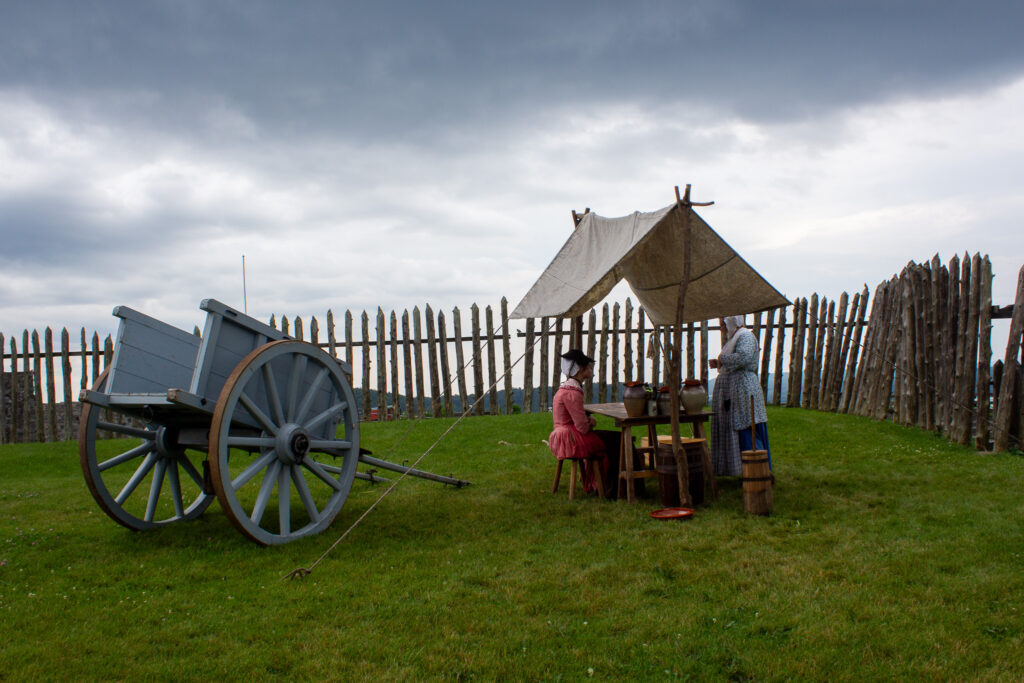
Visiting on July 4 brought that history into the present in a particularly tangible way. A flying hospital (or a mobile medical unit) was set up outside the Fort, demonstrating the immediate care provided to sick and wounded soldiers. At Fort Ticonderoga, these mobile medical operations handled devastating waves of illnesses, such as smallpox and dysentery, during the Northern Army’s military campaigns and retreats.