Reenactors took to Pinkney Street to recreate Revolutionary Maryland on September 20, 2025. Pinkney Street embodies the layered history of Revolutionary Annapolis, where daily life unfolded against the backdrop of the American Revolution in Maryland.
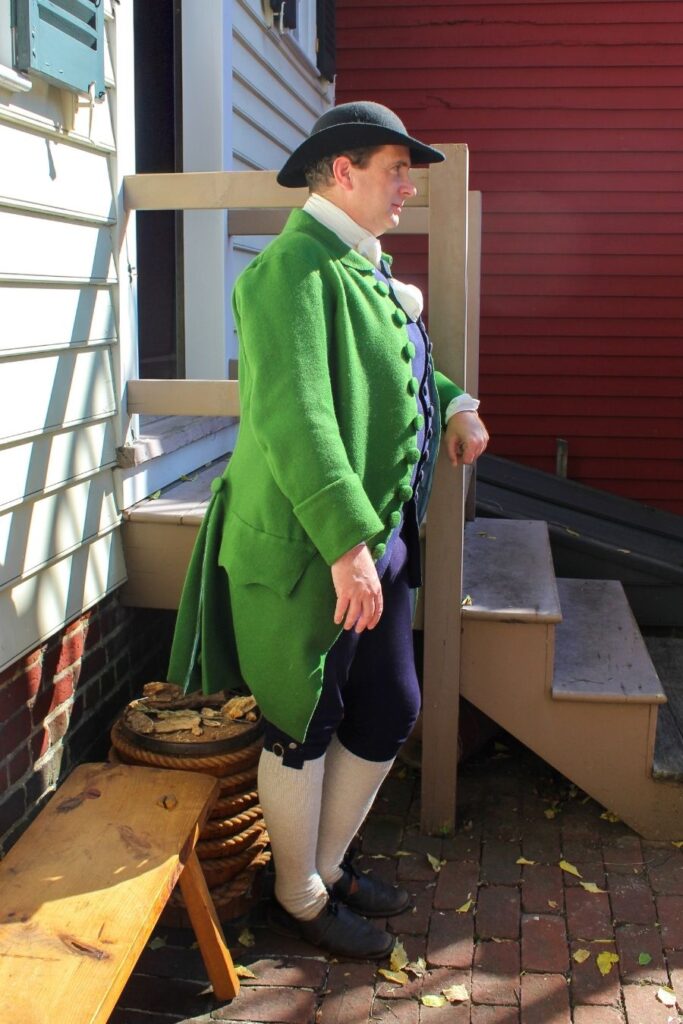
Costumed interpreters portrayed the fall of 1775 during Historic Annapolis’ program, “March to the Revolution.” Pinkney Street is a short cobblestone street lined with some of the oldest surviving buildings in Annapolis. Three historic properties—the Waterfront Warehouse, Shiplap House, and Hogshead Trades Museum—sit alongside modern residences. Occasionally, this 0.1-mile stretch hosts a Revolutionary Annapolis takeover, presenting Annapolis’ history from 250 years ago as we approach the 250th anniversary of the Declaration of Independence.
During the “takeover” event, the entire street transformed into a series of small living history scenes. At several stations along the street, visitors had the opportunity to interact with various people from colonial Annapolis.
Sailors, Ships, and the American Revolution
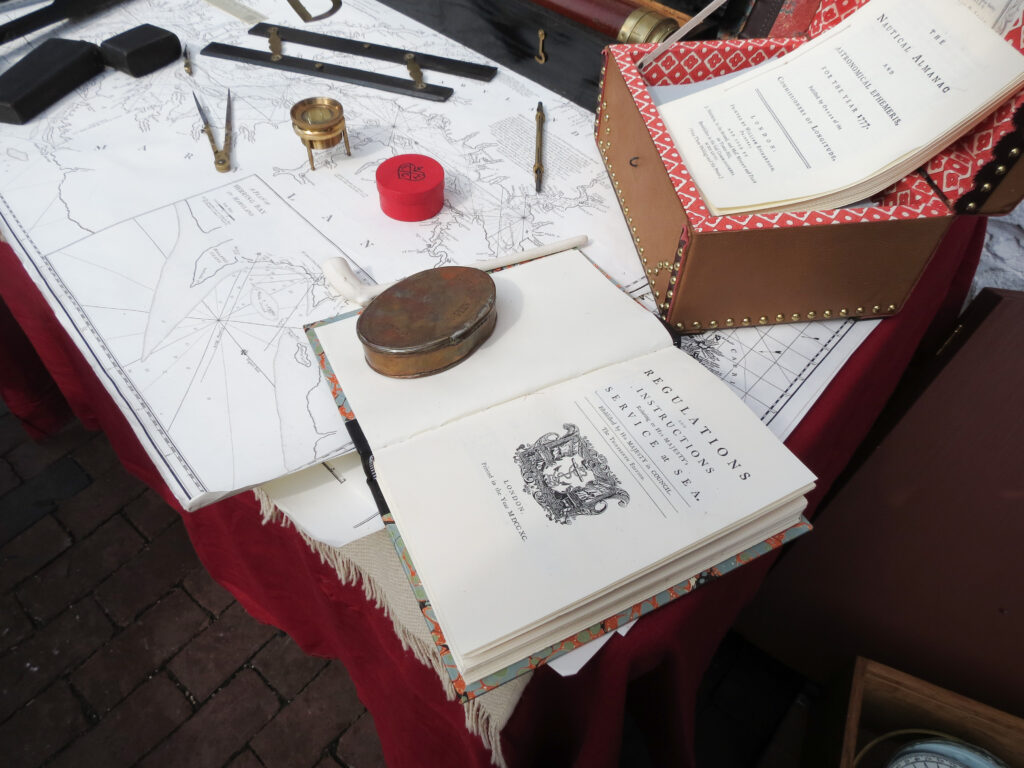
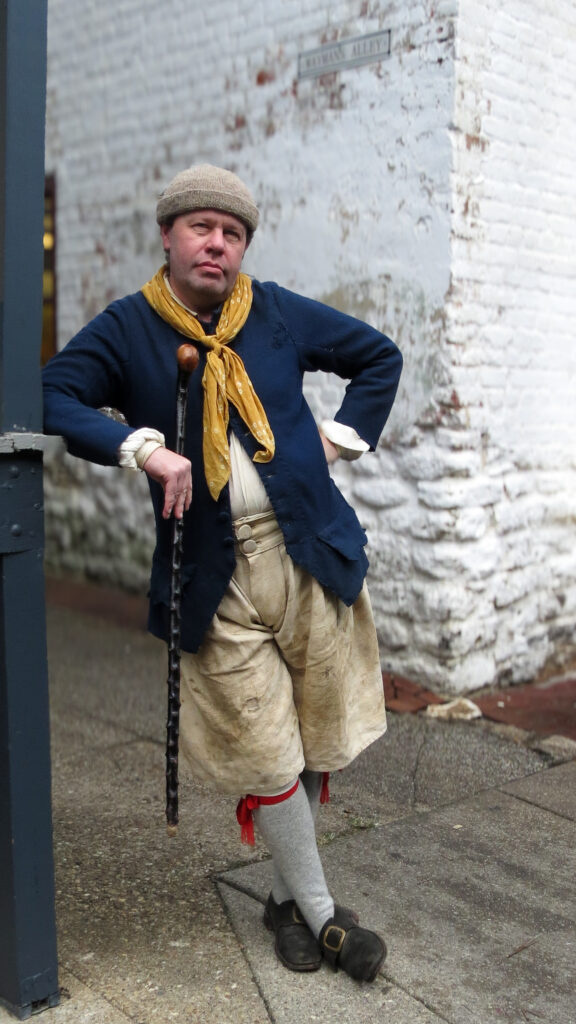
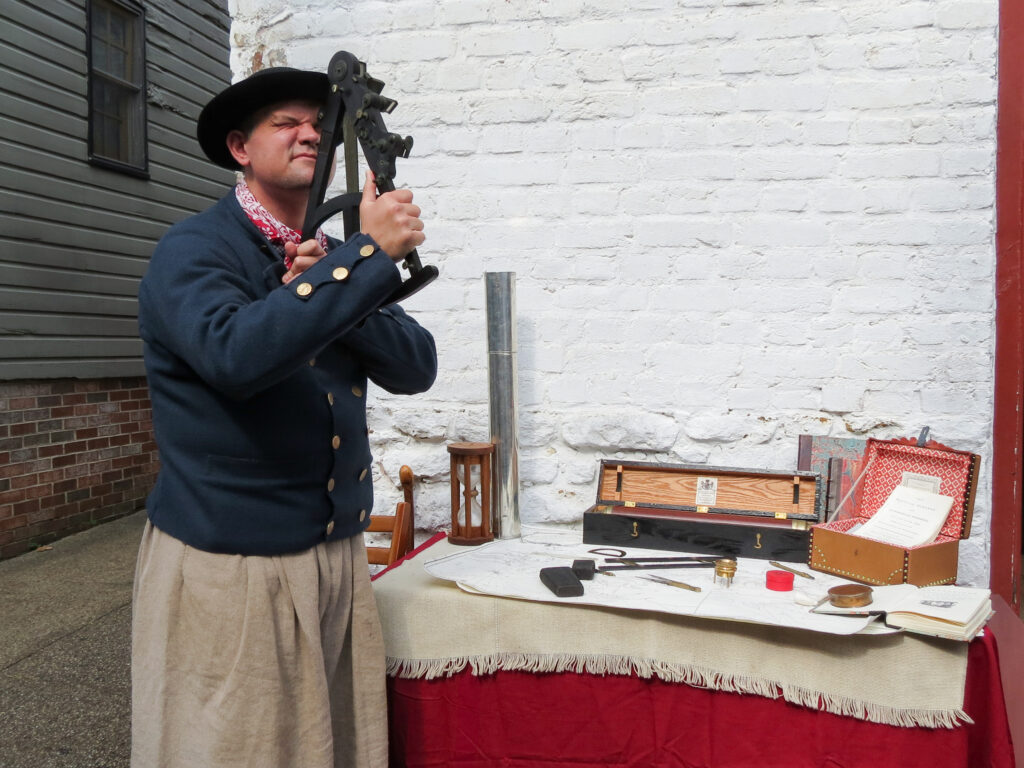
At the Waterfront Warehouse near the harbor, reenactors represented Annapolis’s working-class sailors and mariners. In 1775, Annapolis’s waterfront bustled with sailors, dockworkers, and merchants.
Trades, Talk, and Daily Life in 1775 Annapolis
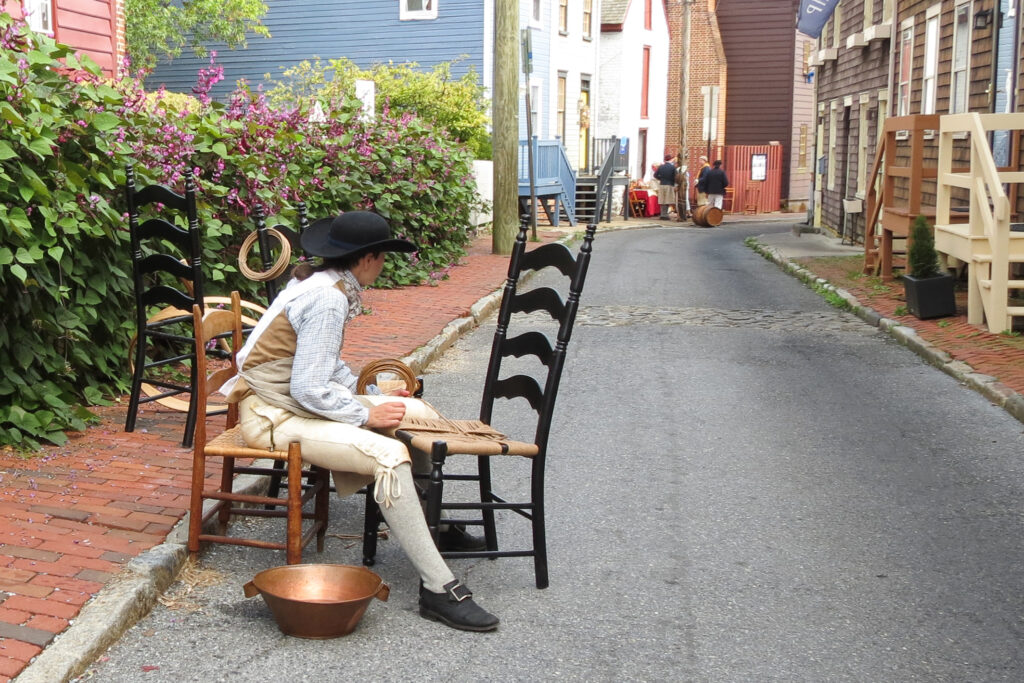
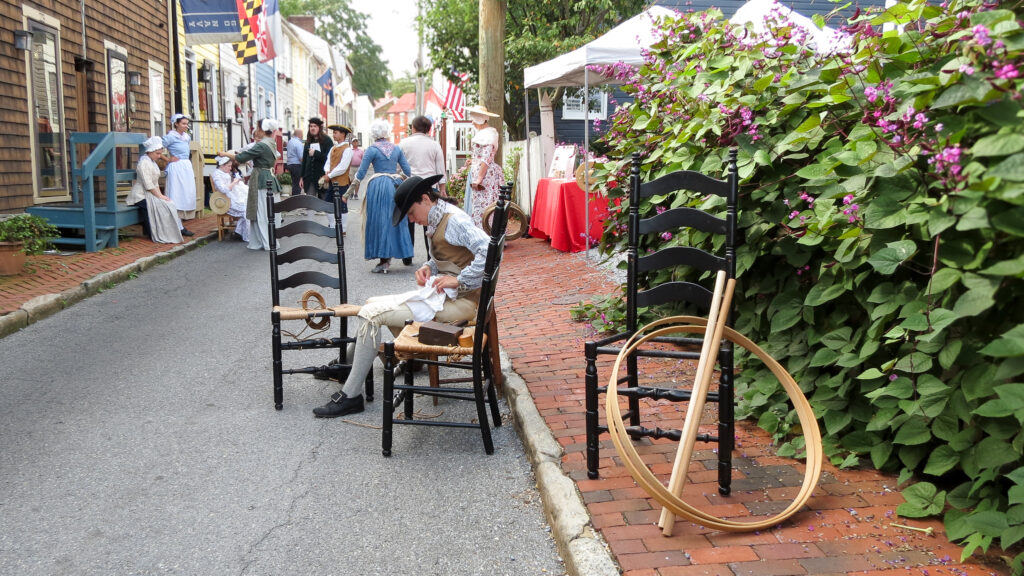
Further down Pinkney Street, the focus turned to domestic life. Outside the Shiplap House, a craftsman demonstrated the process of weaving a new rush seat for a chair, showcasing trades from the revolutionary period in Annapolis.
Local neighbors, portrayed by students from Washington College, gathered to share gossip and news. The 1774 burning of the Peggy Stuart (when Patriot outrage over a tea-laden merchant ship forced its owner to burn it) is still fueling the revolution in Annapolis.
Play and Household Life Amid the Revolution
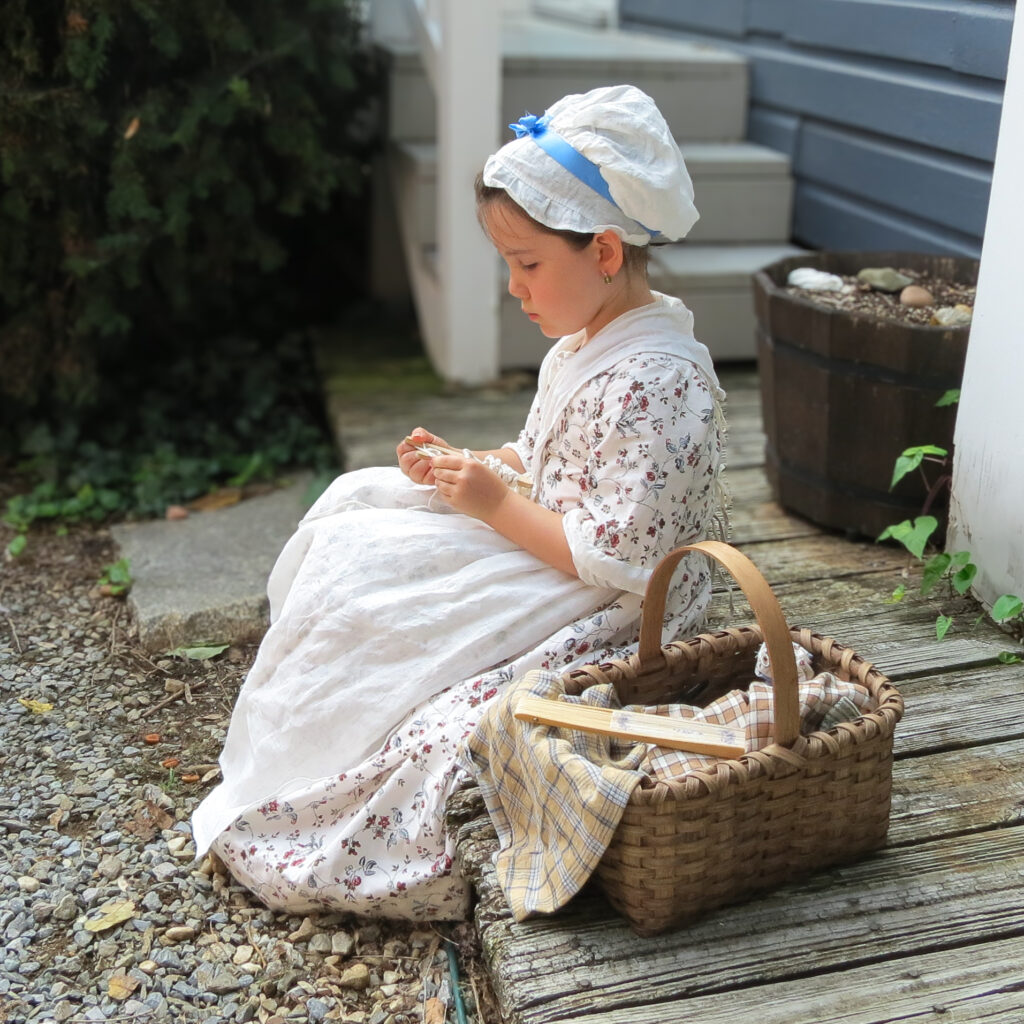
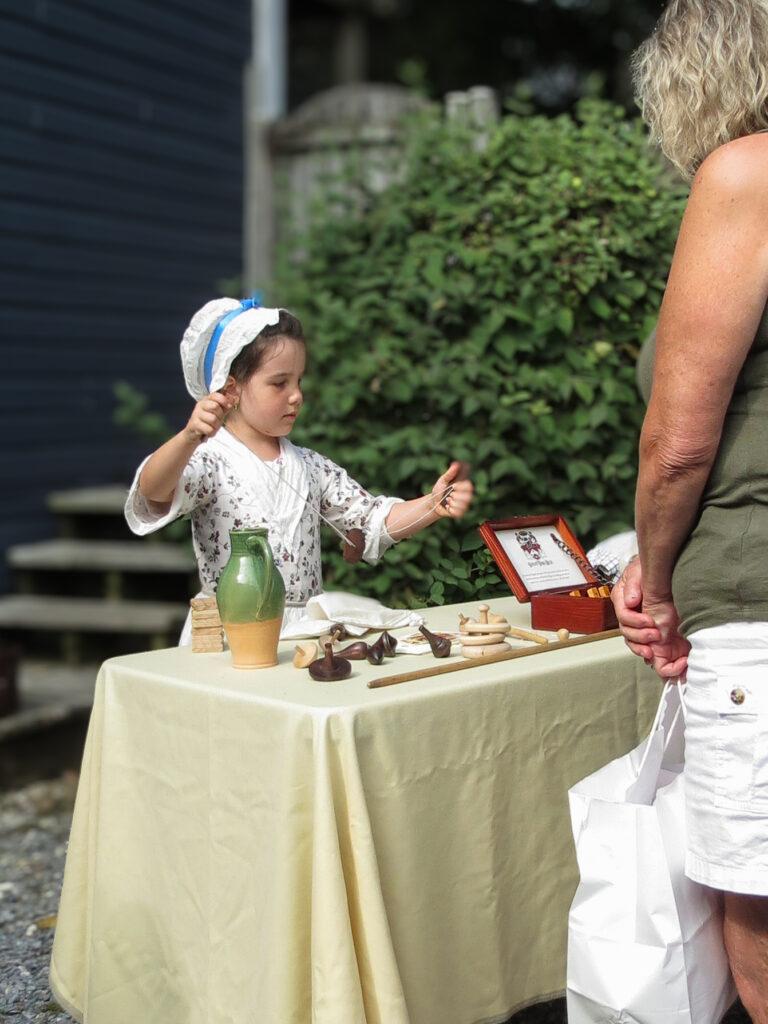
Nearby, children played traditional 18th-century games and made cornhusk dolls. The independence movement unfolded alongside the routines of ordinary Colonial Maryland households
Coffeehouse Debates in Revolutionary Annapolis
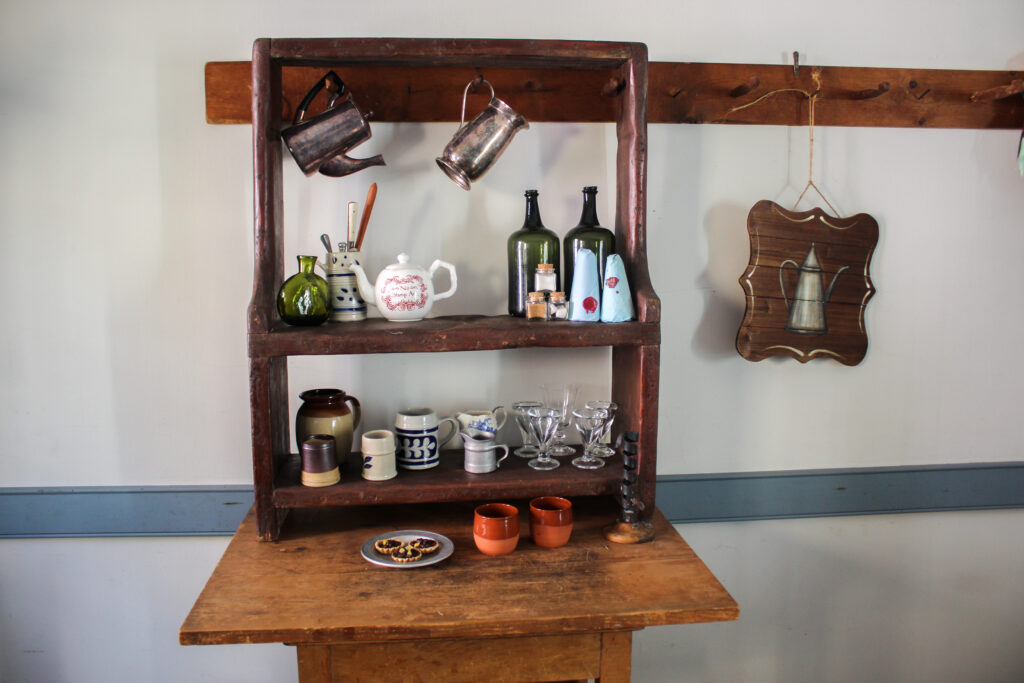
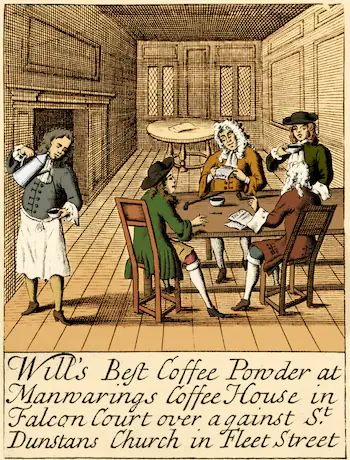
At the far end of Pickney Street, a coffeehouse took up residence in the Hogshead Trades Museum. Patrons discussed loyalty to Britain, the risks of independence, and speculation about the uncertain future in revolutionary Annapolis.
Exploring Revolutionary Annapolis
The event provided a brief glimpse into 18th-century Annapolis, revealing how ordinary life coexisted with the revolutionary events of 1775. Which aspect of Revolutionary Annapolis intrigues you most: sailors at the docks, tradespeople at work, or lively coffeehouse discussions?
(Also, check out how Annapolis’ “upper sort” lived during this era in my blog post on Mr. Paca’s Garden Party.)