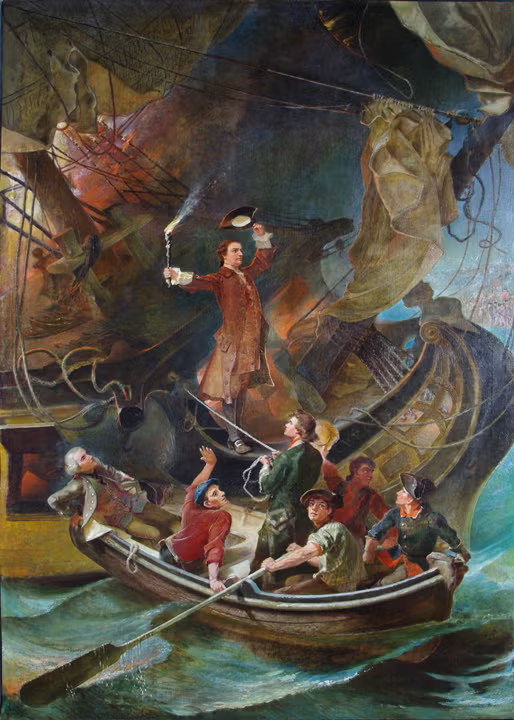
On October 19, 1774, the merchant ship Peggy Stewart was burned in Annapolis under pressure from local Patriots. Revolutionary Annapolis was a hub of political activity and debate. Peggy Stewart‘s cargo included tea that violated the colonies’ boycott of British goods. (The British East India Company held a monopoly on the colonies’ tea imports.) Rather than risk violence, the ship’s owner set his own vessel aflame.
In 2024, Historic Annapolis commemorated the 250th anniversary of this event with a living history program on historic Pinkney Street.
Work, Markets, and Margins of Revolutionary Annapolis
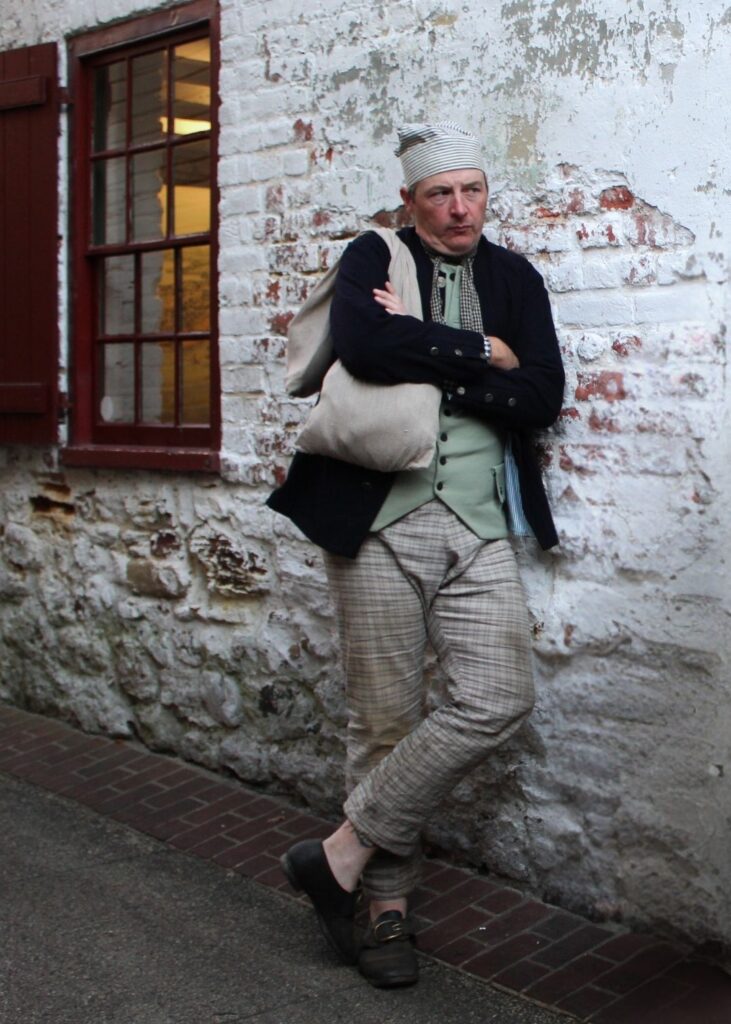
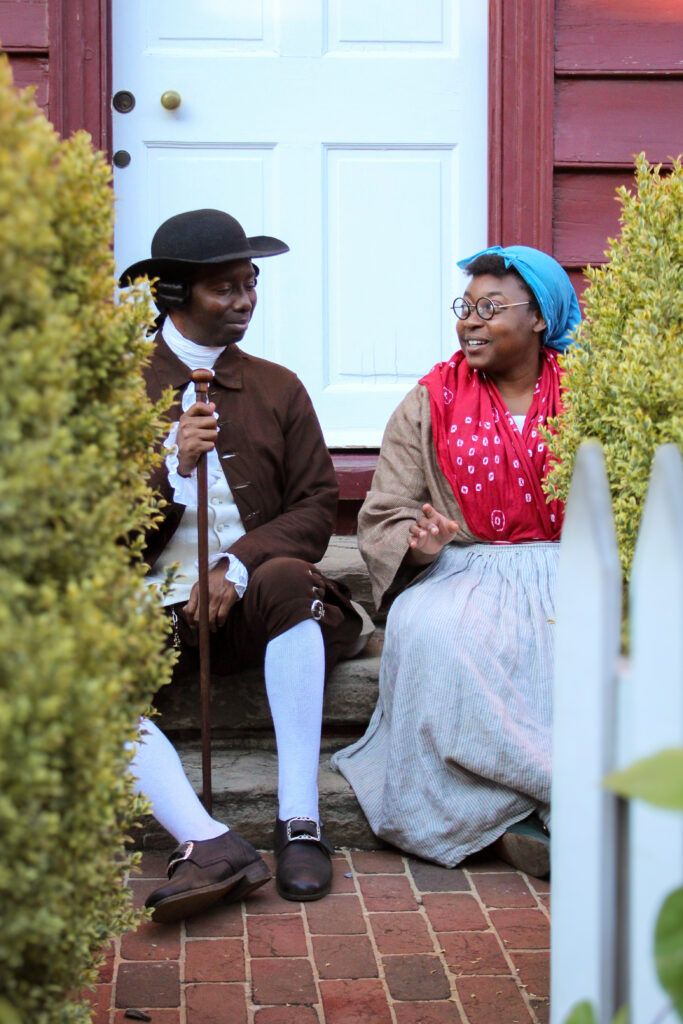
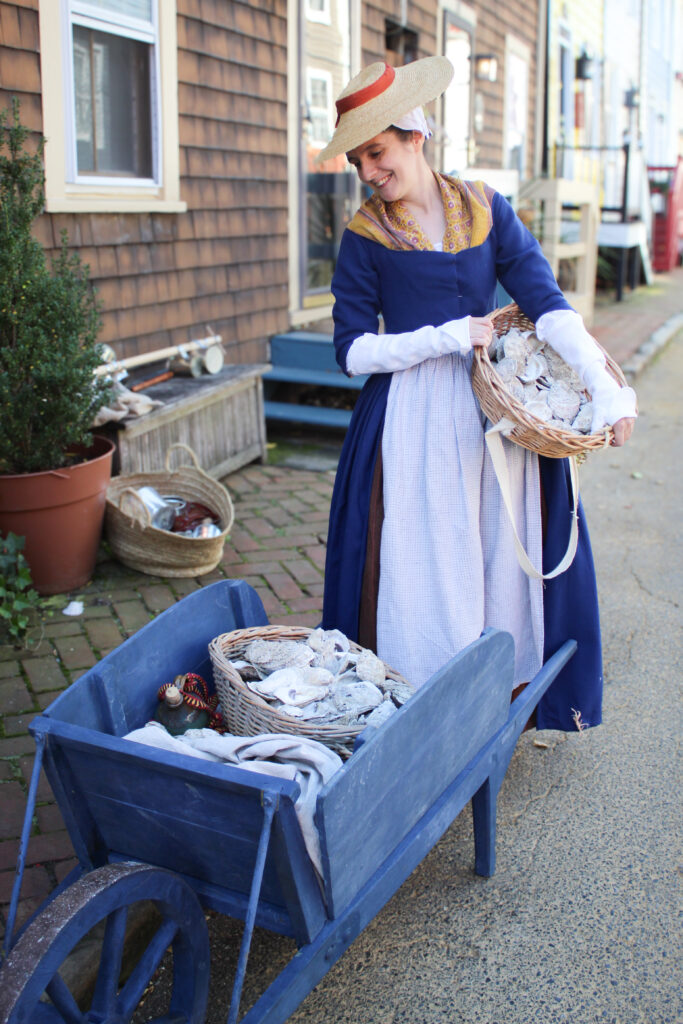
Reenactors highlighted the city’s diverse population, from sailors to artisans, women running households, and enslaved and free Black residents navigating an uncertain future. Street life in Revolutionary Annapolis was equally vibrant. Second-hand peddlers, unlicensed tavern keepers, and other working-class figures shaped the texture of daily life.
These figures remind us that the Revolution unfolded in crowded markets, noisy taverns, and along streets strewn with oyster shells.
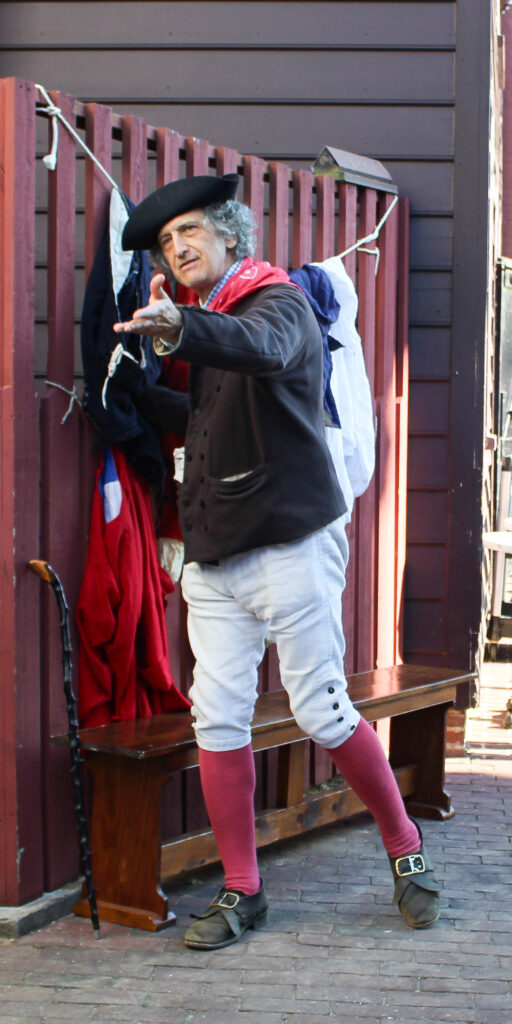
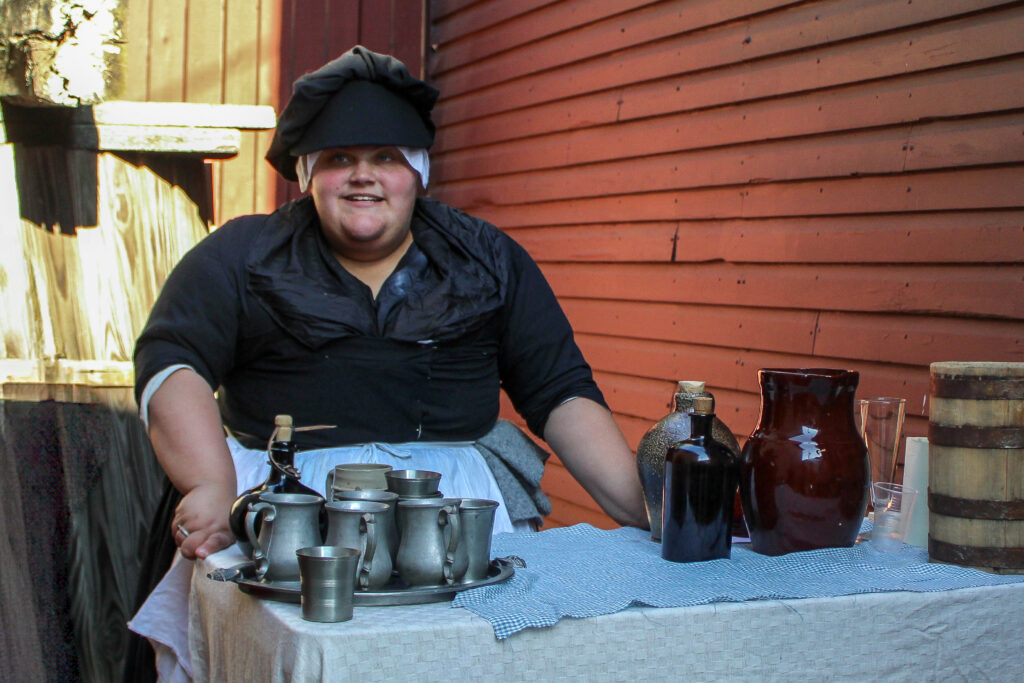
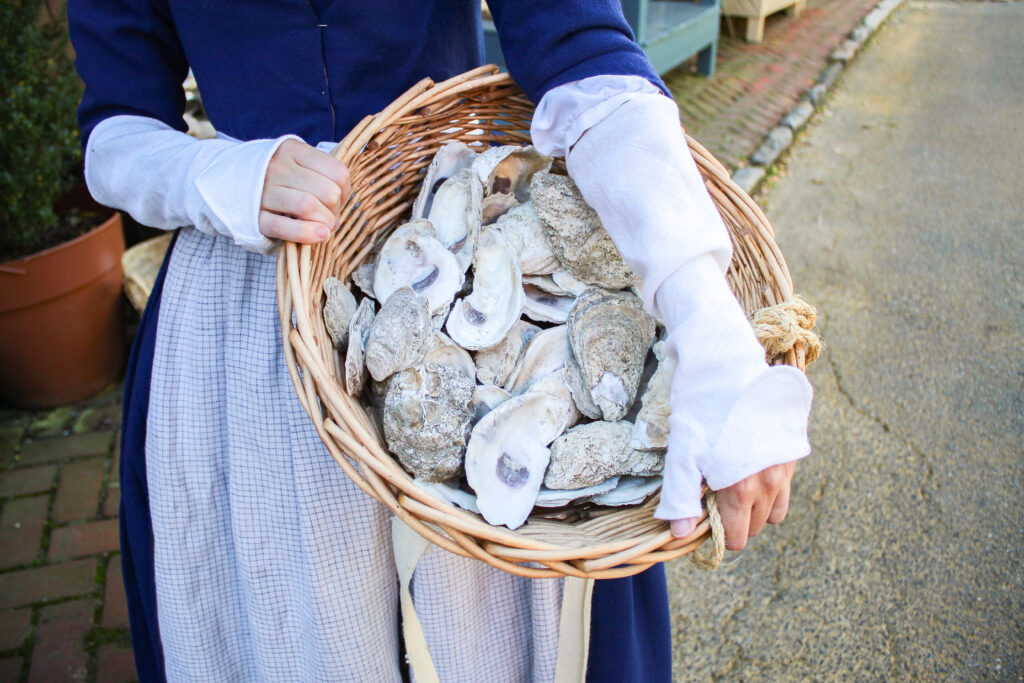
Annapolis’s Own Tea Party, 1774
The Burning of the Peggy Stewart remains a little-known episode of America’s path to independence. Boston’s more famous protest often overshadows it. One year prior, in December 1773, disguised Bostonians famously dumped chests of tea into the harbor. This moment linked Revolutionary Annapolis with Boston as a flashpoint in the escalating conflict that led to the American Revolution.
Did you know about Annapolis’ own “tea party”?
More of my photography from Historic Annapolis programs: