Confronting the Past
Most historic sites ask us to admire the past. Some ask us to learn from it. Whitney Plantation (Wallace, LA) asks us to confront it.
As I described in this blog post about Magnolia Hall in Natchez, I had long wanted to visit the Whitney Plantation because it is unique in many ways:
- an outdoor museum, consisting of more than a dozen buildings;
- which draws on the power of art to convey its message, replete with unforgettable sculptures (keep reading);
- whose sole purpose, according to its Mission Statement, is to “educate the public about the history and legacies of slavery in the United States”.
In fact, the Whitney is the only plantation museum in Louisiana dedicated exclusively to the history of slavery. Rather than centering the lives of the plantation owners, this outdoor museum tells the stories of the enslaved children, women, and men whose forced labor built Louisiana’s economy. The plantation produced sugar, indigo, and rice from 1752 to 1975.
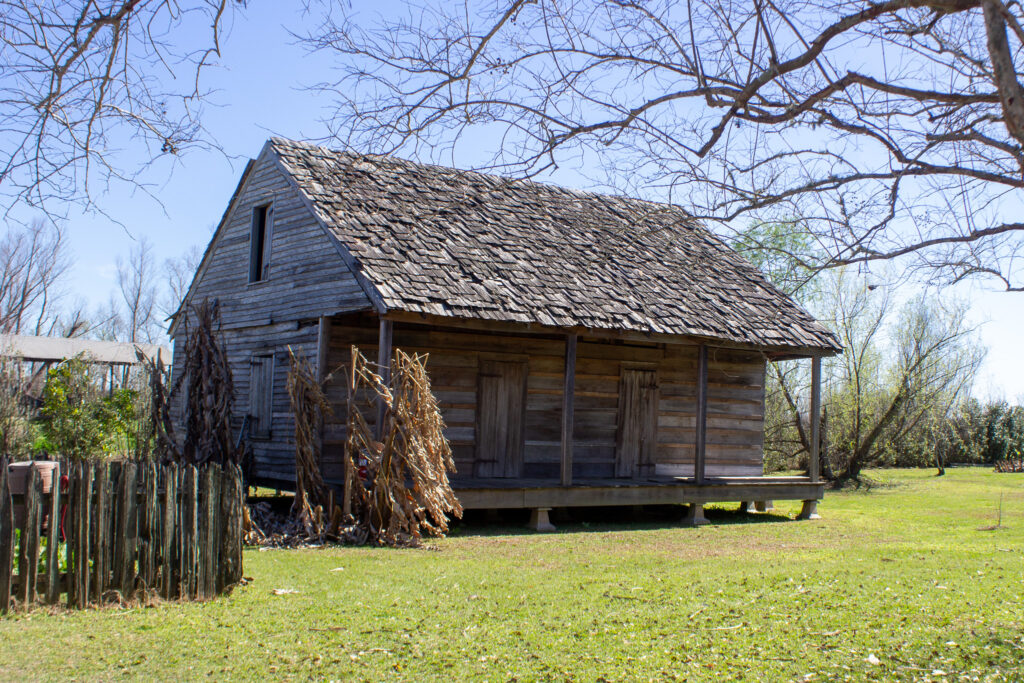
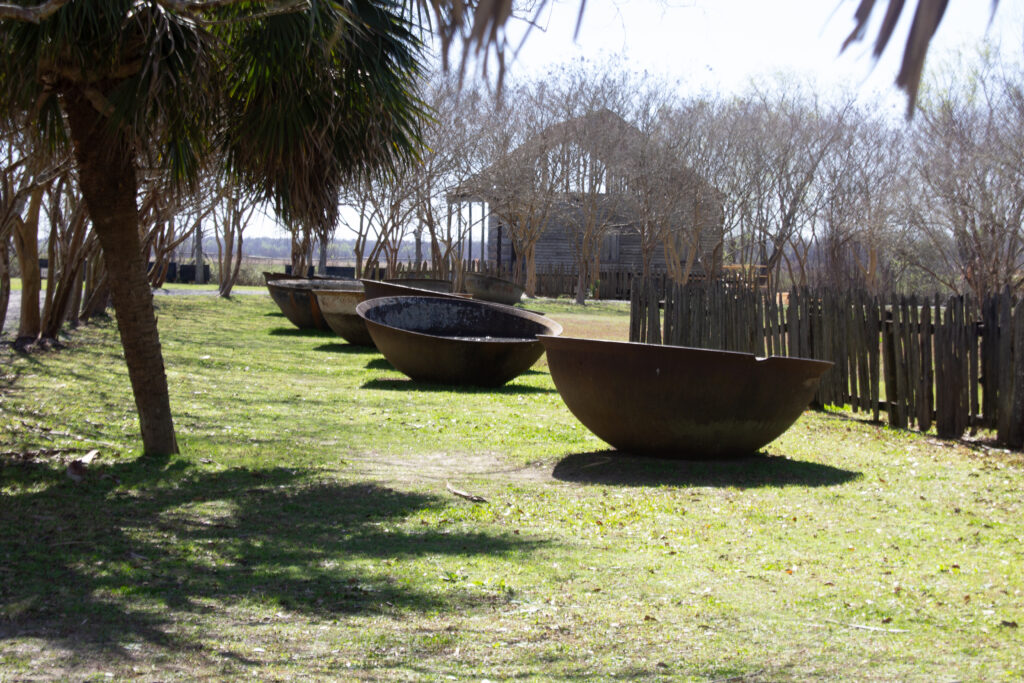
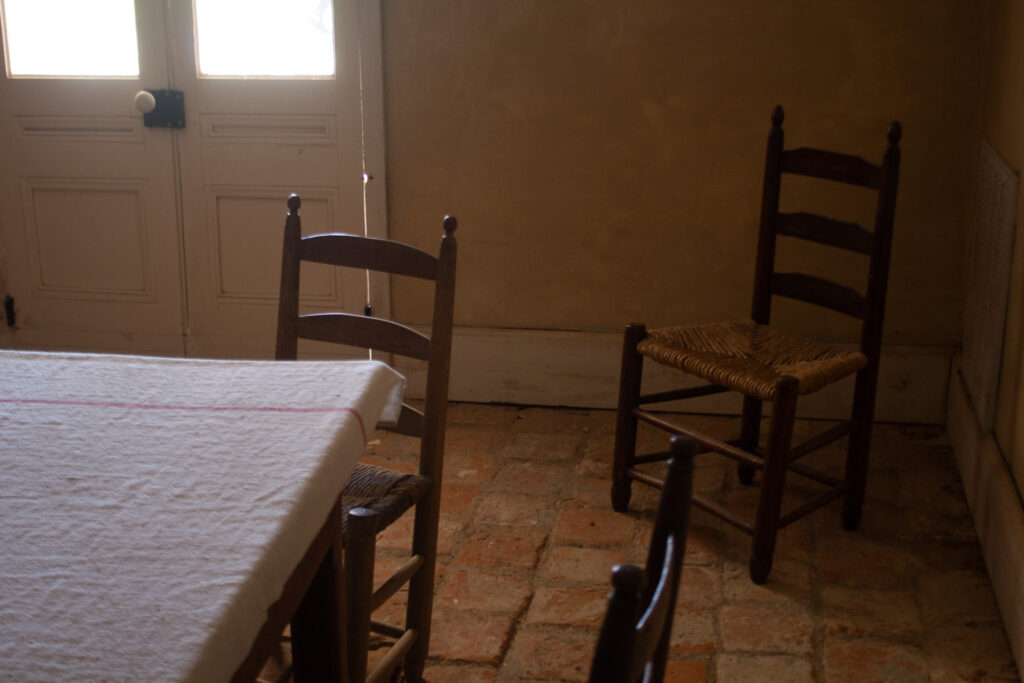
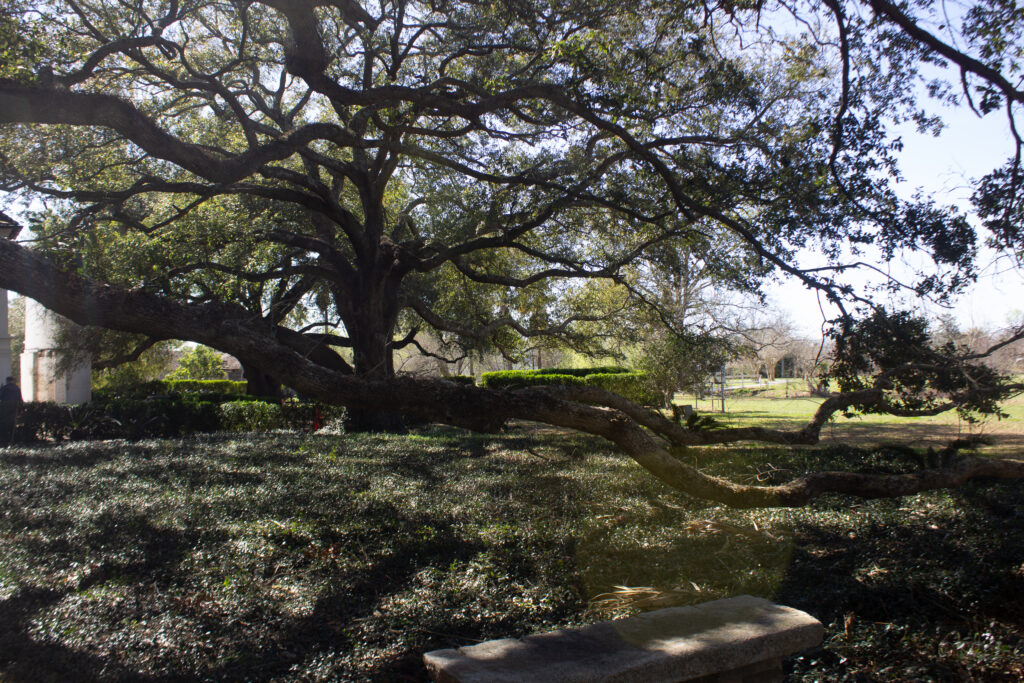
Another museum might have framed these objects as examples of agricultural or industrial history. After all, the massive cast-iron sugar-boiling kettles are impressive in scale. However, at Whitney they are inseparable from the labor that surrounded them. They show that sugar—once a luxury commodity and later an everyday staple—came at the cost of relentless, dangerous work. Enslaved people performed this work under brutal conditions.
Sculpture and Memory
In addition to the sixteen original outbuildings and slave dwellings, the Whitney features major sculptures and art installations on its grounds. Each piece ties to a larger story of labor, exploitation, resistance, and memory.
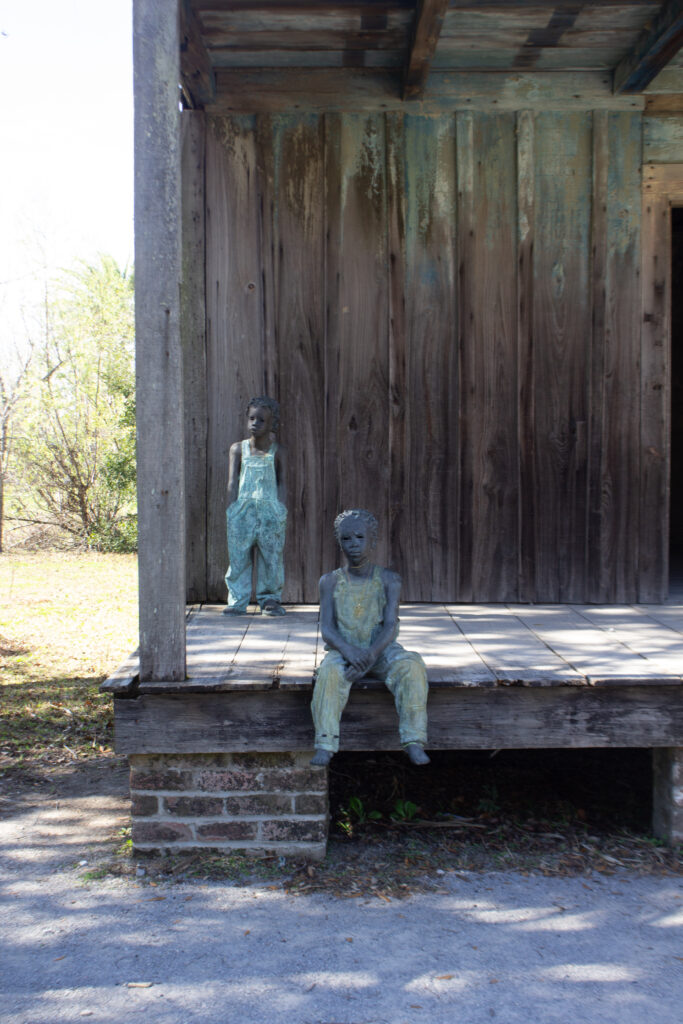
- Sculptor Woodrow Nash’s lifelike statues of enslaved children stand throughout the open-air museum. Each statue draws on the slave narratives recorded by the Federal Writers’ Project from 1936 to 1938.
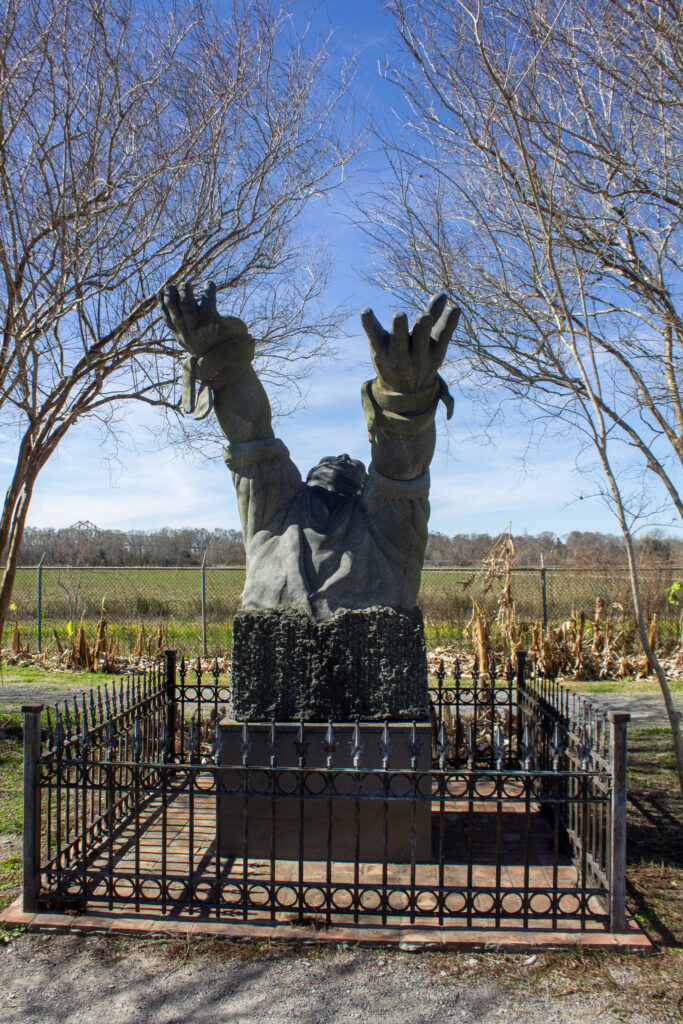
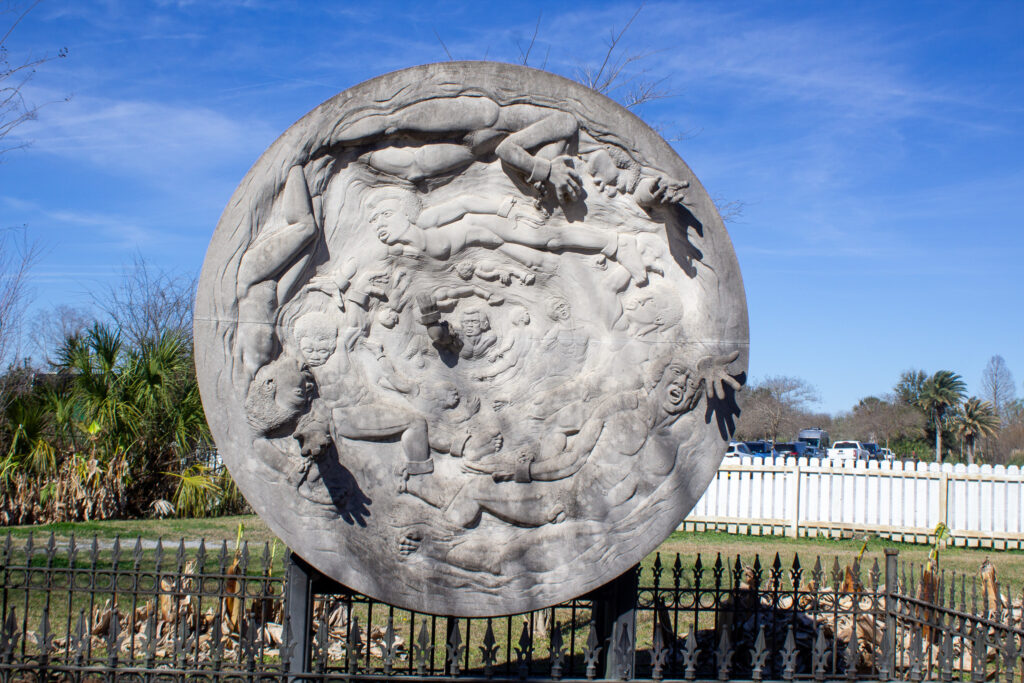
- Two large sculptures by Dr. Ken Smith, the “Middle Passage” statue and the “Hallelujah” statue, explore elements of the African diaspora experience.
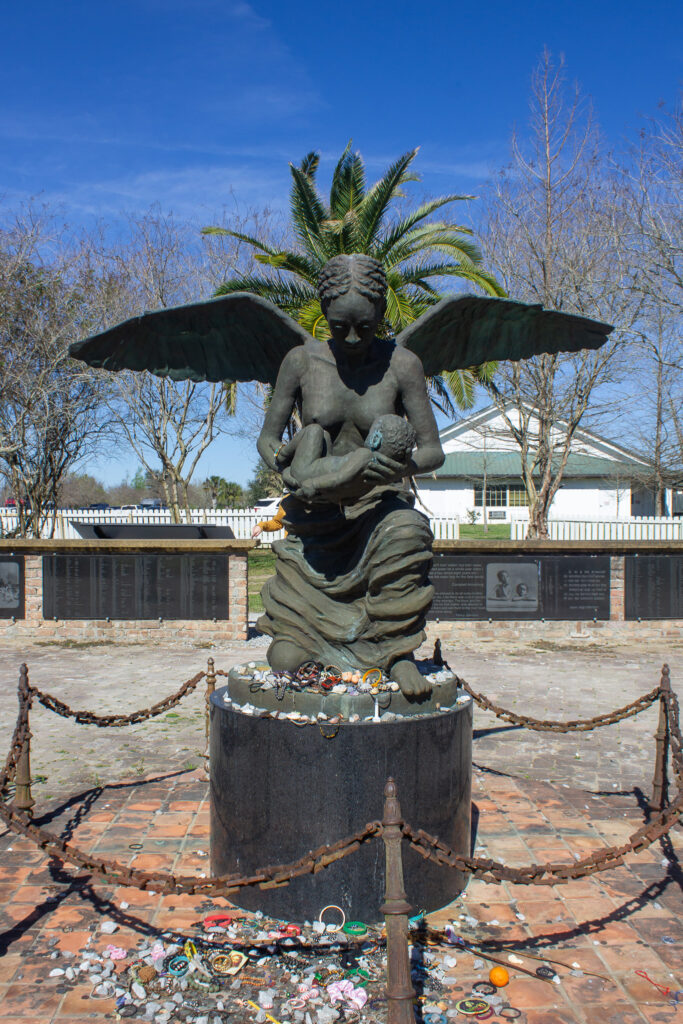
- Rod Moorhead’s “Coming Home” statue, a bronze angel holding an infant, kneels at the center of the Field of Angels memorial.
The Past Has Names
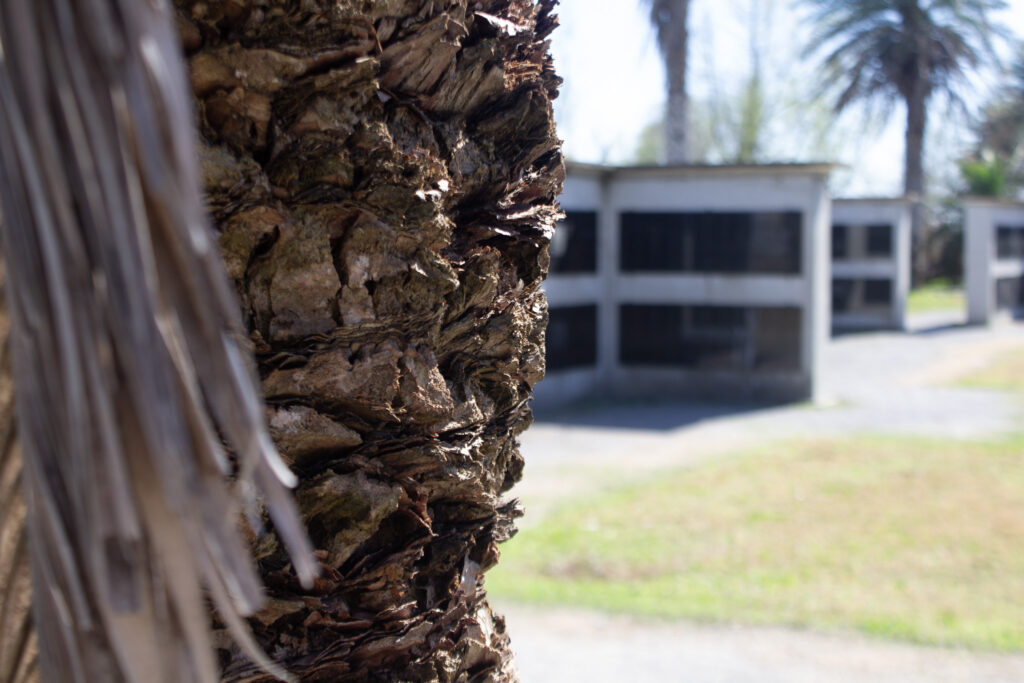
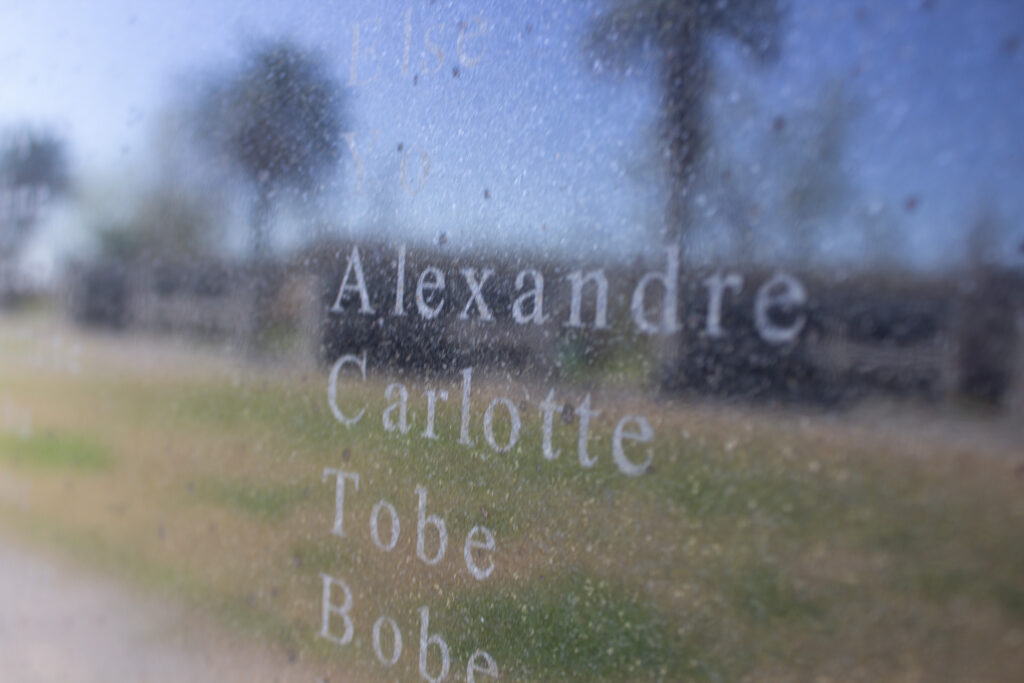
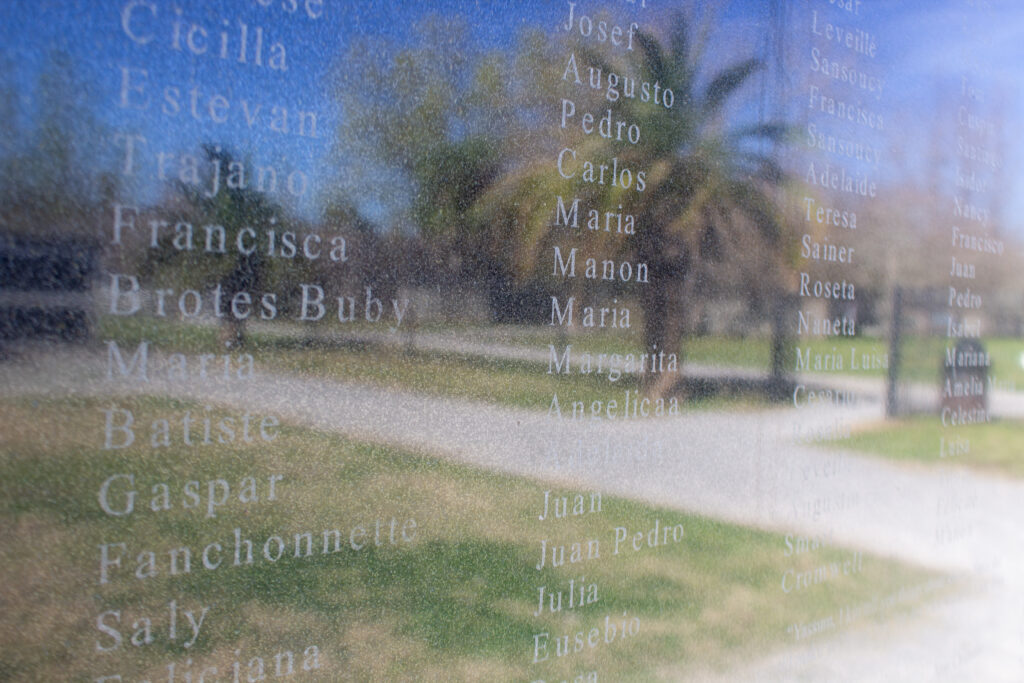
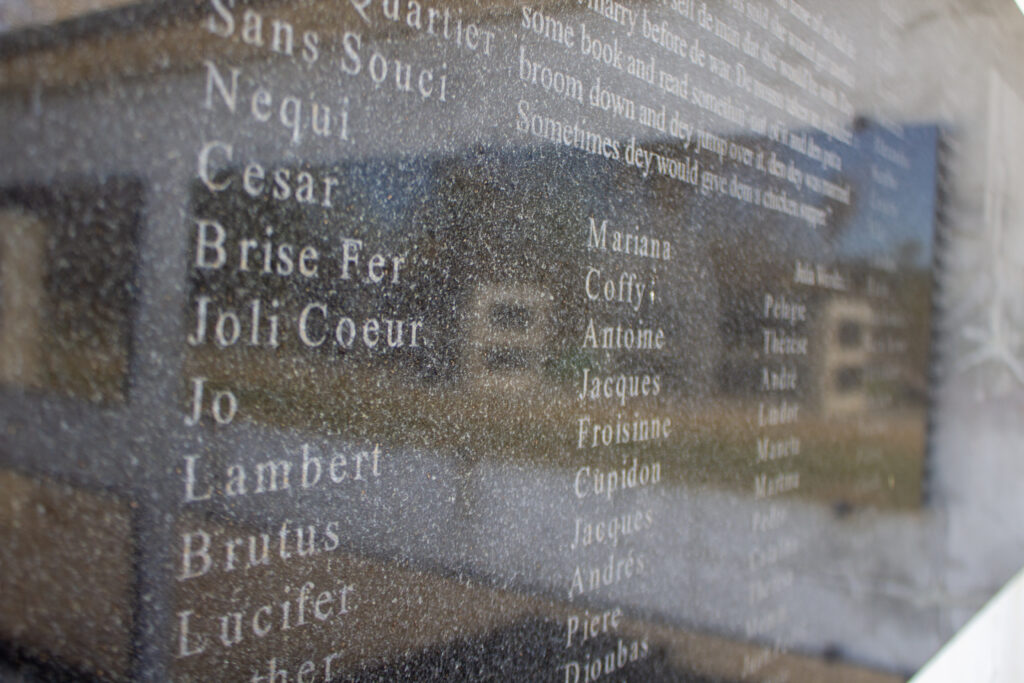
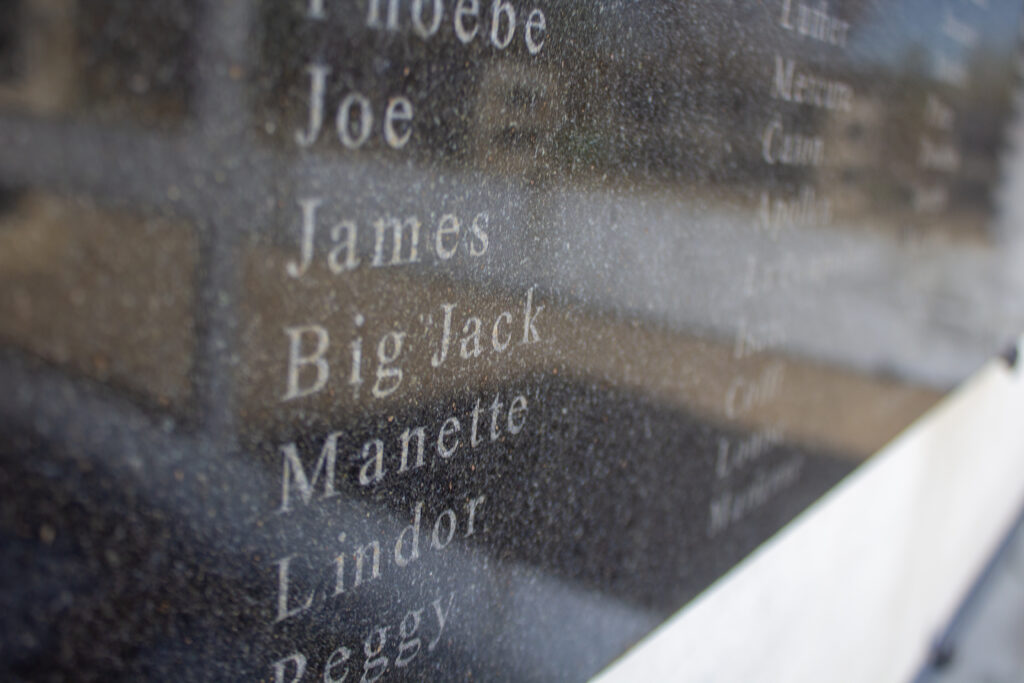
The memorials at the Whitney utilize primary sources to commemorate four different populations of enslaved people. Each name, engraved on black stone, gives the historical record physical presence.
- The Wall of Honor includes the names, places of origin, and dates of birth for those enslaved at the Whitney Plantation.
- Historian Gwendolyn Midlo Hall (1929–2022) created the Louisiana Slave Database to document the enslaved people who lived in Louisiana between 1719 and 1820. The Allées Gwendolyn Midlo Hall Memorial honors her work by displaying the names of 107,000 people documented in the database.
- The Field of Angels honors the 2,200 enslaved children (infants through age 2) who died in St. John the Baptist Parish from 1823 to 1863, recorded in the Sacramental Records of the Archdiocese of New Orleans. (Do a simple calculation on these indisputable facts: An average of 55 infants and toddlers died each year.)
Visceral History
One sculpture that solidified my intent to visit the Whitney was the 1811 German Coast Uprising Memorial. I had seen photos of the memorial and knew I needed to see it in person.
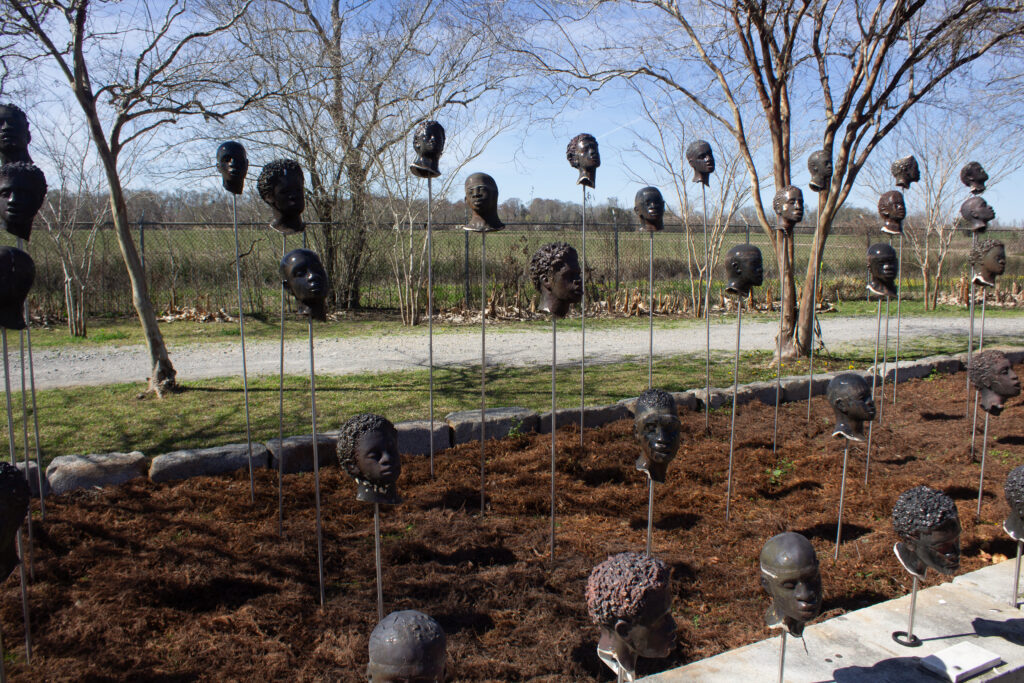
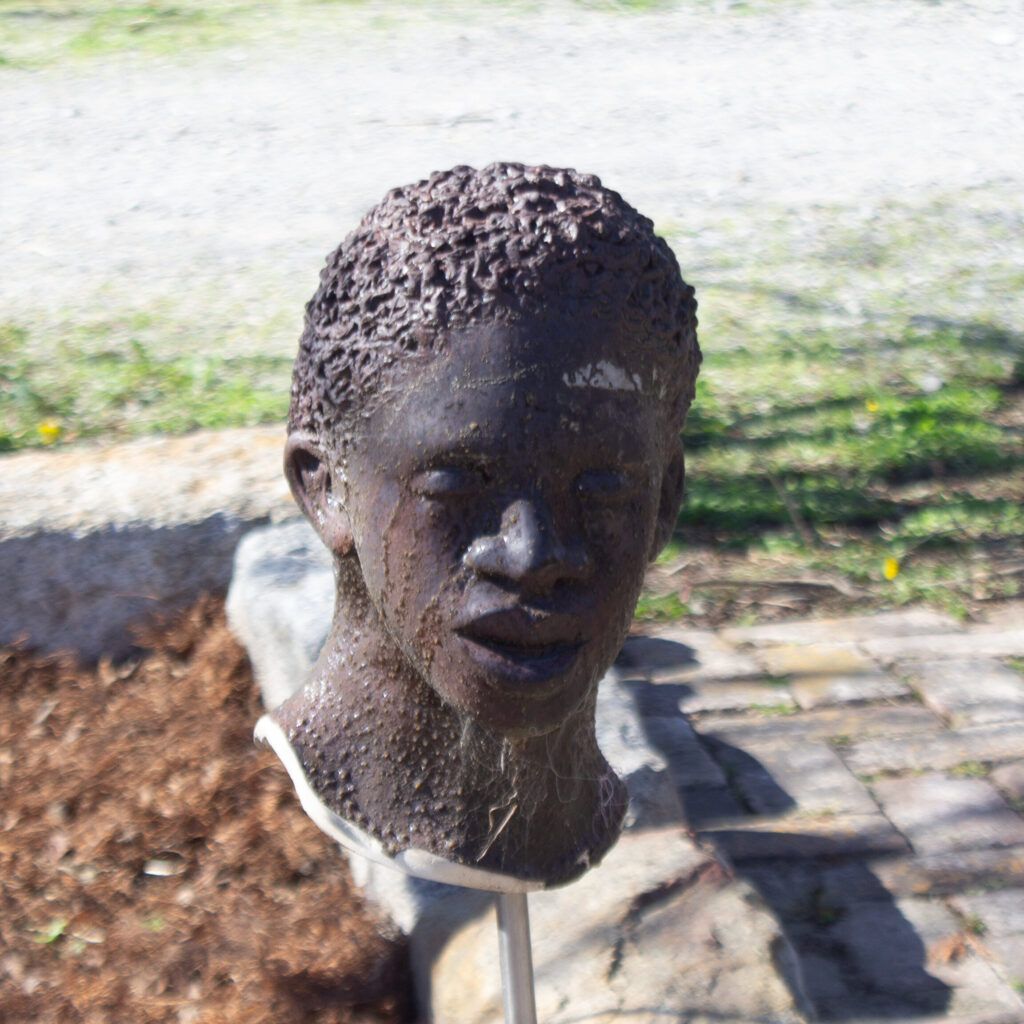
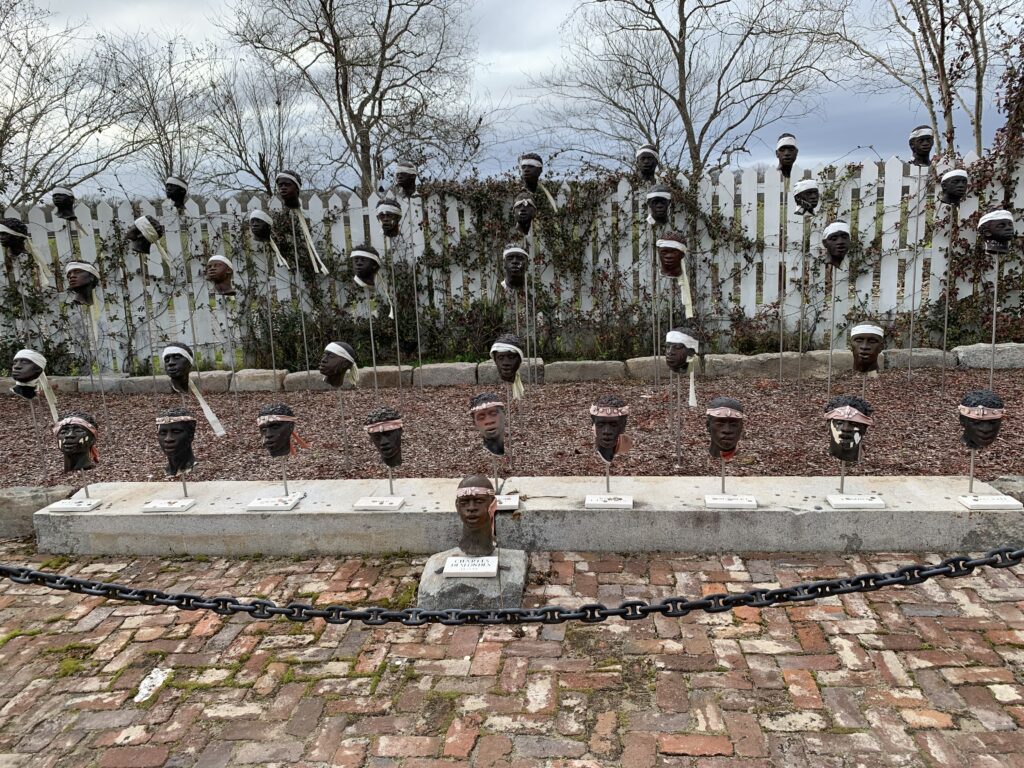
The German Coast Uprising Memorial offers a visceral, harrowing glimpse into the past. The sculptures represent the heads of those executed following the 1811 uprising, each mounted on a steel rod.
John Cummings, founder of the Whitney, commissioned the tribute to the little-known, largest slave revolt in the American South. Ceramic artist Woodrow Nash fabricated the 63 severed heads from ceramic and terracotta.
Led by Charles Deslondes, as many as 200 to 500 slaves joined the rebellion. They walked from St. Charles and St. John the Baptist parishes to New Orleans. A militia of around 80 white men gathered to suppress the so-called “banditti.” The militia killed 95 people who participated in the uprising, either during the fighting or through executions following the trials.
These objets d’art represent the terrorism imposed on the Black people of Louisiana. After executing the participants in the uprising, authorities displayed their severed heads and mutilated bodies along the levee’s River Road to the plantation district. This nearly quadrupled the number of heads displayed after the 1795 slave uprising, 16 years prior.
A History We Should All Know
Coming face to face with the sculptures commemorating those who participated in the 1811 German Coast uprising was one of the most visceral moments of my visit to Whitney Plantation. The rows of sculpted heads are difficult to look at: that is, in part, the point. They ask visitors to confront people who were enslaved not as an abstract population, but as individuals who resisted the system that held them captive. Those individuals were then brutally murdered, and their corpses defiled, by the dominant society when they threatened that status quo.
I left the memorial with a sense of grief that was both personal and historical. I consider myself an avid student of history, particularly of the eighteenth and nineteenth centuries, yet I had never learned about the 1811 uprising. That realization stayed with me. How many other stories of resistance have been left outside the histories we were taught?
Whitney Plantation does not allow visitors to walk away with an uncomplicated picture of the antebellum South. Its memorials, buildings, landscapes, and interpretation insist that the history of slavery remain visible and specific. For anyone interested in American history, the Whitney is more than a historic site. It is a place to reckon with what we know, what we have forgotten, and whose stories have been left out. It is, quite simply, somewhere everyone should visit.