Amplifying the Voices Symposium
As part of our “Harriet Tubman Pilgrimage,” my mother and I gathered intel from the Visitor Center at Sailwinds Park in Cambridge, MD. We also spotted a flyer for a symposium for public history professionals committed to recognizing “the humanity, agency, and contributions of historically marginalized people.”
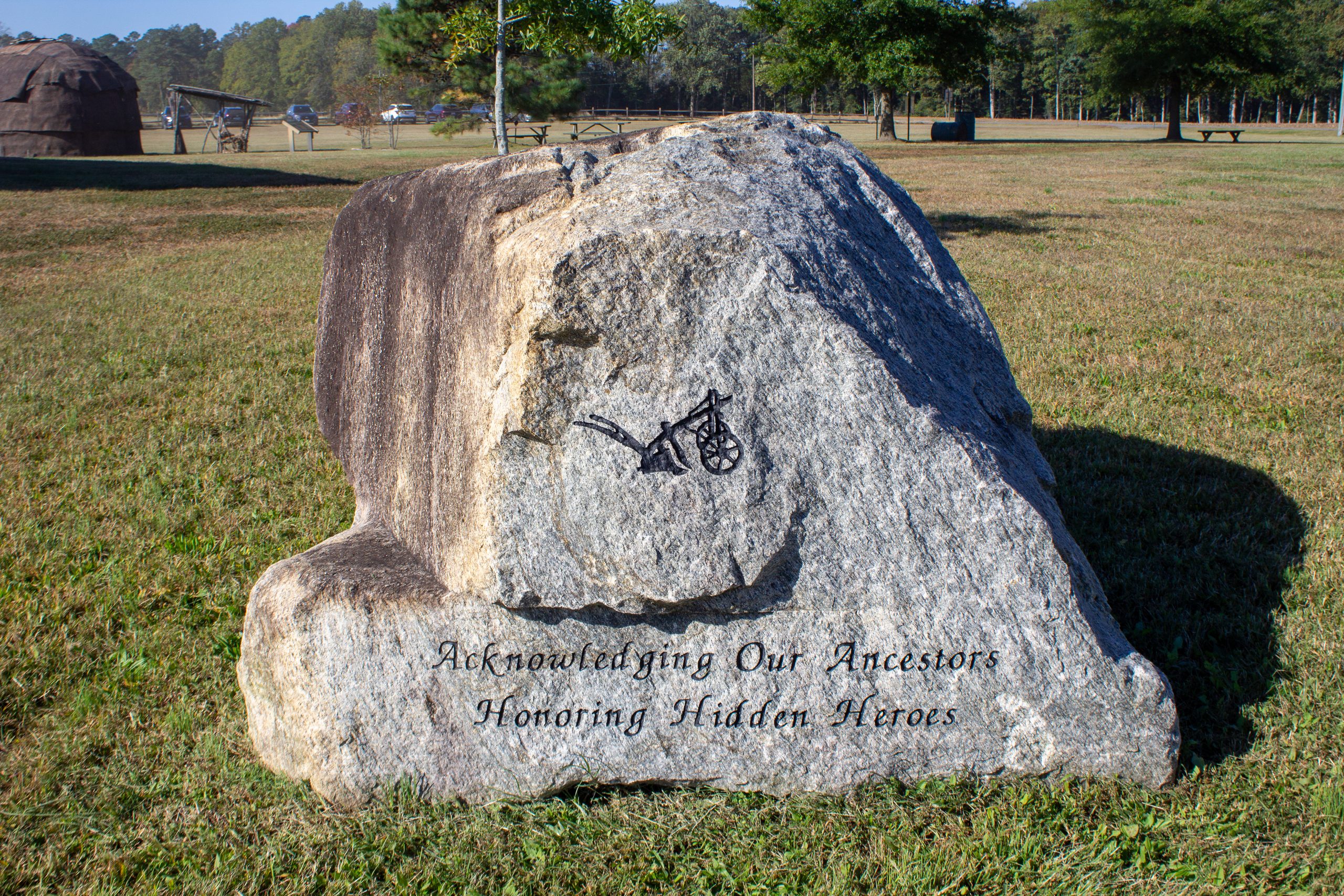
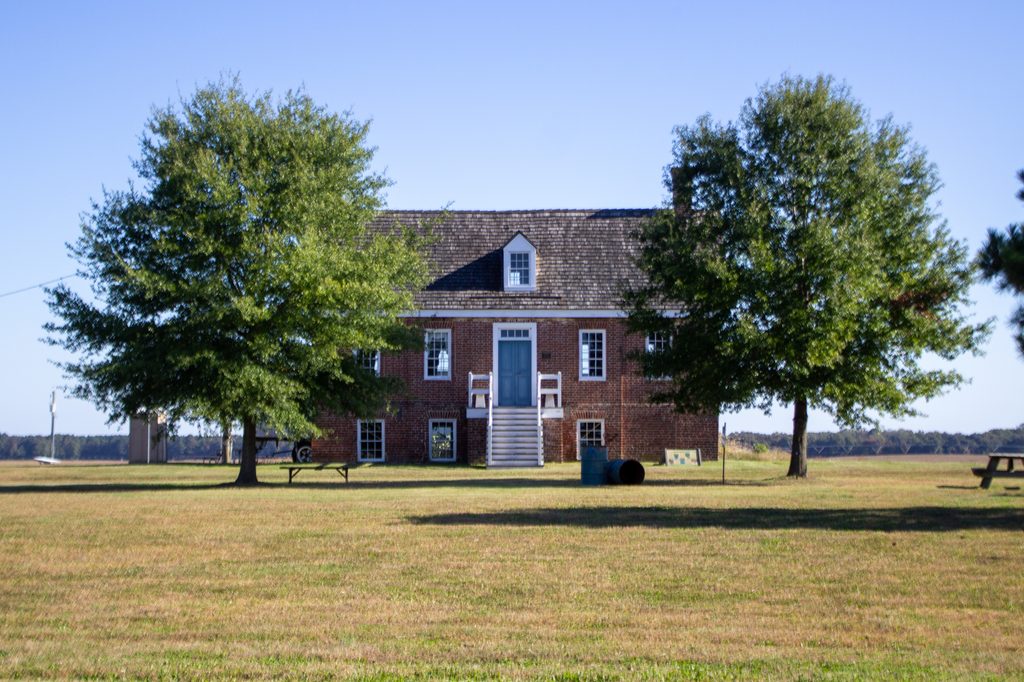
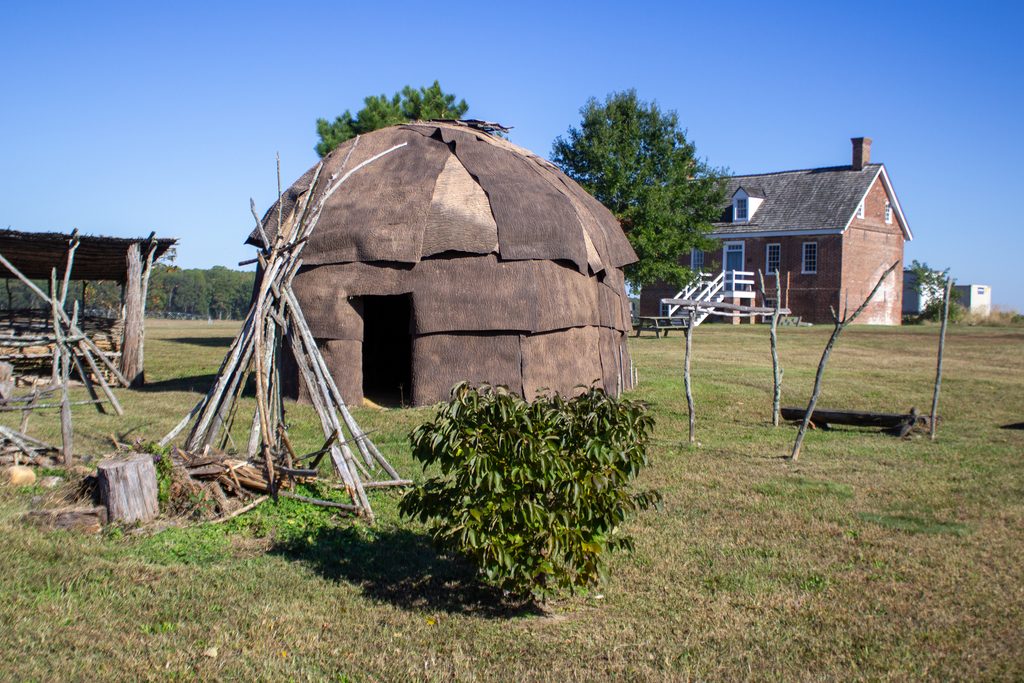
The Amplifying the Voices Symposium would take place at the Nanticoke Historic Preservation Alliance’s (NHPA) new Three Cultures Center at Historic Handsell. We had never heard of the site. However, Friday (Day Two) was open to the public, so we decided to see what we could.
After seeing the Harriet Tubman Underground Railroad State Park and Visitor Center and other sights around Cambridge on Thursday, we spent the night in Ocean City.
On our way home on Friday, after an early morning foray to Assateague to look for wild ponies, we made our way to Handsell. The parking lot was full, but not a soul was wandering about. We peeked in the windows of a newly constructed barn and saw about two dozen people seated around tables. When we dared to crack open the door, they welcomed us warmly. They encouraged us to join them.
Distinguished Public Historians
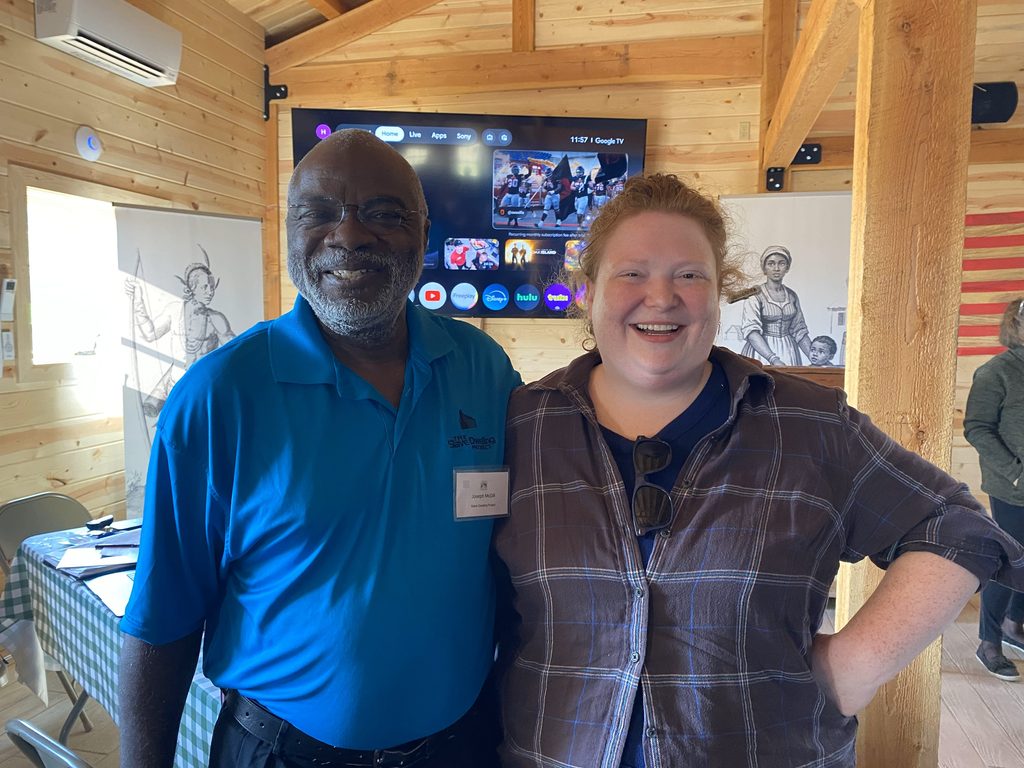
A presentation was about to begin, so we scooted into the only open seats—at the front table. The two men sitting there smiled. We had lucked into sitting directly next to one of my favorite historians, Joseph McGill Jr.
McGill is the founder of the Slave Dwelling Project, which raises awareness of the not-glamorous, often-neglected or ignored buildings that housed enslaved individuals. Next to him was another living-historian-celebrity, Dontavius Williams.
I first encountered Williams’ work, The Chronicles of Adam, through Cheyney McKnight’s YouTube series, A Day in the Life of an Enslaved Cook. Having followed both of them on social media for some time, I was a little star-struck to meet them in person. I admire their work tremendously, and the opportunity to connect with them was a real highlight.
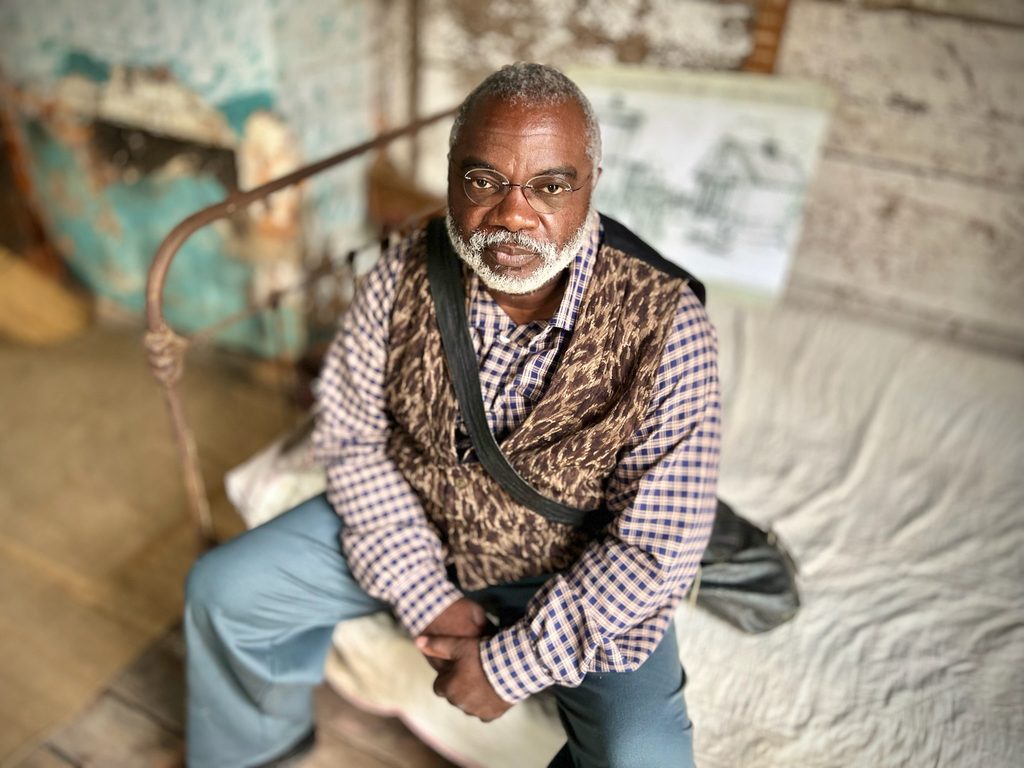
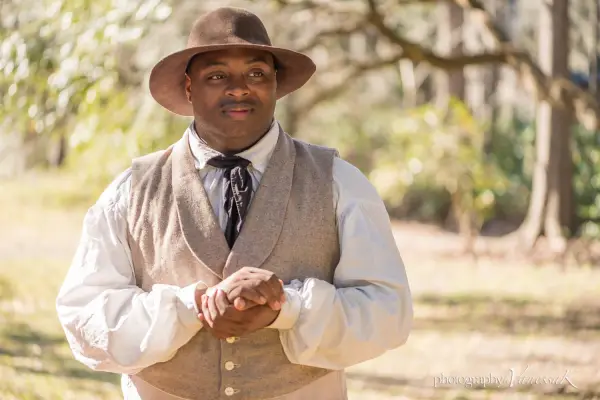
We were lucky to catch two presentations, one by McGill and the other by Adam Goodheart, director of the Starr Center, housed in the “Custom House” in Chestertown, MD.
The Custom House’s Dungeon
Despite its name, Chestertown’s historic Custom House was not actually a Customs House. The stately red-brick building was a private residence standing beside the Custom House.
Chestertown, Maryland, is a port and received ships and their cargo. Owner Thomas Ringgold and his wife were a wealthy family, active in the fight against British taxation. In American history, they are “patriots” and fighters for freedom and liberty. They were also slave-owners, which is not surprising.
The Custom House now holds Washington College’s Starr Center for the Study of the American Experience. Goodheart’s talk focused on a cellar room that oral history described as the Custom House’s “dungeon.” Earlier interpretations suggested it was used for “storage.”
However, as the building was excavated and the history reinterpreted, it became clear that the cellar room was not used simply for “storage.” This large room was built of brick, with an arched ceiling and windows that opened to the outside. One window retained its original metal bars. The commodity stored in this room was most likely human cargo — captured Africans who had just endured the Middle Passage.
Ringgold’s Legacy
The 1760 excerpt pictured below is from the Maryland Gazette. It advertises slaves brought through Chestertown and sold by Ringgold and his associate, Samuel Galloway. The Starr Center digitized it as part of Chesapeake Heartland: An African American Humanities Project.
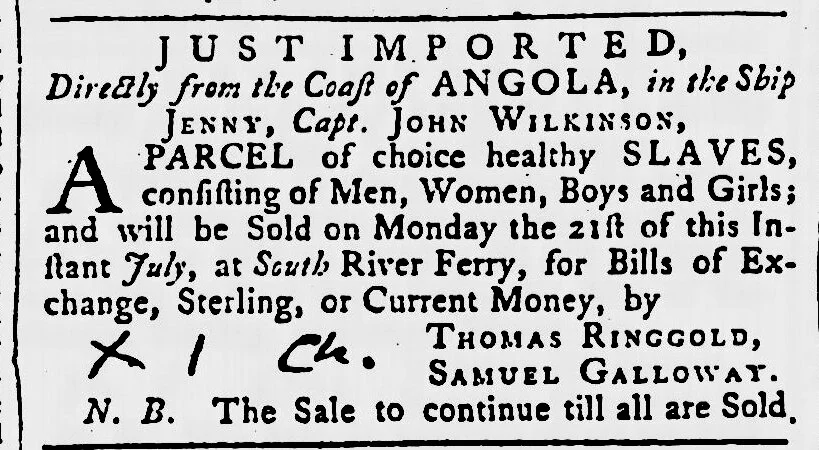
In his 2005 American Scholar article, “Tea and Fantasy,” Goodheart elaborates on Ringgold’s first-hand dealings in the life and death of captured Africans:
In a 1761 letter, Ringgold noted with cold calculation that aboard one of his ships, which had left the Slave Coast with 320 men, women, and children, conditions in the Middle Passage had been so bad that by the time the vessel arrived in the Chesapeake, “we had but 105 left alive to sell, 11 of them so bad we were glad to get 11 pounds per Head for them.”
Goodheart’s unflinching presentation of the Custom House’s history makes the cellar room’s identification seem obvious. However, the reality of the “dungeon” had escaped Occam’s Razor in previous interpretations. The house and its hold for human cargo highlights that the heavy legacy of slavery extends beyond the Deep South and, without the clear-eyed work of public historians, can be euphemized into a palatable “storage room.”
Divided Loyalty with Joseph McGill, Jr.
Joseph McGill Jr.’s new book on revolutionary-era South Carolina continues the theme of examining complex histories.
The forthcoming book with Herb Frazier, Divided Loyalty: Uneven Paths to Freedom in South Carolina during the Revolutionary War, challenges the straightforward story of American independence. Instead, it examines the experiences of people of color. Their lives and choices shaped and were shaped by the struggle for independence.
Final Thoughts
It was a real pleasure to stumble across such thoughtful scholarship, discover the exciting work coming out of the Starr Center at Washington College, and meet some of my own public history heroes in person. The symposium offered a wonderful opportunity to connect with people whose work I have long admired. I saw firsthand the creativity, rigor, and dedication shaping the interpretation of complex histories.