The Convention Army and Crockett’s Western Battalion
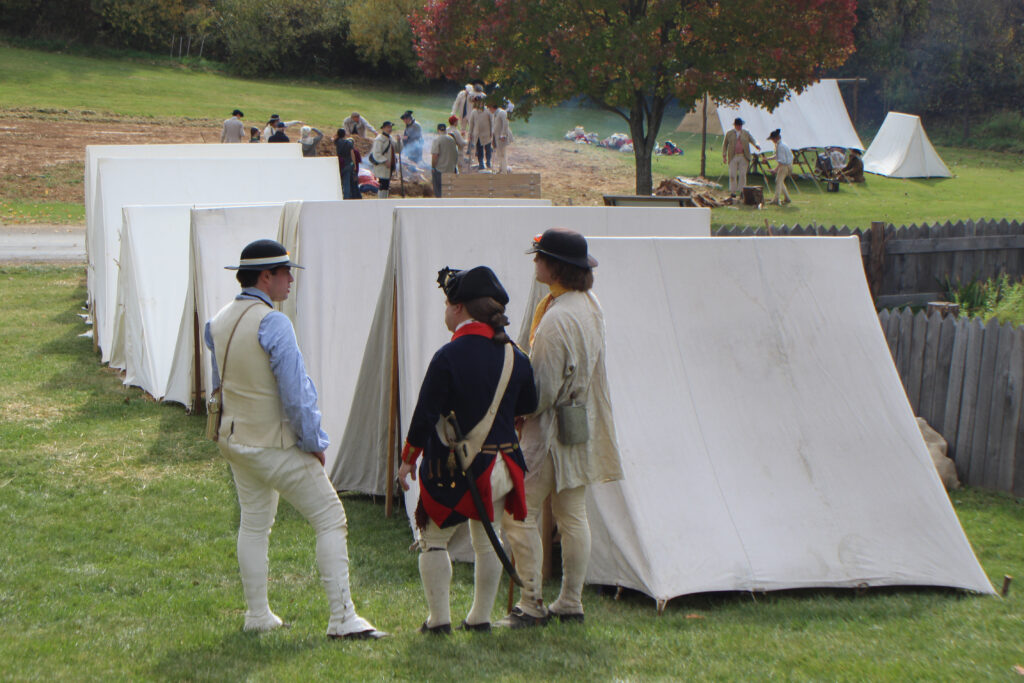
1780 — During the later years of the American Revolution, western Virginia became an unlikely home to the so-called Convention Army: thousands of British and German prisoners of war. The name “Convention Army” refers to the terms of surrender agreed upon after the pivotal American victory at the Battle of Saratoga in 1777. Marched south to prevent their escape or rescue, these prisoners faced a harsh and uncertain existence. Virginia raised Crockett’s Western Battalion as an independent frontier unit. Their task was to guard the prisoners and maintain military discipline among both soldiers and civilians. Daily life in the camps was often difficult, marked by shortages of food, rudimentary shelter, and occasional tensions between the captives and the local population.
Women of the American Revolution
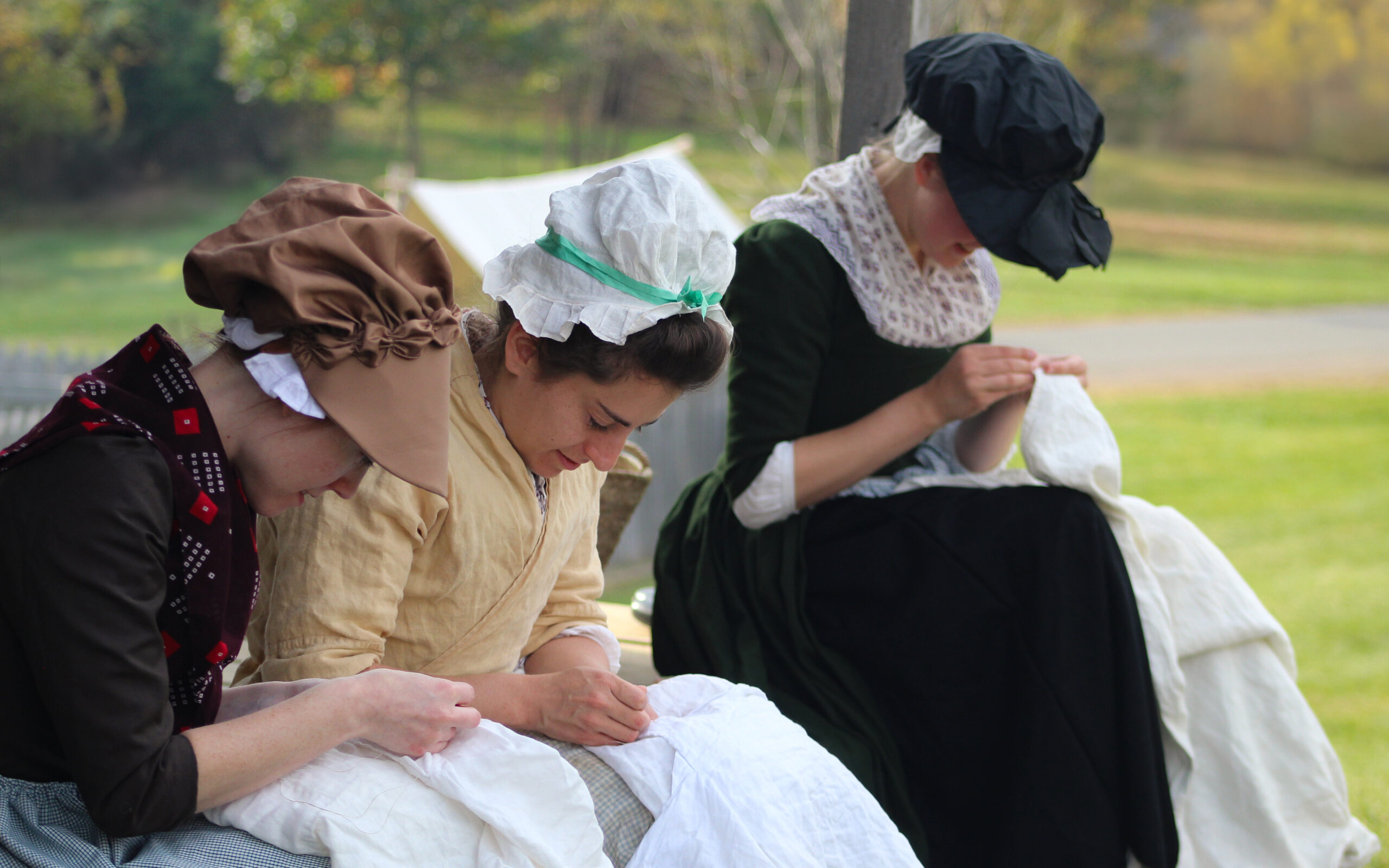
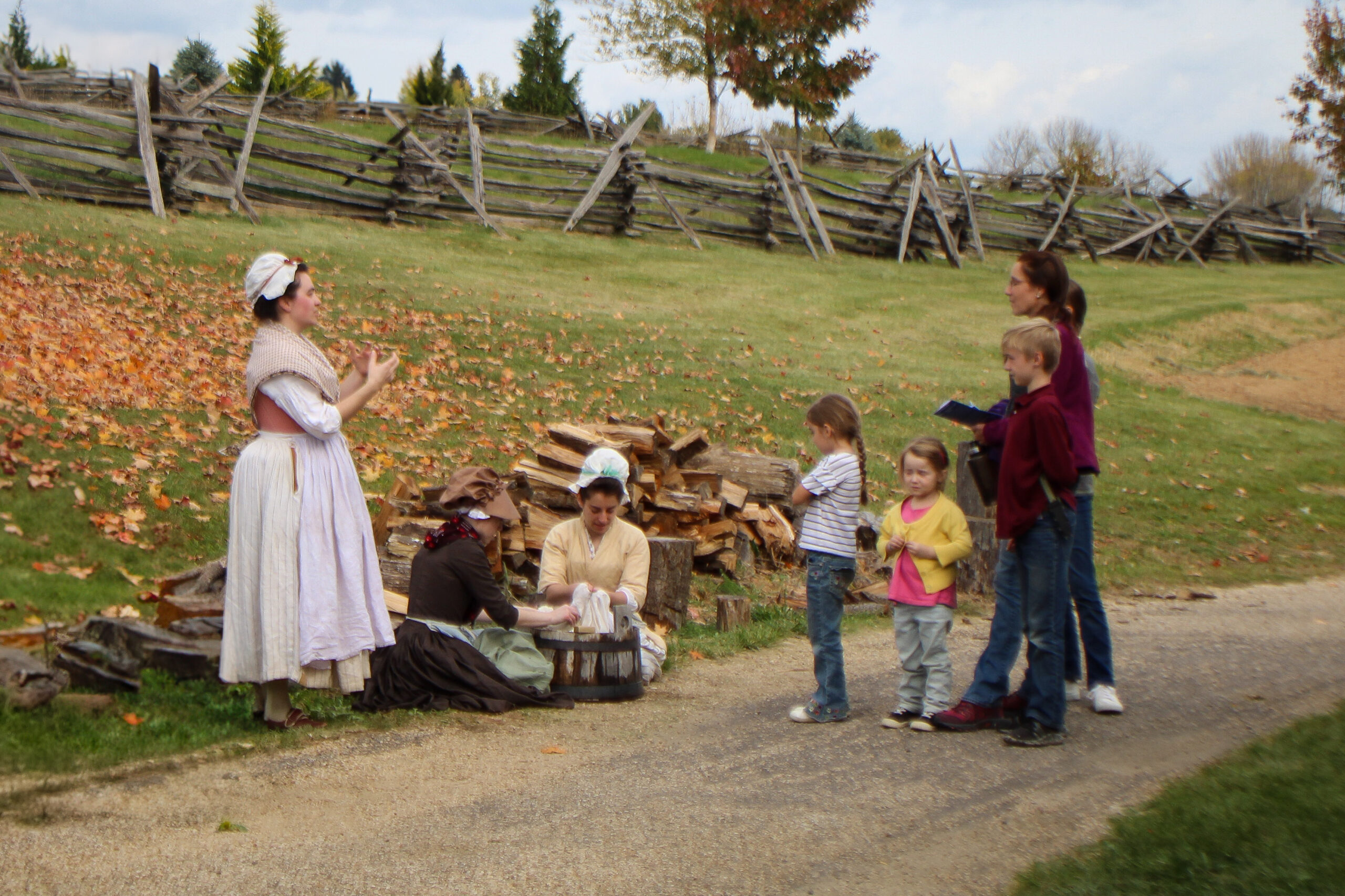
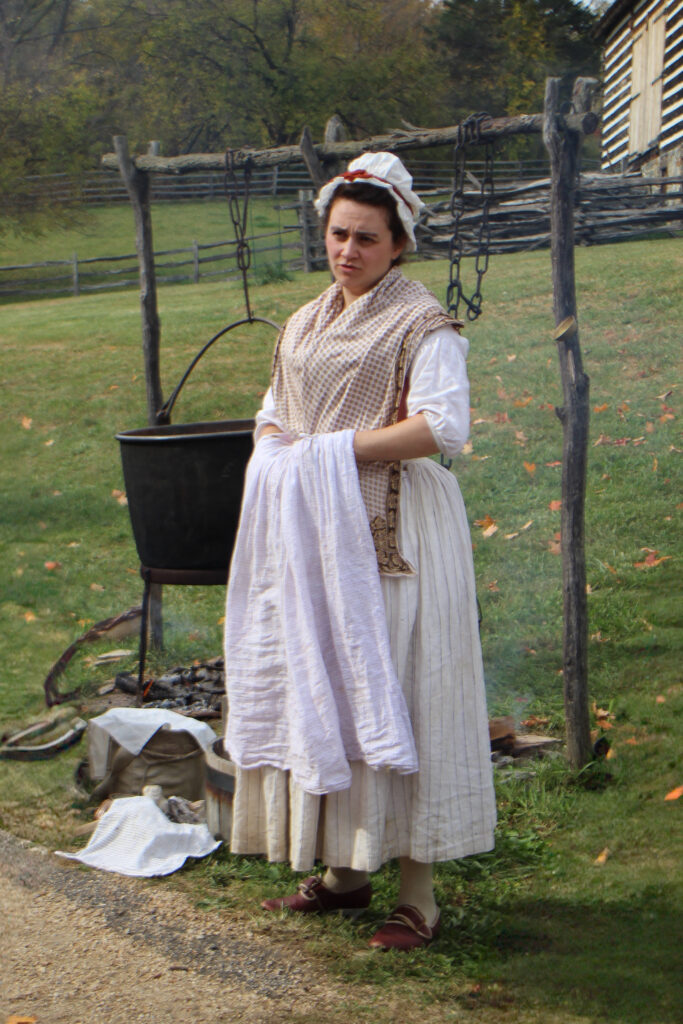
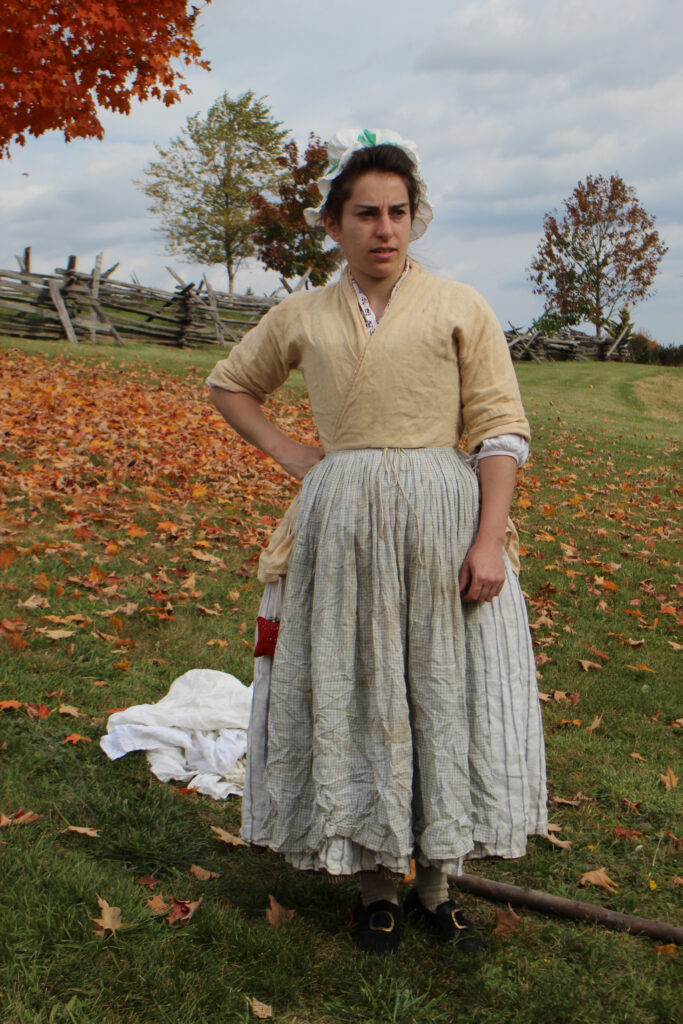
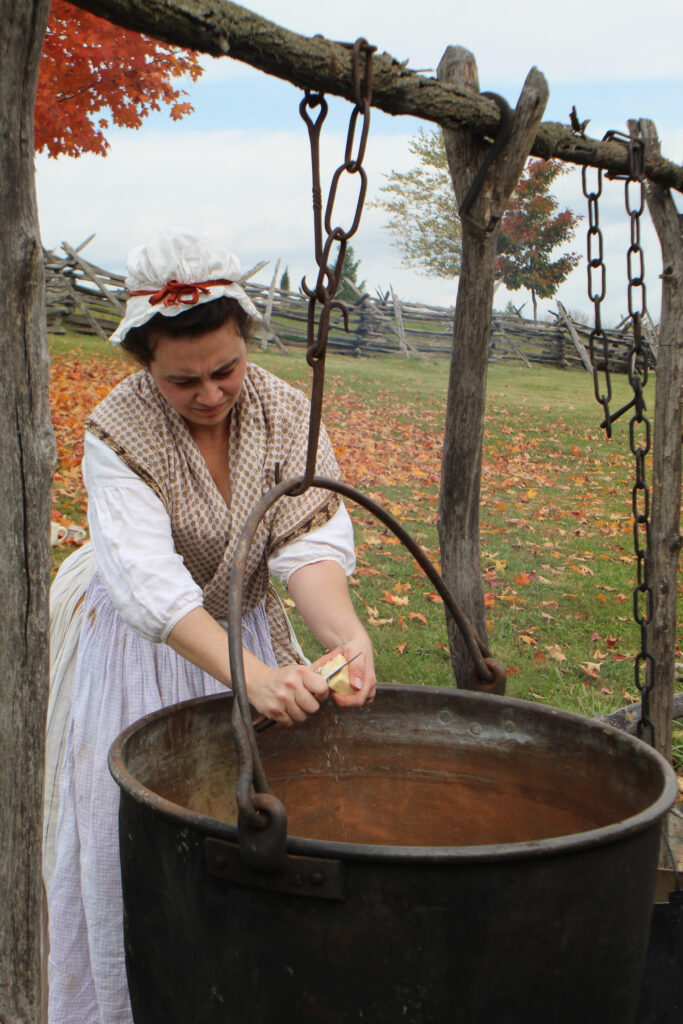
Eighteenth-century armies seldom marched with soldiers alone. Their ranks also swelled with camp followers, laborers, and families. Women, children, and older men, collectively known as camp followers, formed a vital support network, performing essential tasks that kept the army functioning. Some women held official posts as laundresses, nurses, or cooks. Others contributed in less formal but equally vital ways. Many camp followers were widows, impoverished women, or former indentured servants displaced by the disruptions of war. For some, following the army offered relative security, a steady supply of rations, and the opportunity to earn wages during a time of widespread hardship.
Military Justice and Court Martial
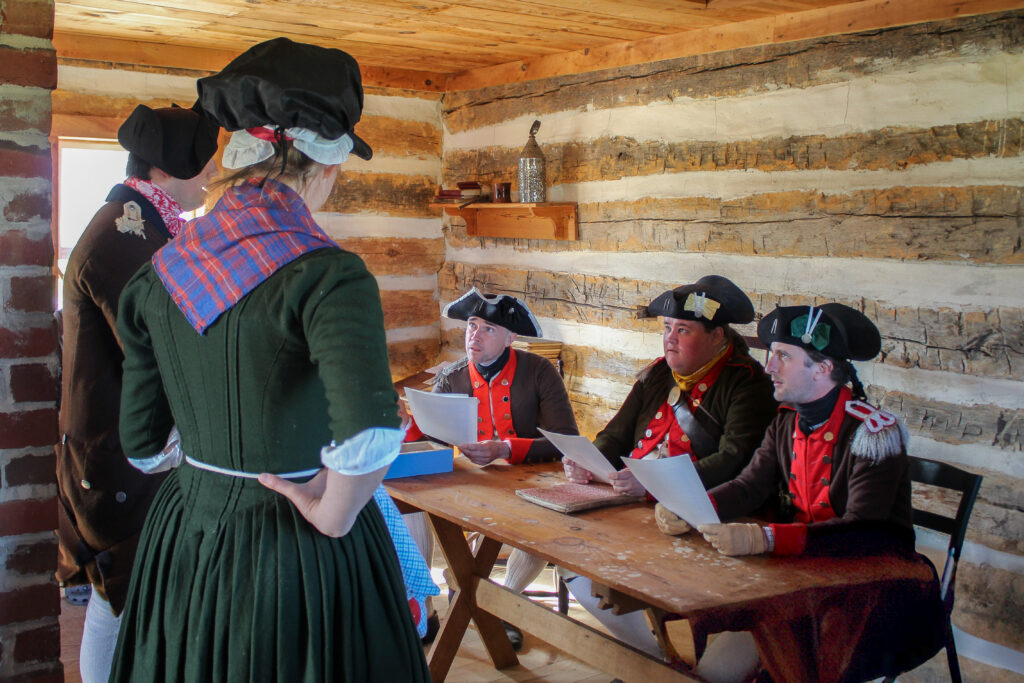
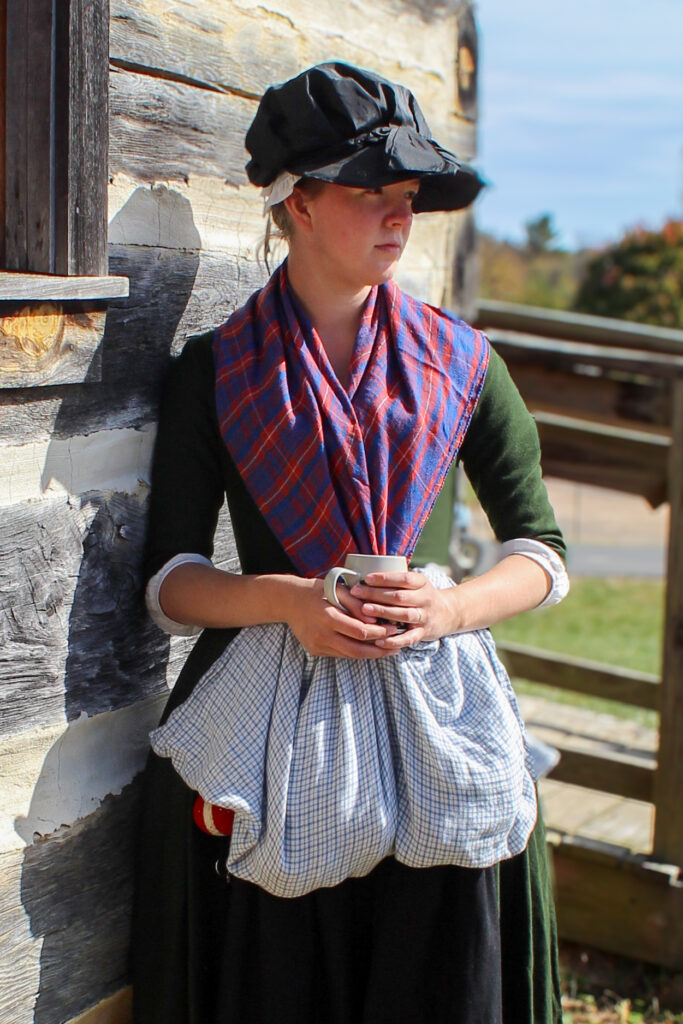
On the frontier, military justice was often swift and pragmatic. Courts-martial, composed of officers, dealt with offenses ranging from theft to insubordination. A member of Crockett’s Western Battalion once ‘enticed away’ a local woman’s pig. This telling example reveals the constant struggle to maintain law and order in a remote military camp. Punishments varied widely, from extra duties to corporal punishment or dismissal from service.
Bound for Freedom:
The Black Freedom Struggle
in the American Revolution
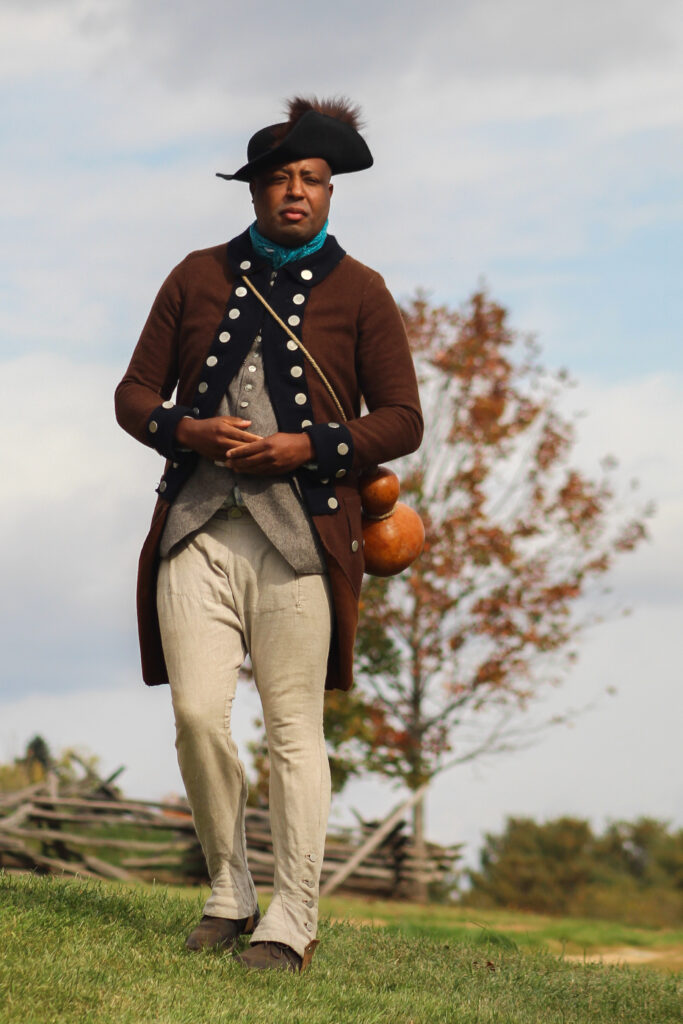
Public historian and re-enactor Marvin Alonzo Greer, whose work spans institutions such as the Museum of the American Revolution and Colonial Williamsburg, gave a powerful presentation on the evolving experiences of Black Americans during the Revolutionary War.
For many enslaved people, the conflict offered a rare, if precarious, opportunity to pursue freedom. British and American forces both promised liberty to Black men willing to take up arms. In practice, these pledges were frequently ignored or only partially fulfilled.
Nevertheless, the war marked a critical chapter in the broader Black freedom struggle, laying the foundations for future generations.
Revolutionary War Weekend:
Captive Beyond the Mountains
October 26-27, 2024
Frontier Culture Museum of Virginia
1290 Richmond Rd, Staunton, Virginia 24401