On August 2, 2025, Historic Annapolis hosted Yr Local Colonial Goddess‘ original public program, Money Matters: Budgeting on the Brink of Revolution, at their Hogshead Trades Museum. This program invited visitors to explore the realities of 18th-century social and economic life through the lens of budgeting, survival, and choice.
How do you spend your money when survival hangs in the balance?
Each player received a ledger reflecting their new station in life, the annual income and expenses of their new household, and a weekly budget. The task at hand is to purchase essentials: something to wear, something to eat, something to drink out of, and something to use for fun. To win, players had to stay under budget. For some, this is easier said than done.
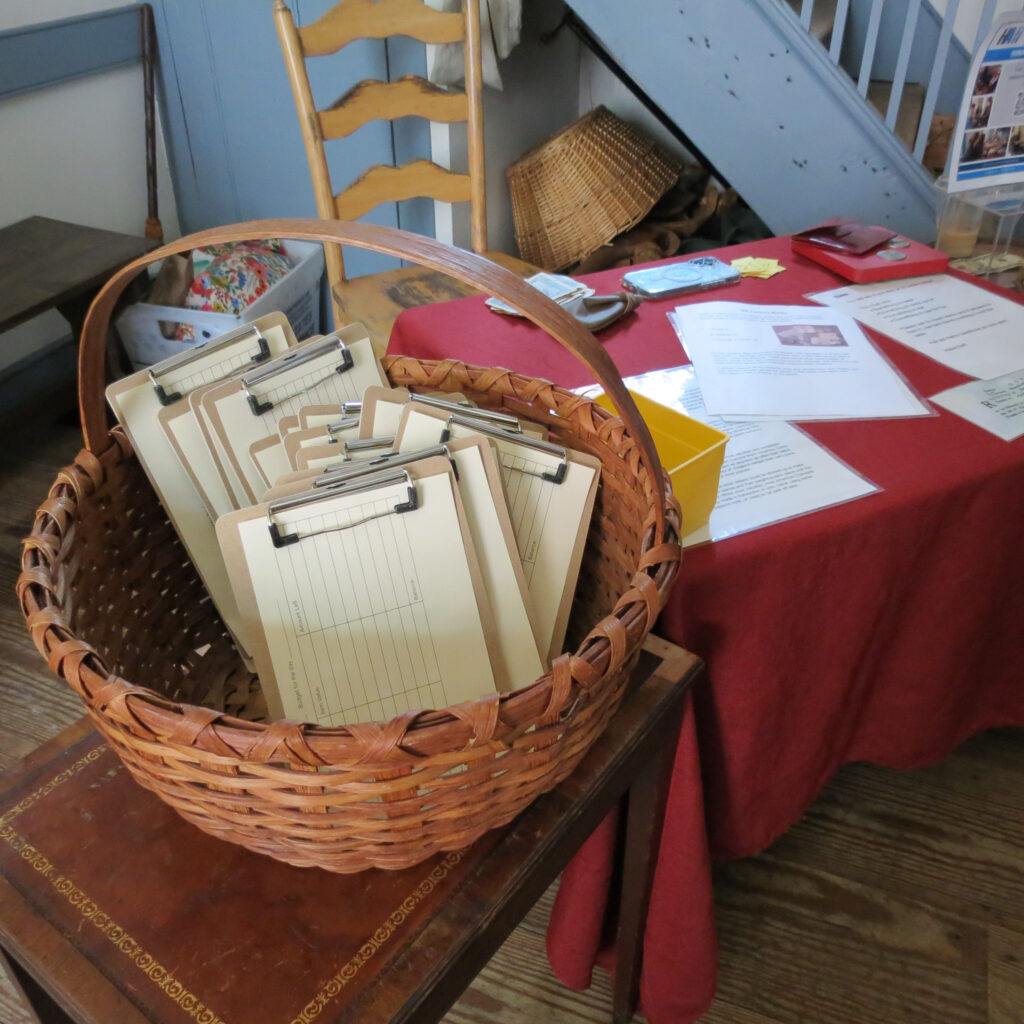
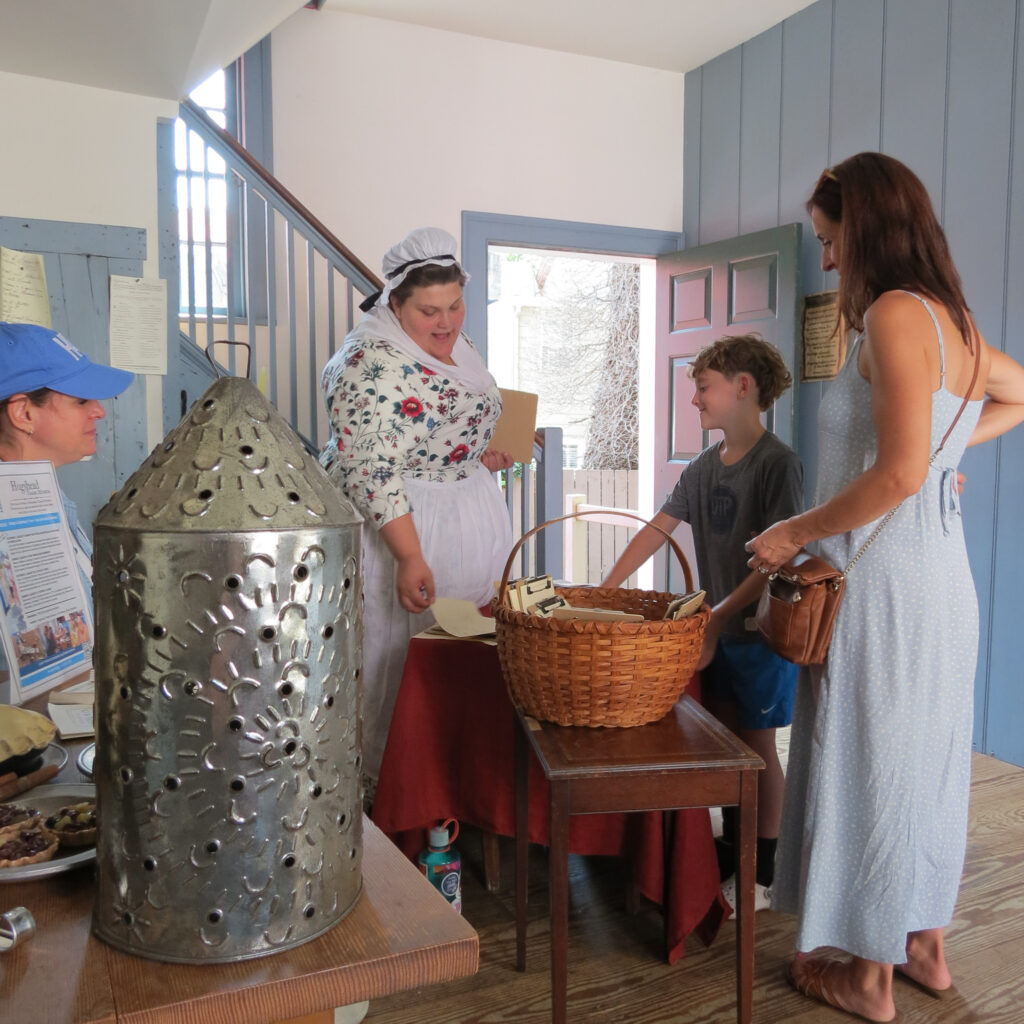
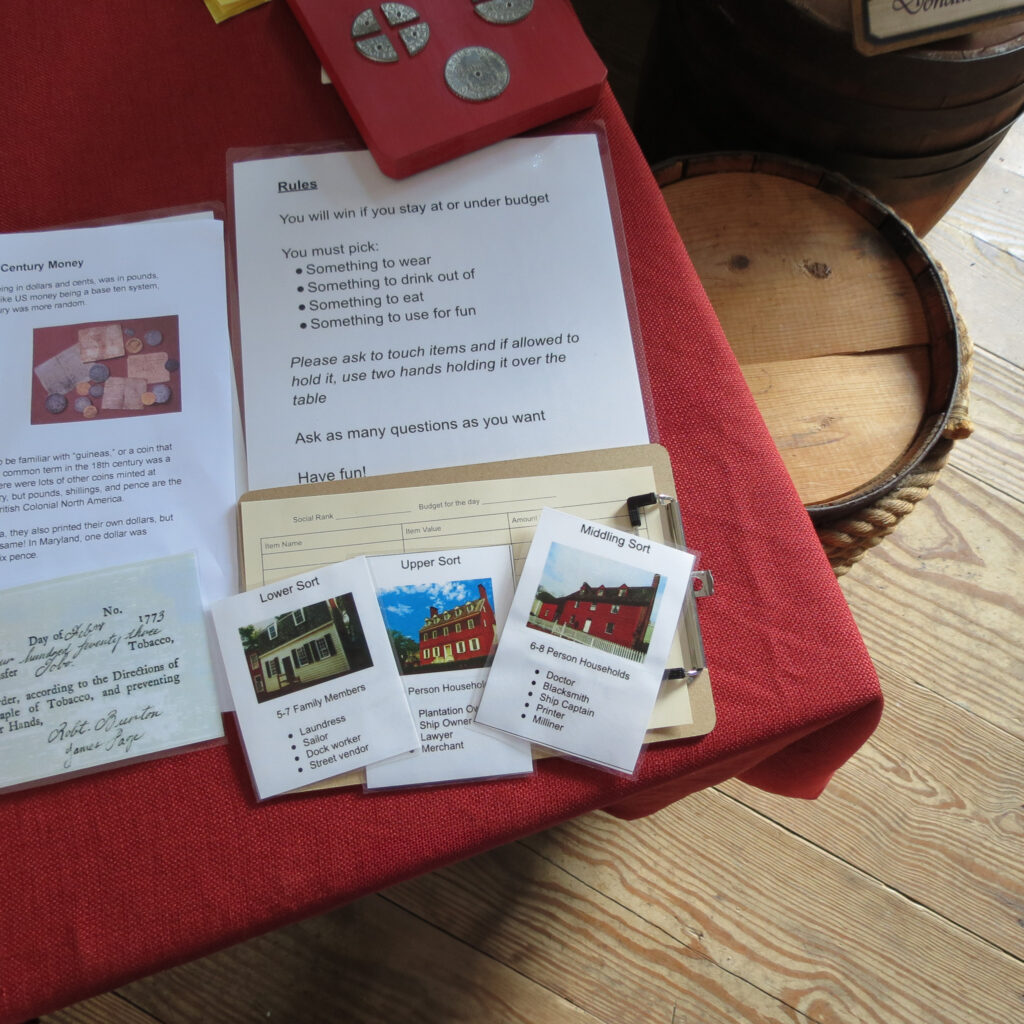
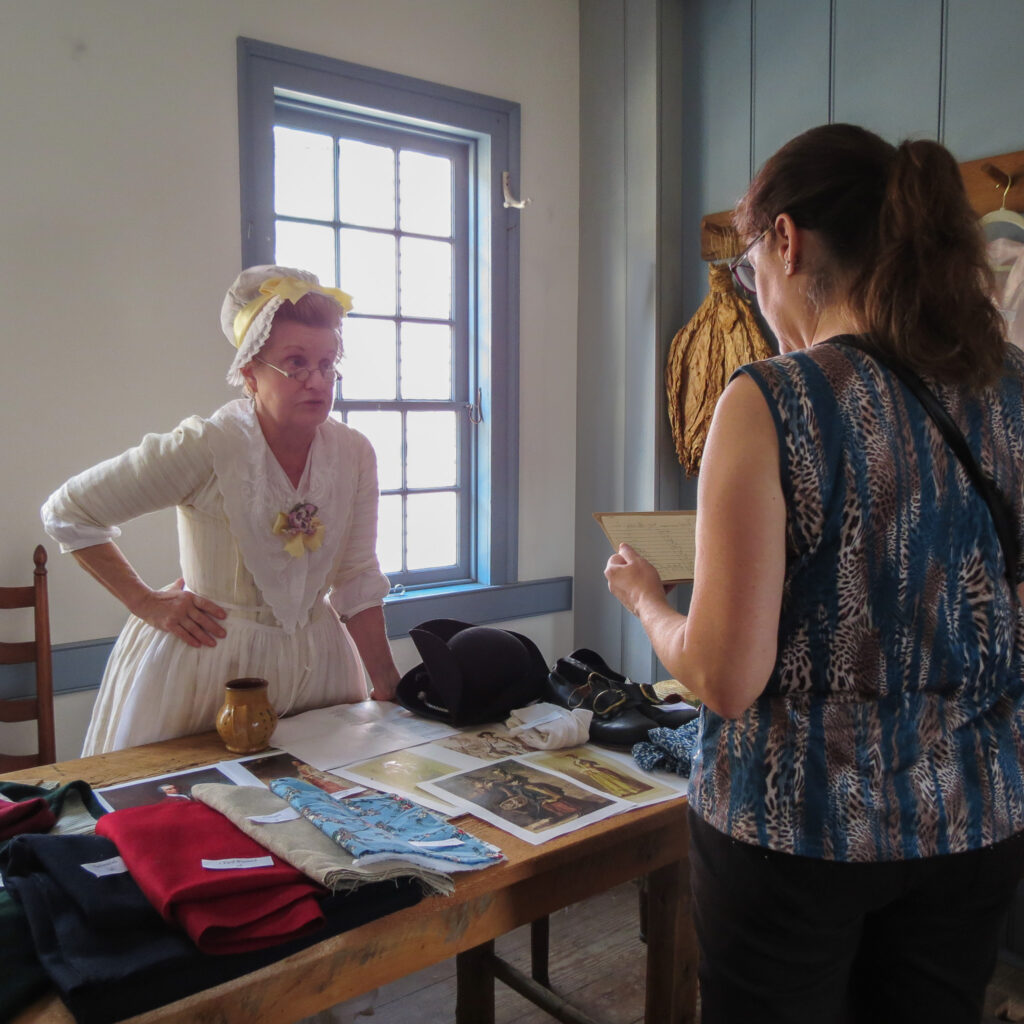
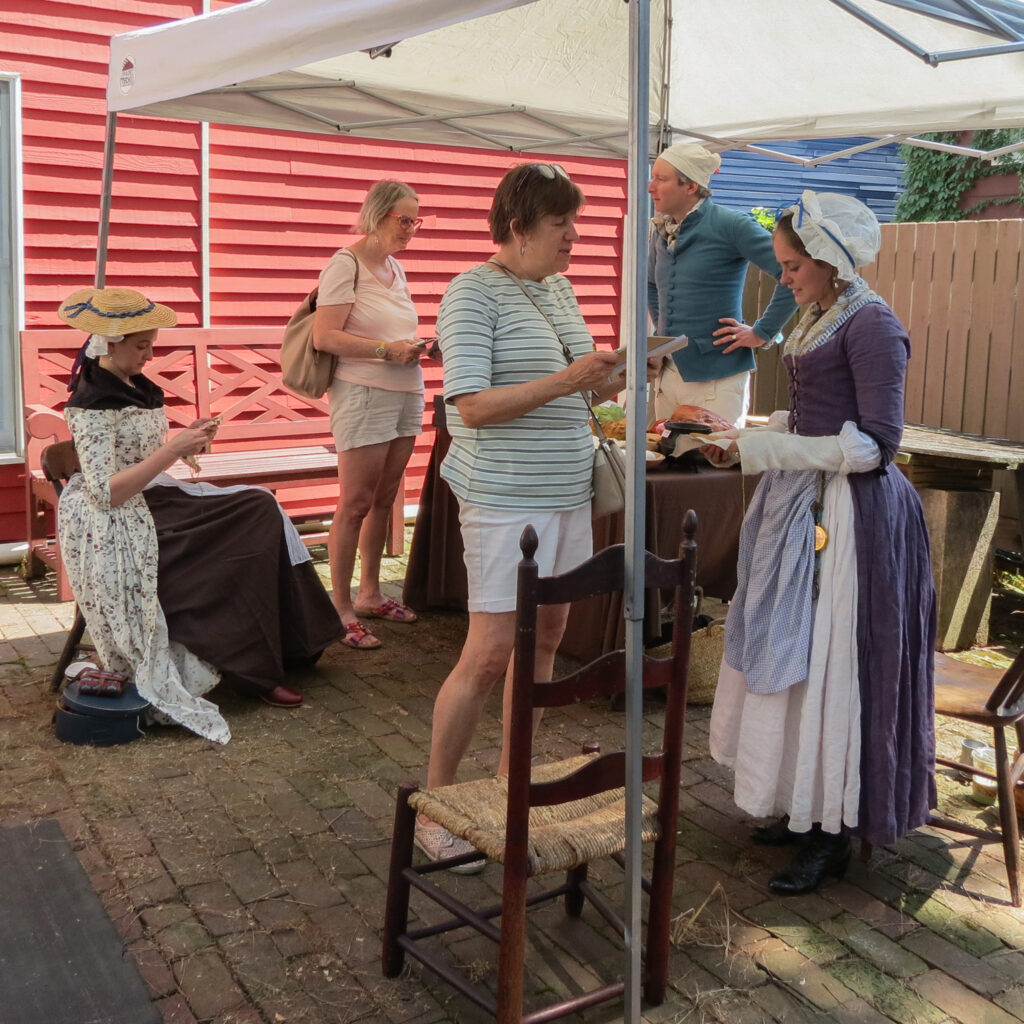
Ledgers in hand, visitors navigated four stations: clothing, household goods, food, and luxury items. Costumed interpreters answered questions, added context, and advised the visitors perusing their wares.
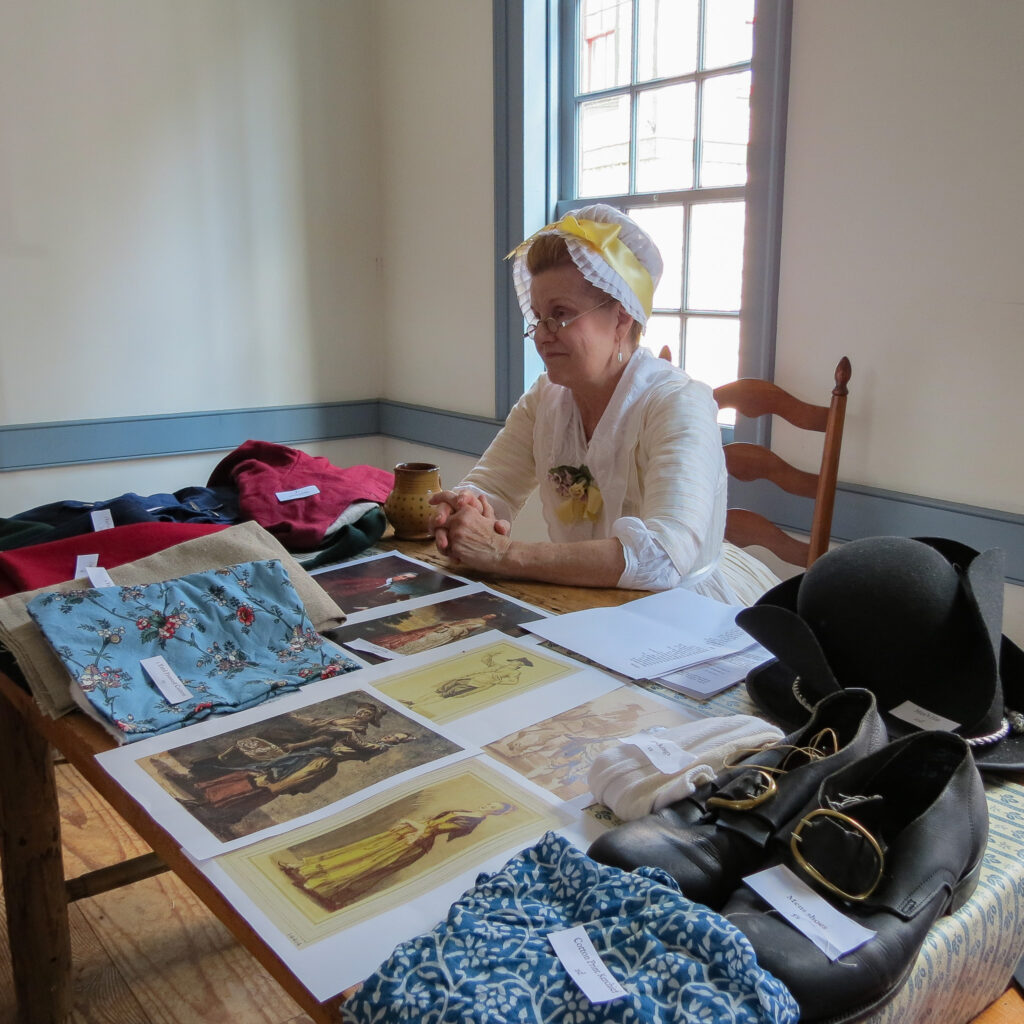
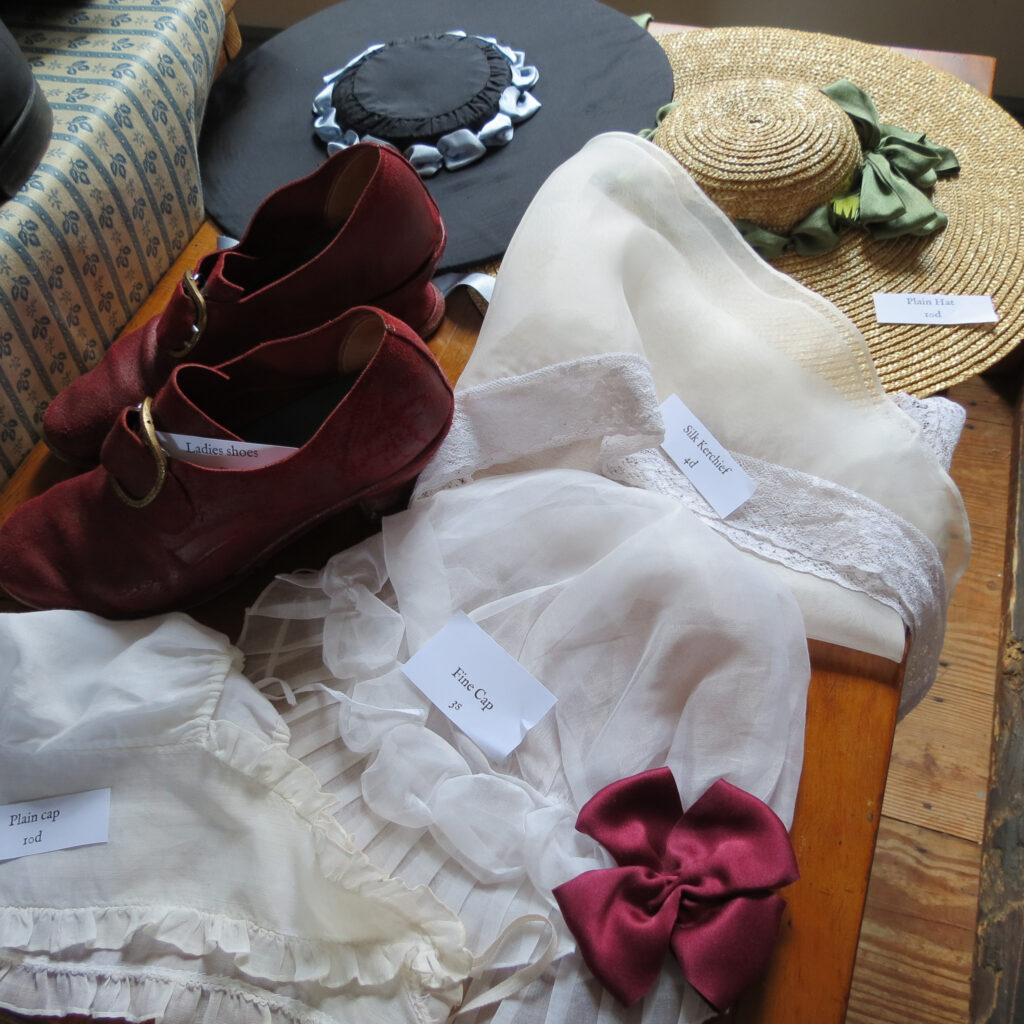
Clothing: Fashion or Function?
In the 18th century, what one wore wasn’t just a matter of taste. Clothing denoted the wearer’s wealth, status, and labor. Here, participants decide whether to invest in sturdy shoes and work clothes or splurge on fine fabrics to show off their wealth.
Household Goods: What Do You Need?
Everyday survival started at home. At this station, visitors consider the costs of basic necessities that kept a colonial household running. Durable goods could be expensive, but without them, daily life would become even harder.
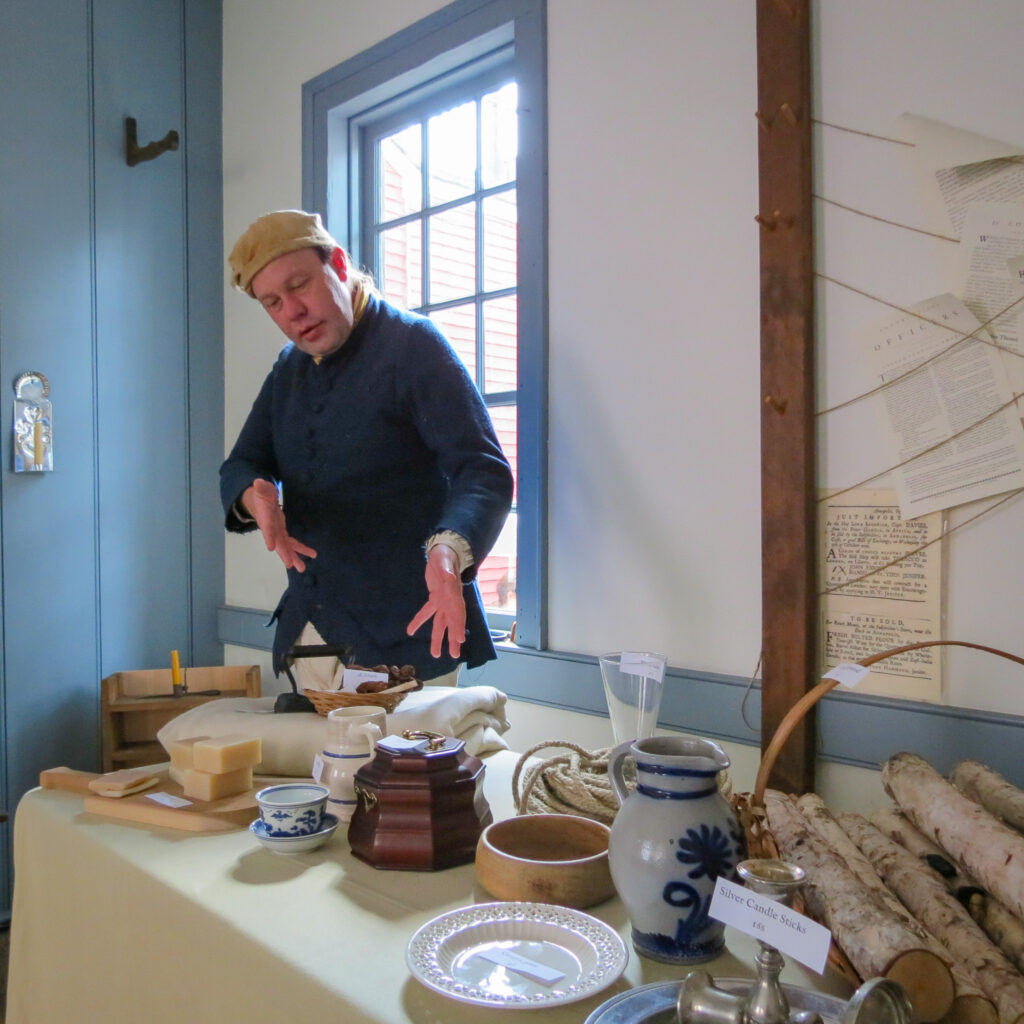
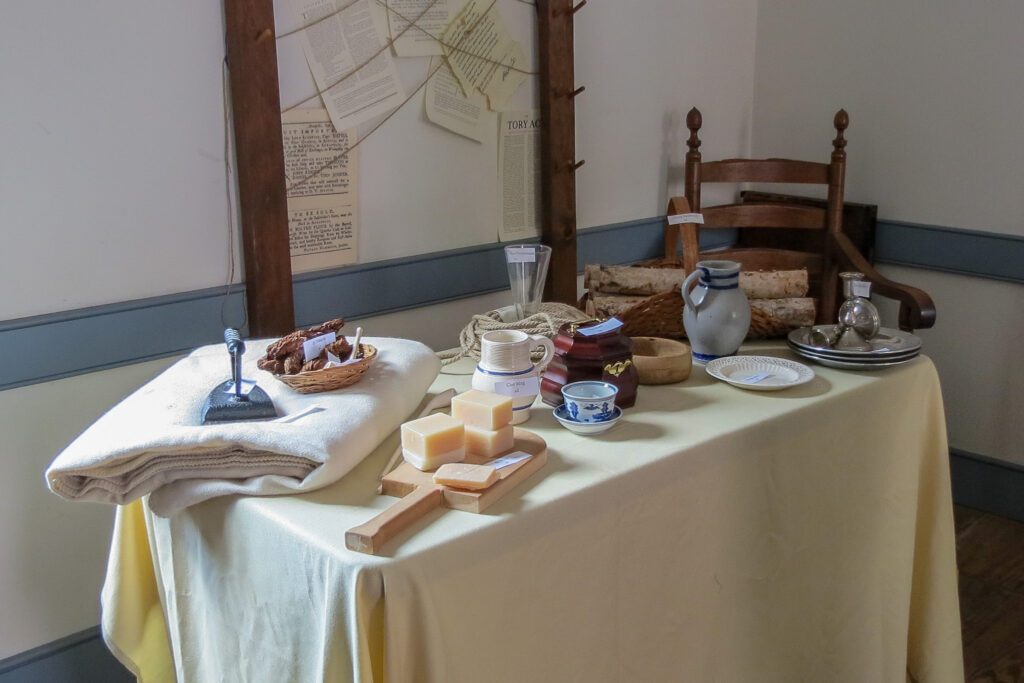
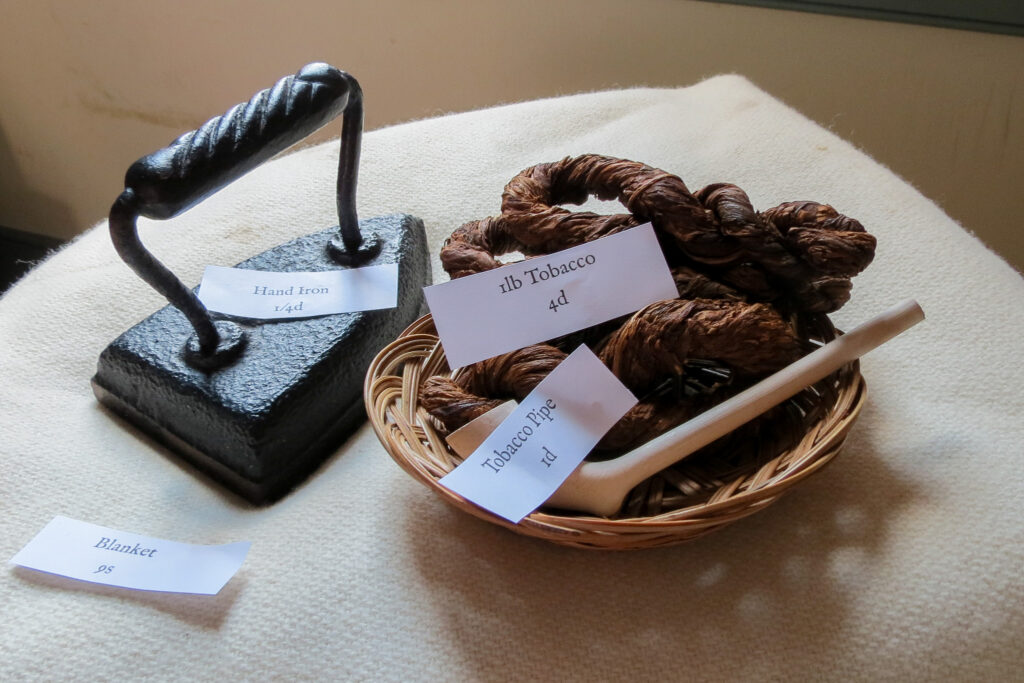
Food: What’s for Dinner?
Meals made the difference between health and hardship. At the food station, visitors choose from a wide variety of foodstuffs, balancing the hunger of their household against limited resources and unpredictable markets.
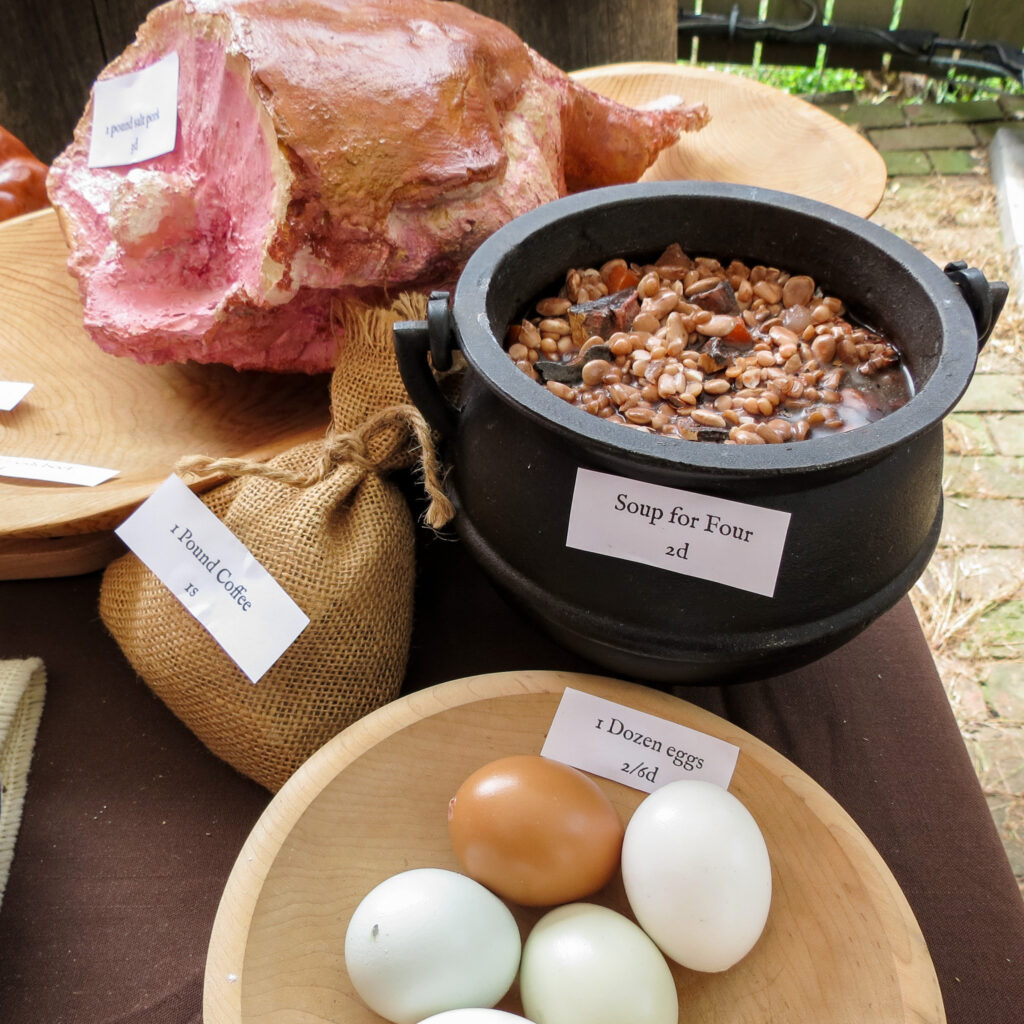
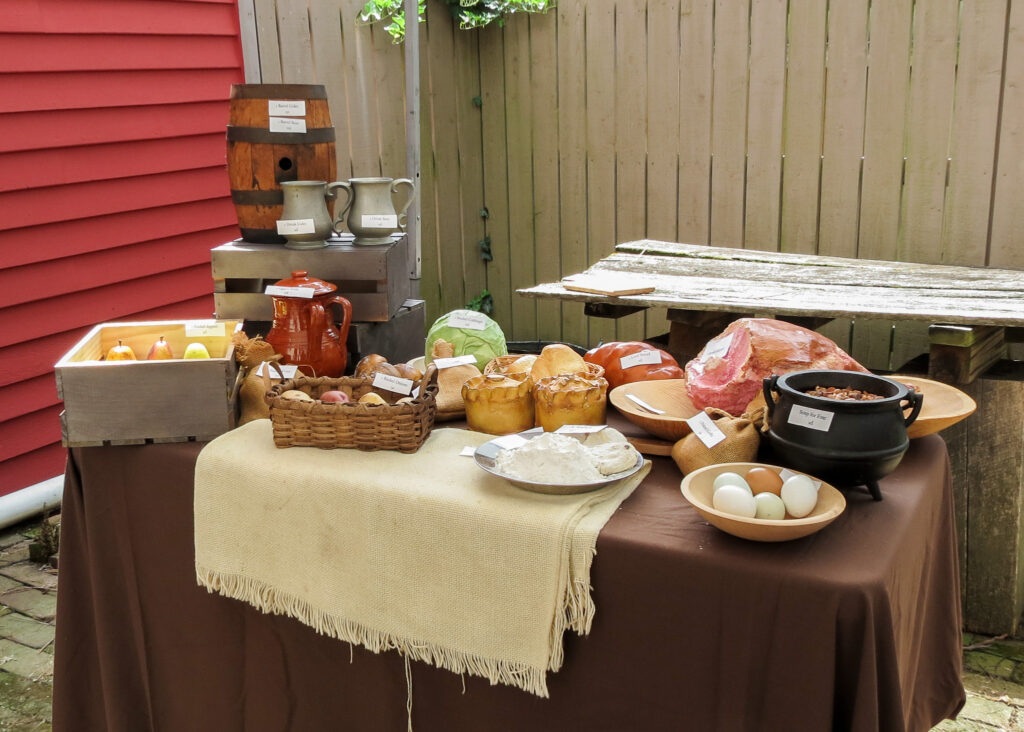
Luxury Goods: What’s Worth the Splurge?
Imported goods like tea, sugar, and porcelain connected colonists to a global market—and often drained their purses. Visitors decide if these extras are worth the splurge, and what luxuries fit the budget.
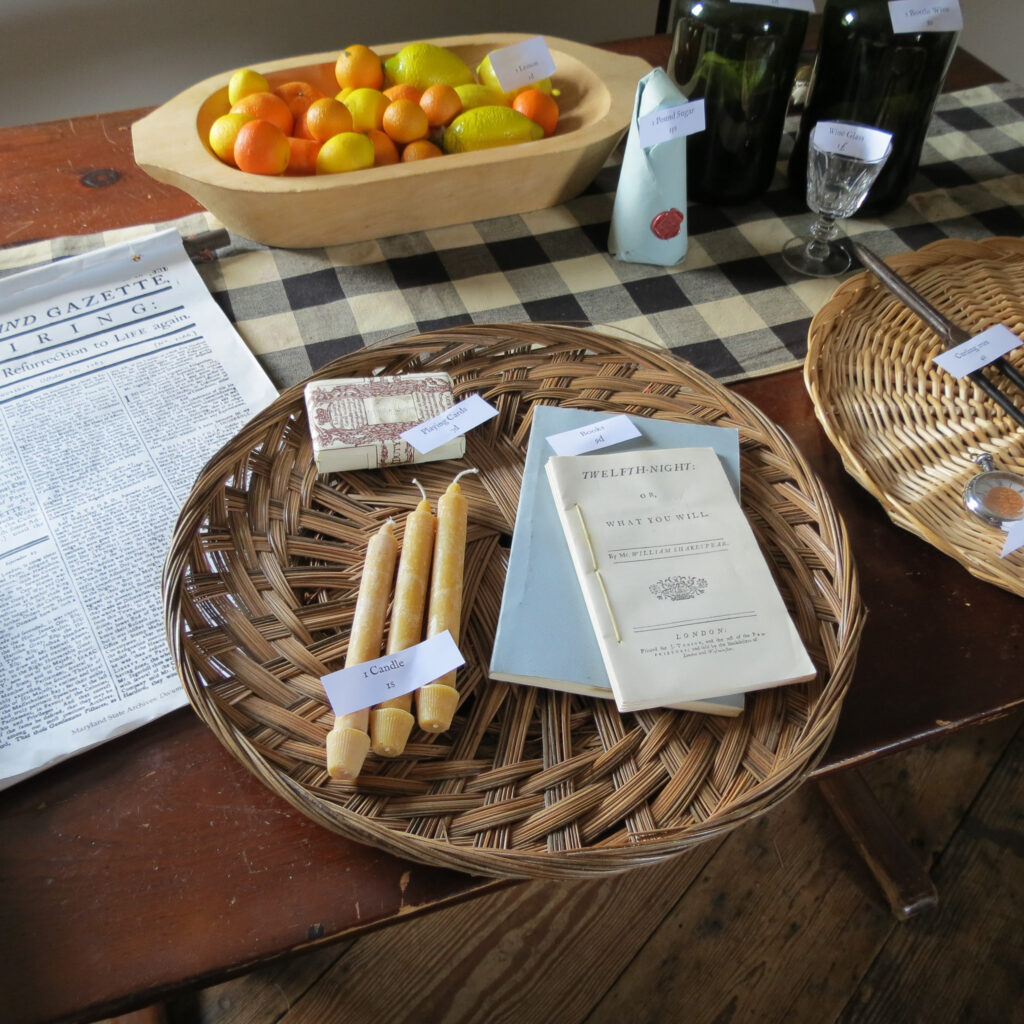
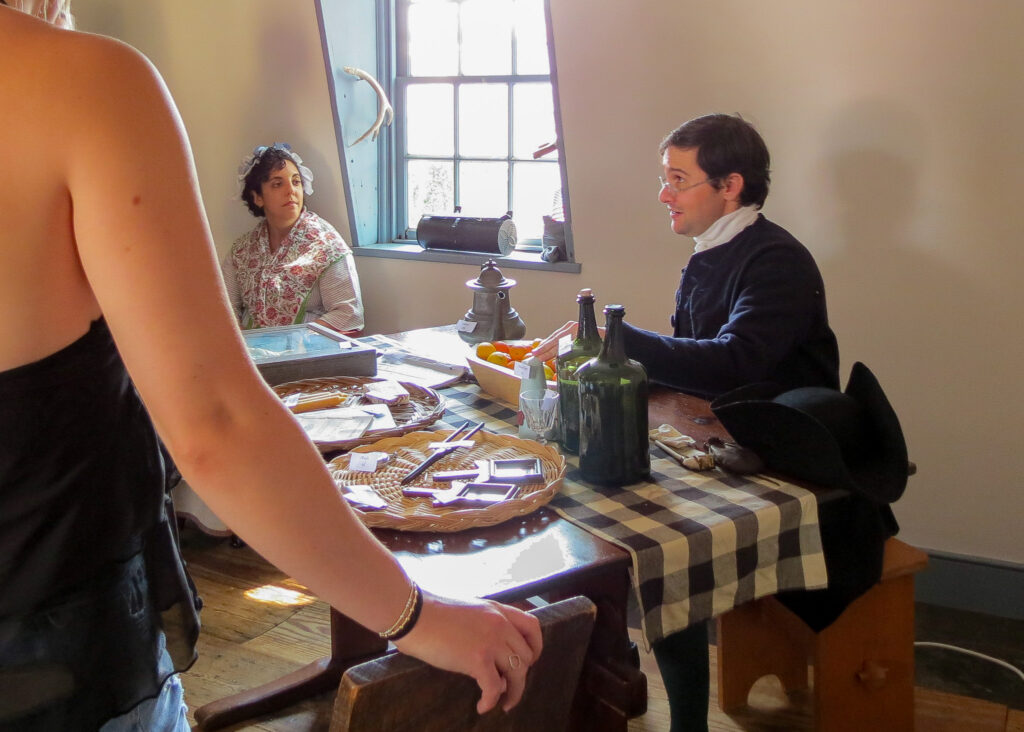
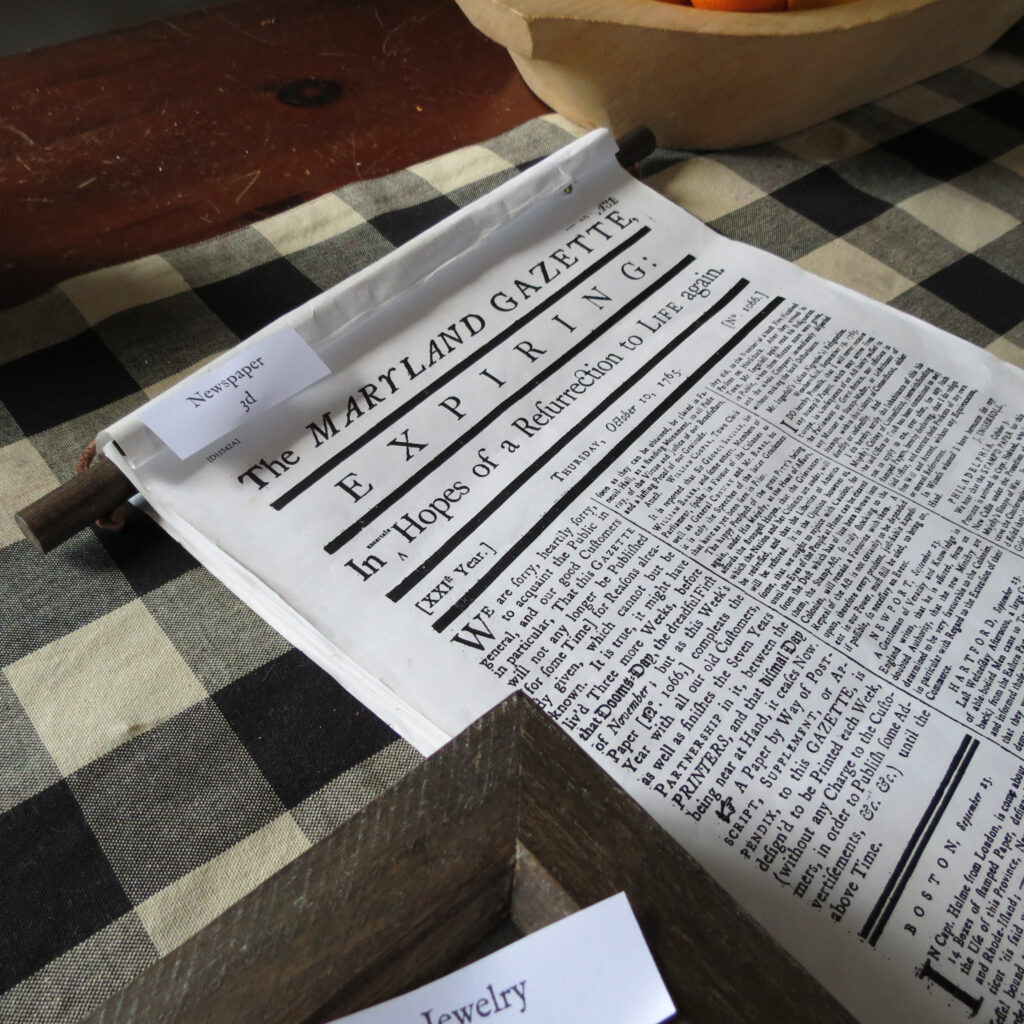
When Every Penny Counts, What Do You Choose?
Each stop presented opportunities and dilemmas. Do you spend your limited funds on durable cookware or risk going without? Can you afford sturdy shoes, or will fashion win out over practicality? What sacrifices must be made to put food on the table? How tempting are the imported luxuries that connect colonial Annapolis to a global economy?
By experiencing these everyday decisions firsthand, participants gained insight into the realities of 18th-century social and economic life. The program highlighted the ripple effects of wealth, scarcity, and class, while sparking conversations about the choices families face in every era.
More of my photography from Historic Annapolis programs: