• Skip to primary navigation
  • Skip to main content
  • Skip to primary sidebar
Everhart Creative
  • Creative Work
    • Blog
    • Photography
    • Social Media
  • About
    • Testimonials
    • Disclosure & Privacy Policy
    • Cookie Policy
  • Let’s Connect

Revolutionary Annapolis in 1774: The Burning of the Peggy Stewart

October 10, 2025 by Clara Everhart 1 Comment

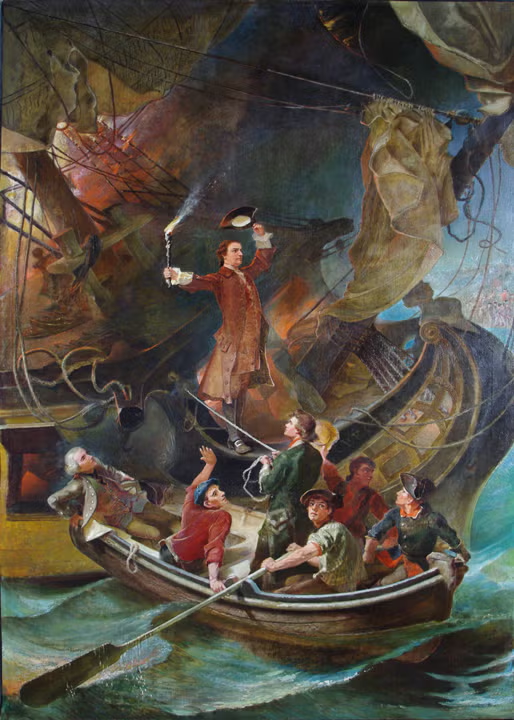
On October 19, 1774, the merchant ship Peggy Stewart was burned in Annapolis under pressure from local Patriots. Revolutionary Annapolis was a hub of political activity and debate. Peggy Stewart‘s cargo included tea that violated the colonies’ boycott of British goods. (The British East India Company held a monopoly on the colonies’ tea imports.) Rather than risk violence, the ship’s owner set his own vessel aflame.

In 2024, Historic Annapolis commemorated the 250th anniversary of this event with a living history program on historic Pinkney Street.

18th-century sailor reenactor on historic Wayman’s Alley.
Francis Blackwell Mayer's painting of the burning of the Peggy Stewart during the Annapolis Tea Party in 1774. Courtesy of the Maryland State Archives.

Work, Markets, and Margins of Revolutionary Annapolis

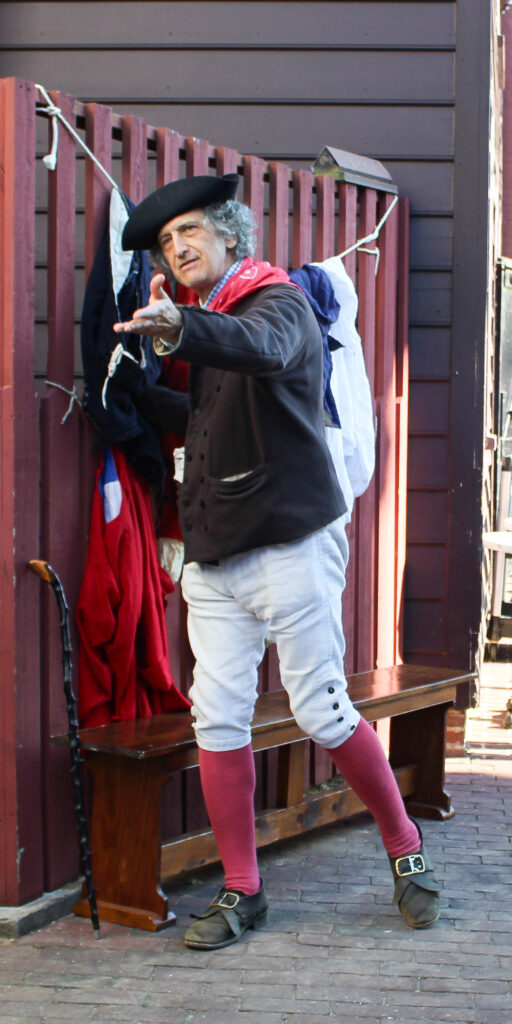
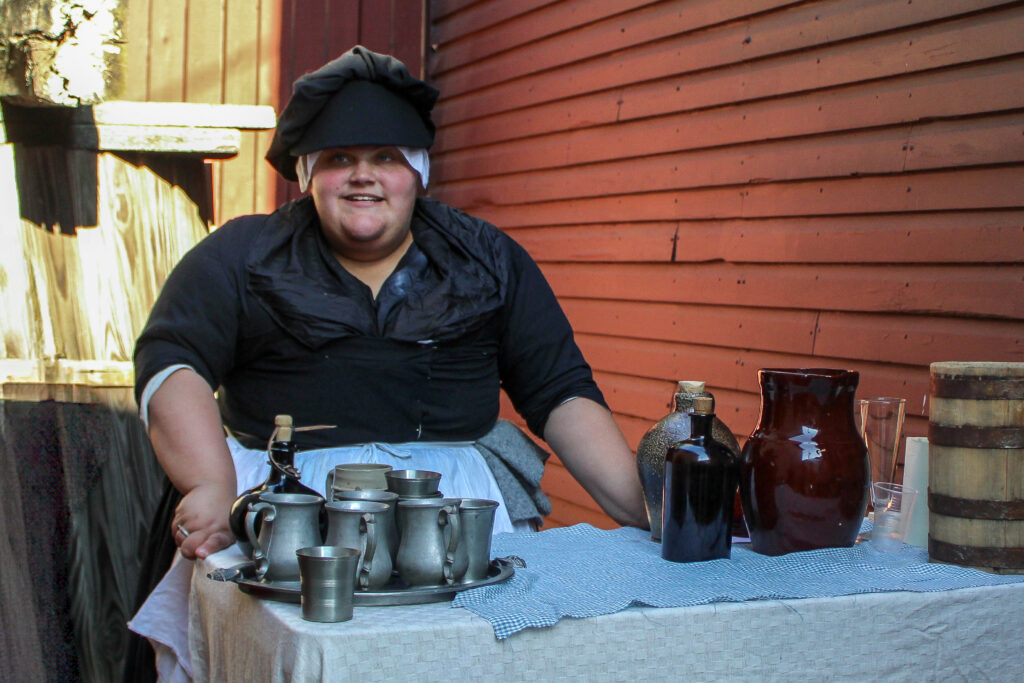
Reenactors highlighted the city’s diverse population, from sailors to artisans, women running households, and enslaved and free Black residents navigating an uncertain future. The street life of Revolutionary Annapolis was equally vibrant. Second-hand peddlers, unlicensed tavern keepers, and other working-class figures shaped the texture of daily life.

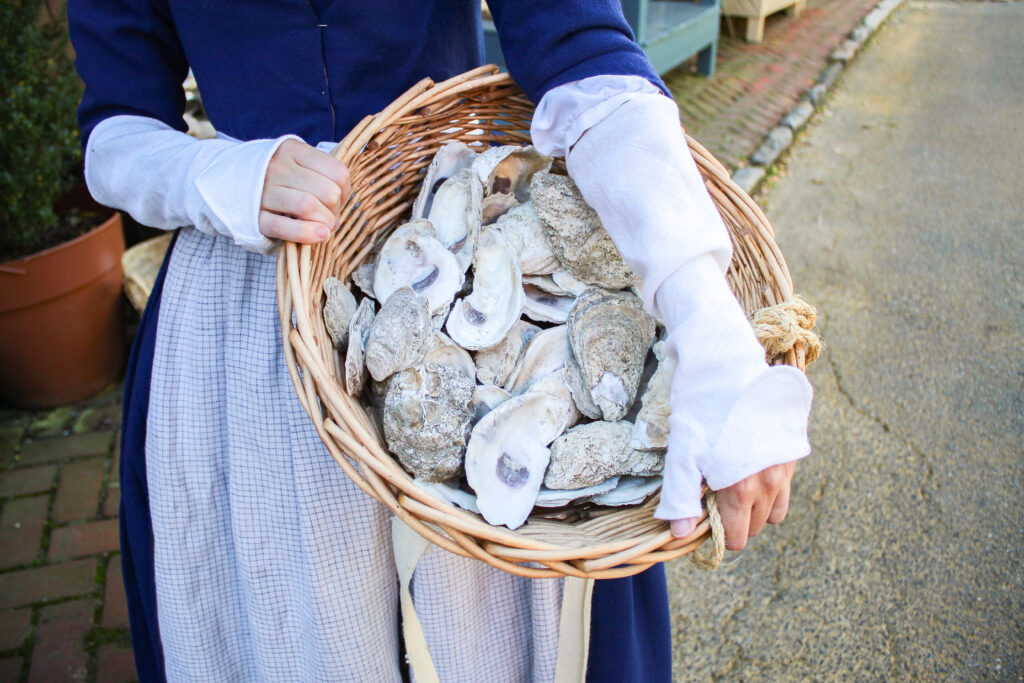
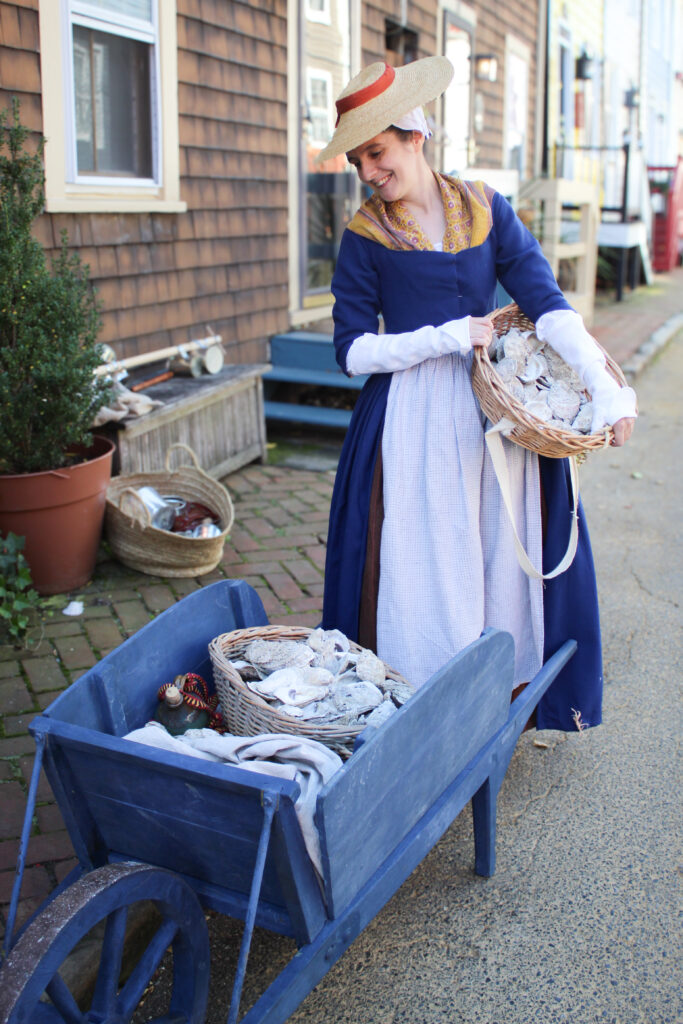
These figures remind us that the Revolution unfolded in crowded markets, noisy taverns, and along streets strewn with oyster shells.
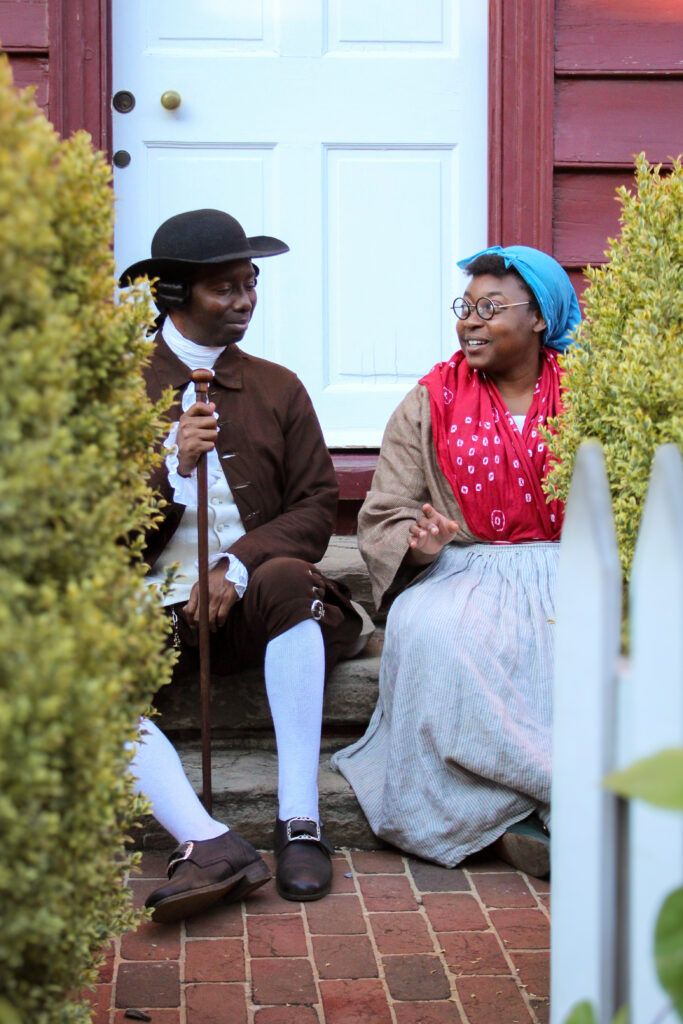
Two African American interpreters discussing daily life, 1774.
Woman interpreter with wheelbarrow of oyster shells, Annapolis living history.
Interpreter portraying a street vendor selling second-hand clothes in 18th-century Annapolis.
Interpreter as unlicensed tavern keeper in Revolutionary Annapolis living history event.
Detail of large oyster shells, representing Annapolis’s maritime economy, 1774.

Annapolis’s Own Tea Party, 1774

The Burning of the Peggy Stewart remains a little-known episode of America’s path to independence. Boston’s more famous protest often overshadows it. One year prior, in December 1773, disguised Bostonians famously dumped chests of tea into the harbor. This moment linked Revolutionary Annapolis with Boston as a flashpoint in the escalating conflict that led to the American Revolution.

Did you know about Annapolis’ own “tea party”?

(Historic Annapolis is interpreting events leading up to the 250th anniversary of the Declaration of Independence. Check out the 2025 Revolutionary Annapolis on Pinkney Street.)

Filed Under: Living History, Photography Tagged With: Historic Annapolis

Previous Post: « Revolutionary Annapolis on Pinkney Street
Next Post: Taverns on the Appalachian Frontier »

Reader Interactions

Comments

  1. visit article

    March 7, 2026 at 9:22 pm

    Wow! After all I got a blog from where I know how to actually
    obtain helpful facts concerning my study and knowledge.

    Reply

Leave a Reply Cancel reply

Your email address will not be published. Required fields are marked *

Primary Sidebar

Let’s Connect

  • Email
  • Facebook
  • Instagram
  • Pinterest

About the Artist

Clara Everhart is an emerging photographer, capturing the work of individual historians, reenactment units, and historic sites during the US 250th and beyond.

Subscribe to the Newsletter

I'll never send you spam.

Check your inbox to confirm your subscription.

Copyright © 2026 Everhart Creative on the Foodie Pro Theme