• Skip to primary navigation
  • Skip to main content
  • Skip to primary sidebar
Everhart Creative
  • Creative Work
    • Blog
    • Photography
    • Social Media
  • About
    • Testimonials
    • Disclosure & Privacy Policy
    • Cookie Policy
  • Let’s Connect

What’s a Flying Hospital?

August 12, 2026 by Clara Everhart

Mobile Medicine, 18th-Century Style

During the semiquincentennial celebration at New York’s Fort Ticonderoga, volunteer re-enactors helped Fort Ticonderoga interpreters portray a “flying hospital,” which provided immediate care to sick and wounded soldiers. At Fort Ticonderoga, these mobile medical operations handled devastating waves of camp illnesses, such as smallpox and dysentery.

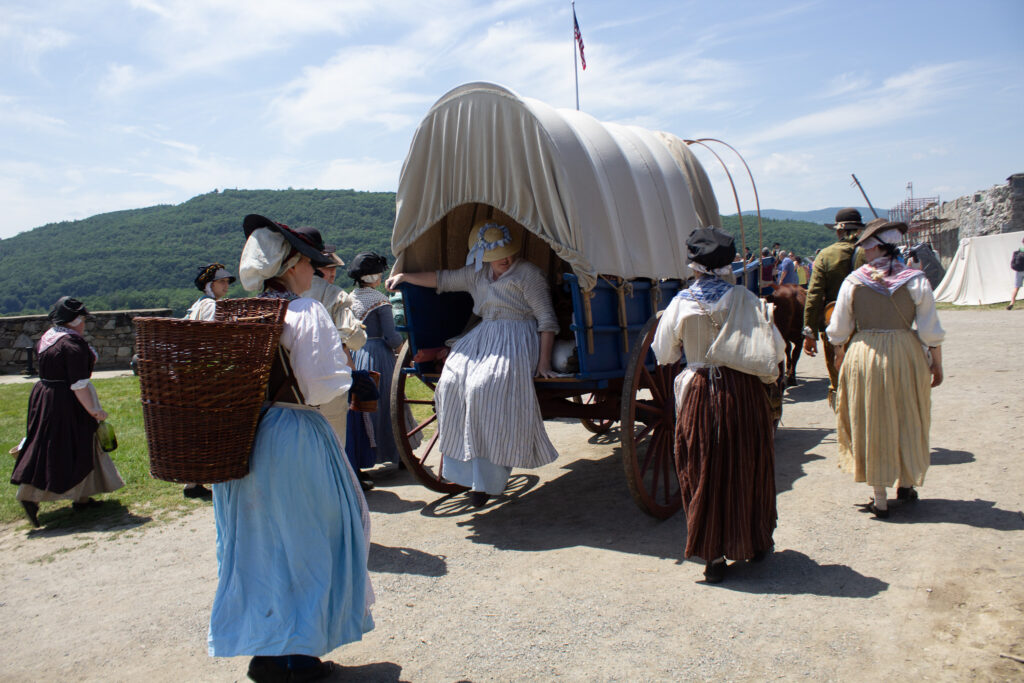
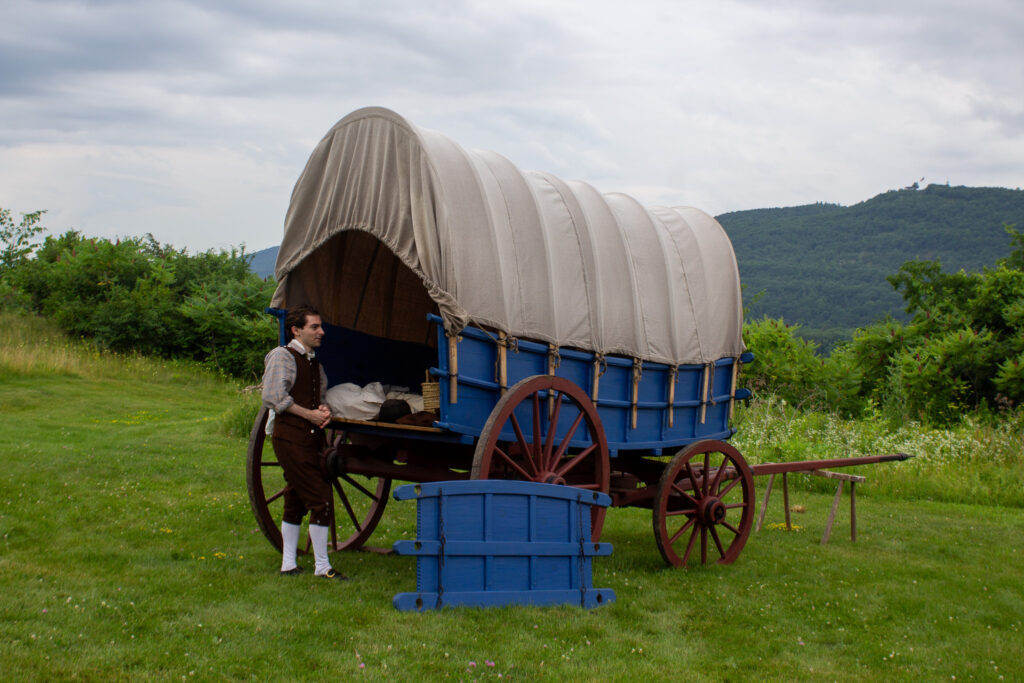
This scenario represented injured or ill soldiers arriving at Fort Ticonderoga by boat, being treated at the temporary hospital, and then transported by Conestoga wagon to a better-equipped permanent hospital.
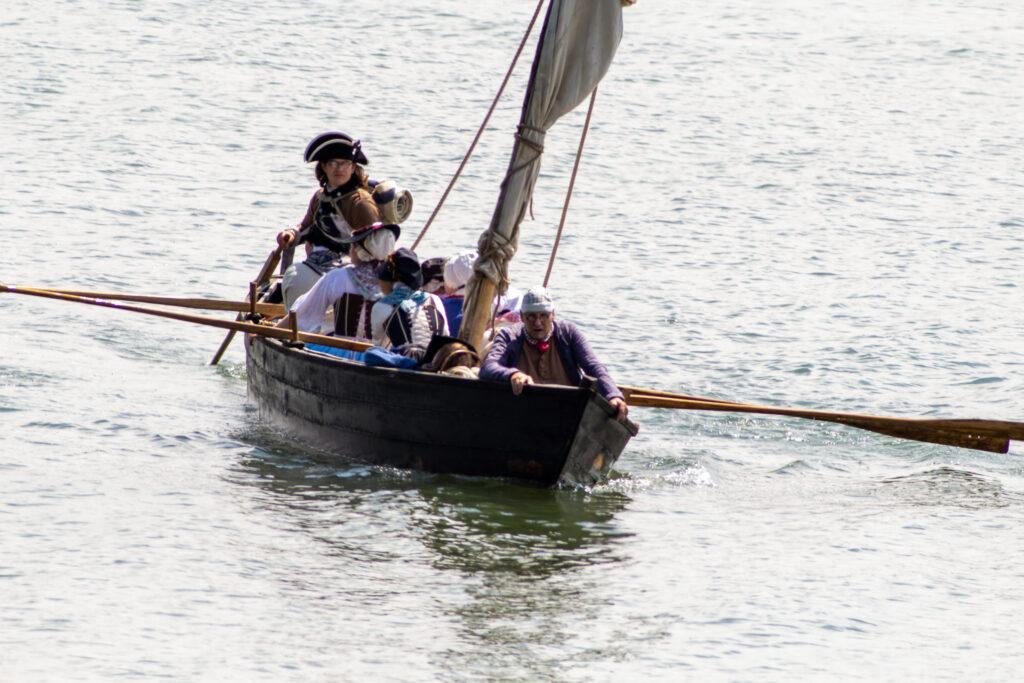
Sick soldiers and camp followers arrive by boat at Fort Ticonderoga, Ticonderoga, NY. 2026.
Sick soldier with Conestoga wagon  at Fort Ticonderoga, Ticonderoga, NY. 2026.
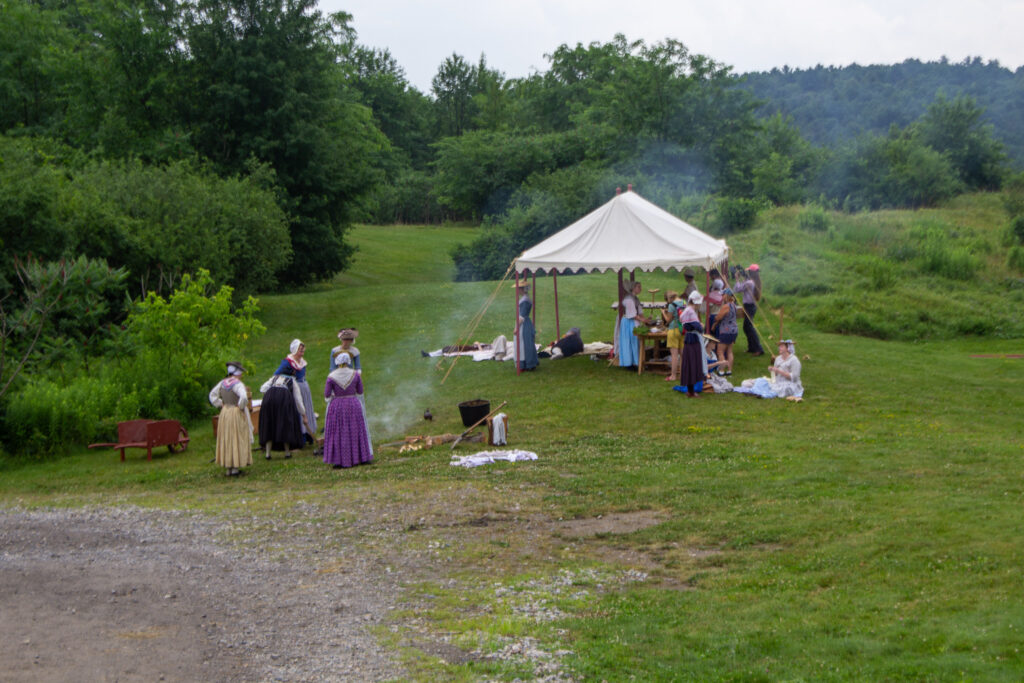
Tent hospital outside the walls at Fort Ticonderoga, Ticonderoga, NY. 2026.
Camp followers accompany the Conestoga wagon at Fort Ticonderoga, Ticonderoga, NY. 2026.
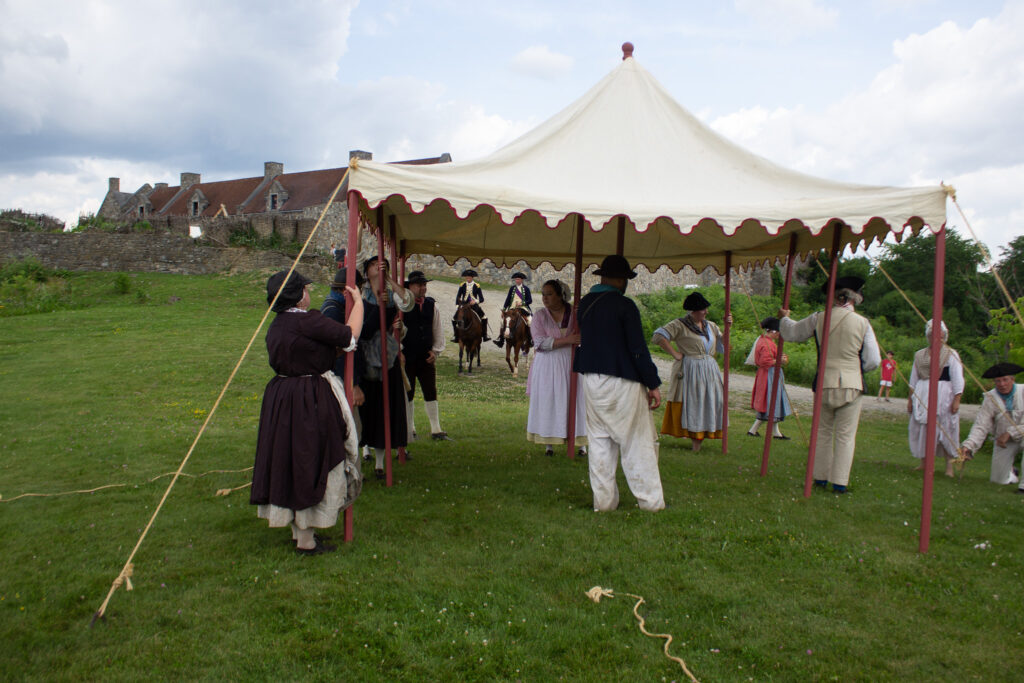
Camp followers set up a tent at Fort Ticonderoga, Ticonderoga, NY. 2026.
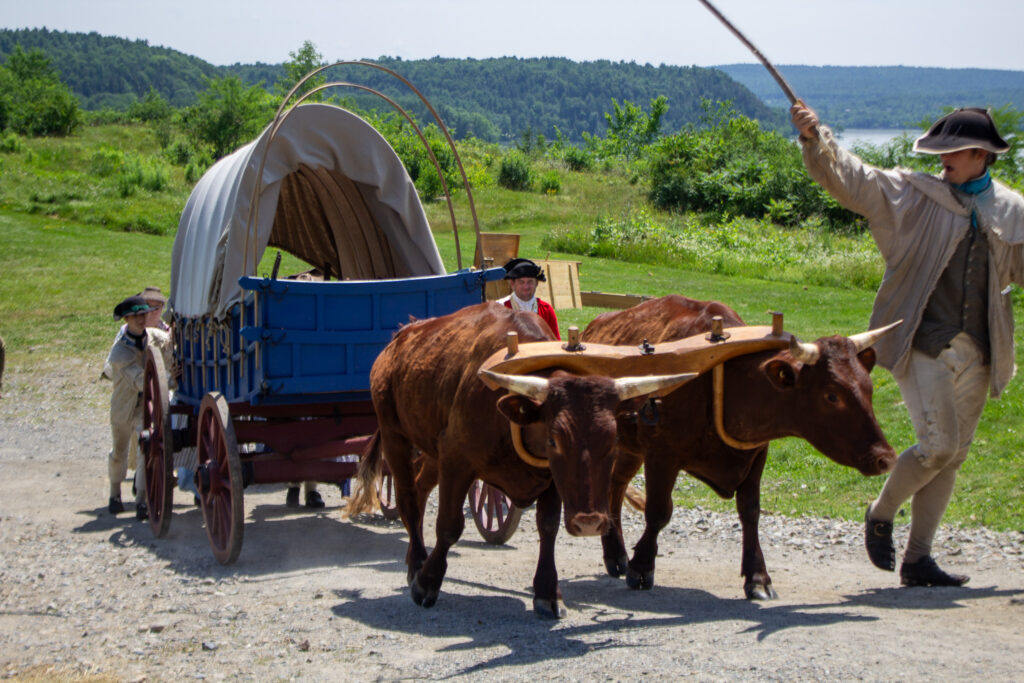
Flying hospital Conestoga wagon with in-training oxen and teamster, outside the walls of Fort Ticonderoga, Ticonderoga, New York. 2026.

Nurses, Laundresses, and the Work of Care

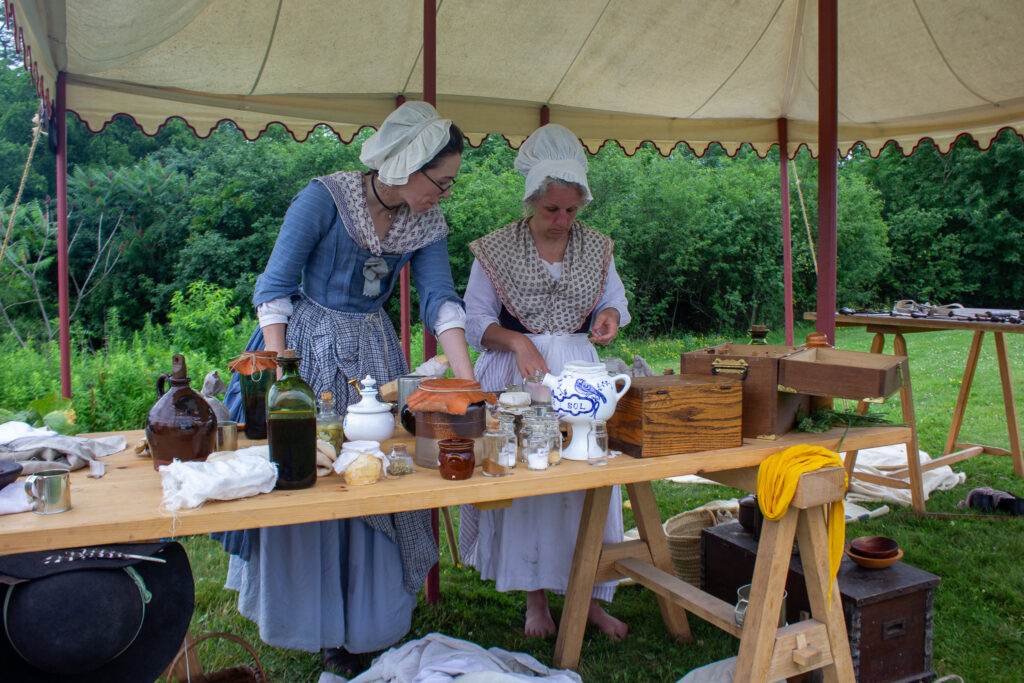
In order to treat the wounded and diseased, military officers hired non-professional nurses from the camp followers who traveled alongside the army. In addition to nurses treating the symptoms of illness and injury, laundresses worked to maintain cleanliness of the linens used to clothe and bandage the soldiers.
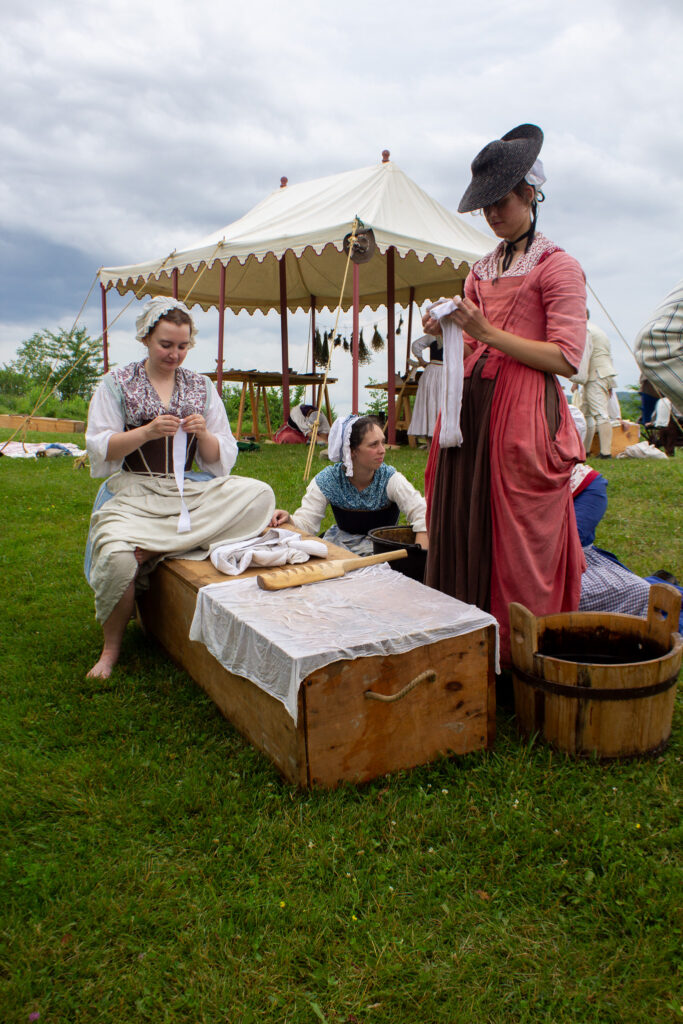
Laundresses at the flying hospital, Fort Ticonderoga, Ticonderoga, NY. 2026.
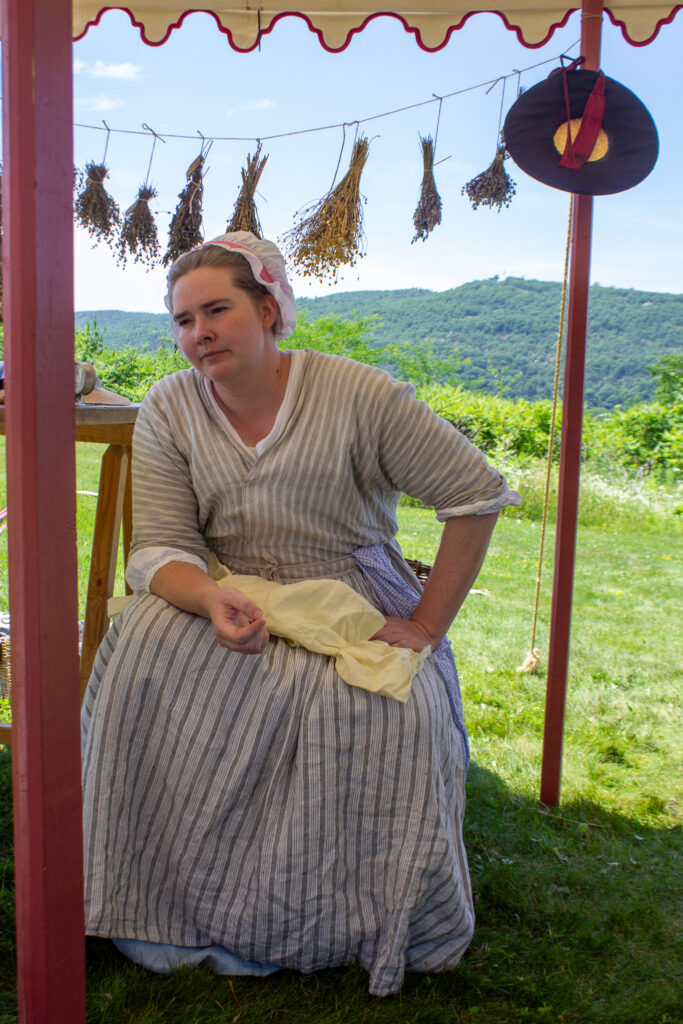
Camp follower at the flying hospital, Fort Ticonderoga, Ticonderoga, NY. 2026.
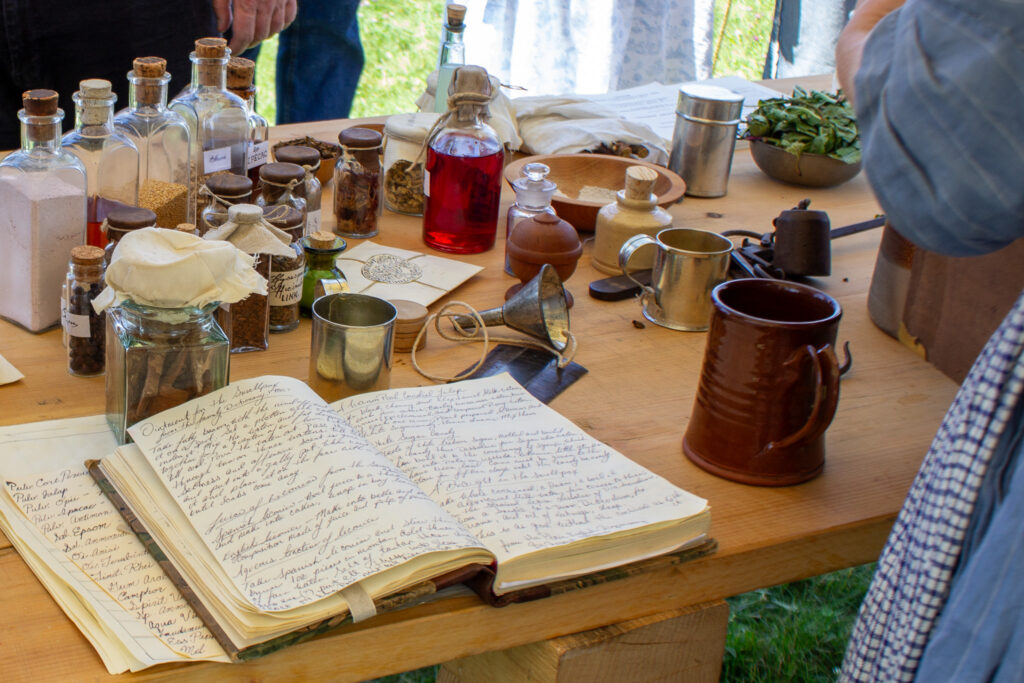
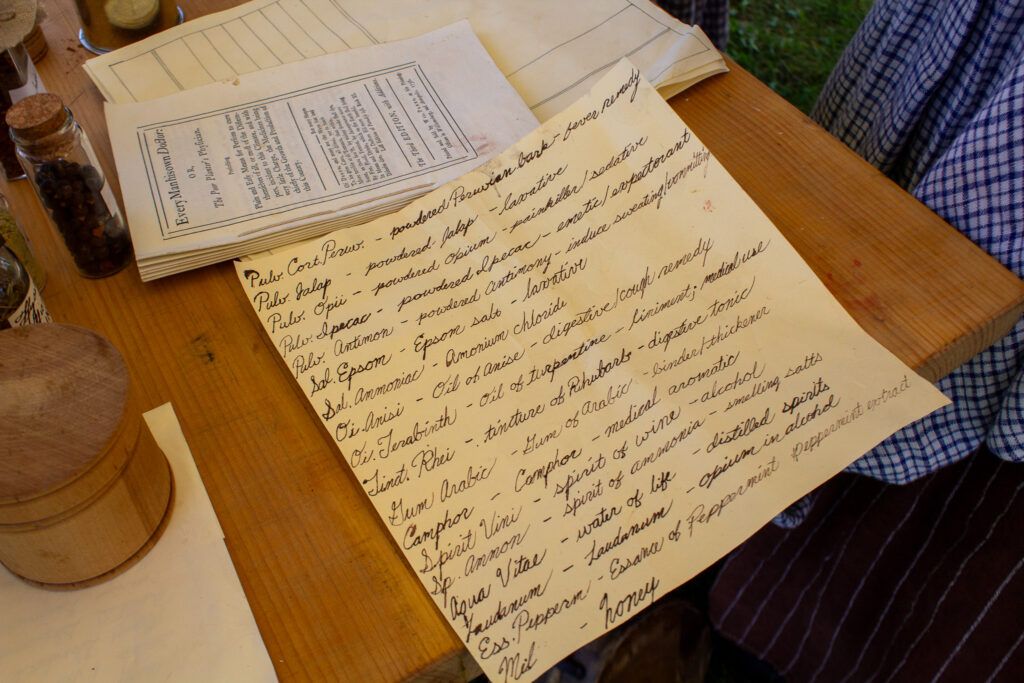
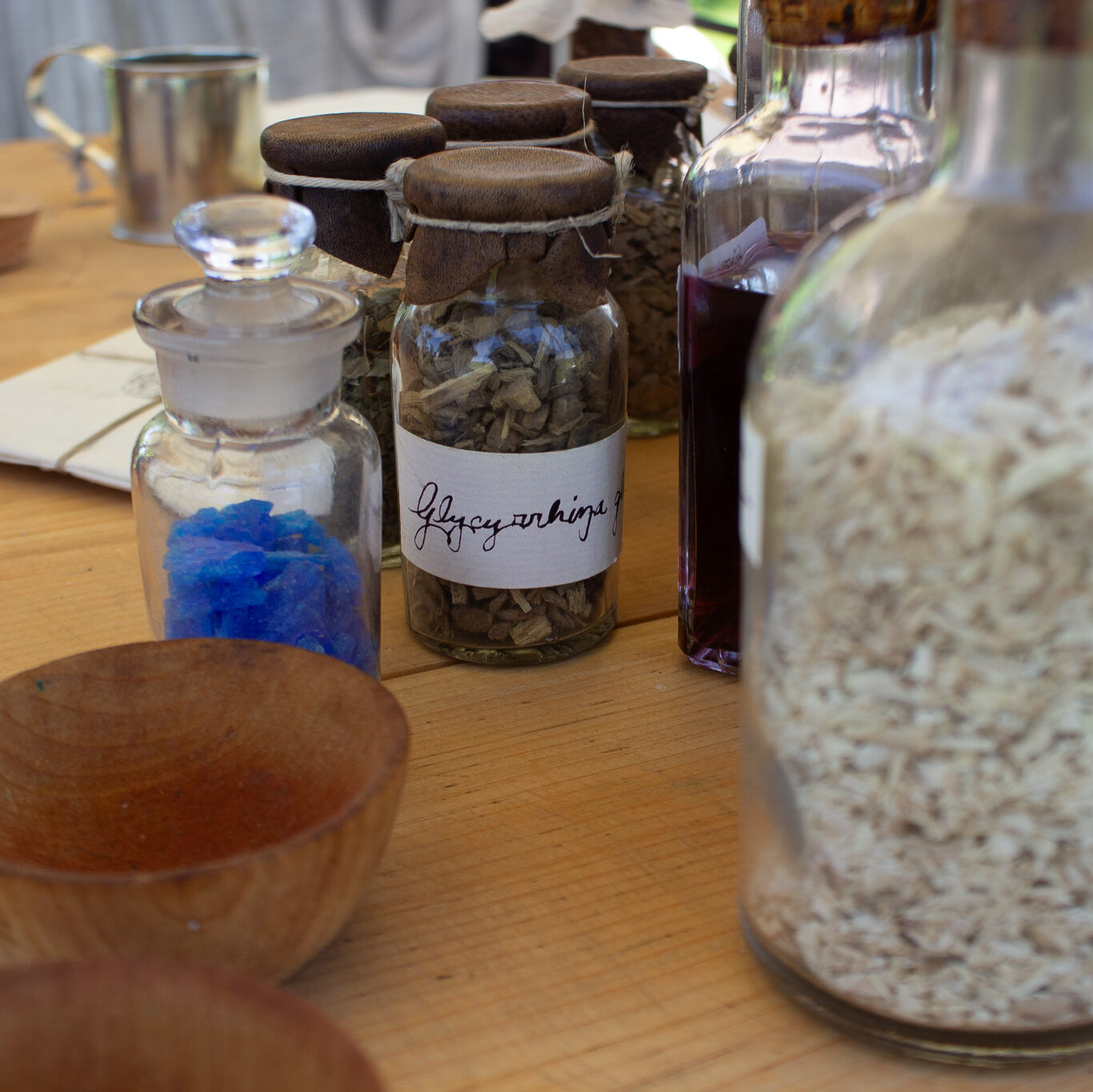
Medicine reference and herbal components at the flying hospital, Fort Ticonderoga, Ticonderoga, NY. 2026.
Camp followers at the flying hospital, Fort Ticonderoga, Ticonderoga, NY. 2026.

The Flying Hospital in Action
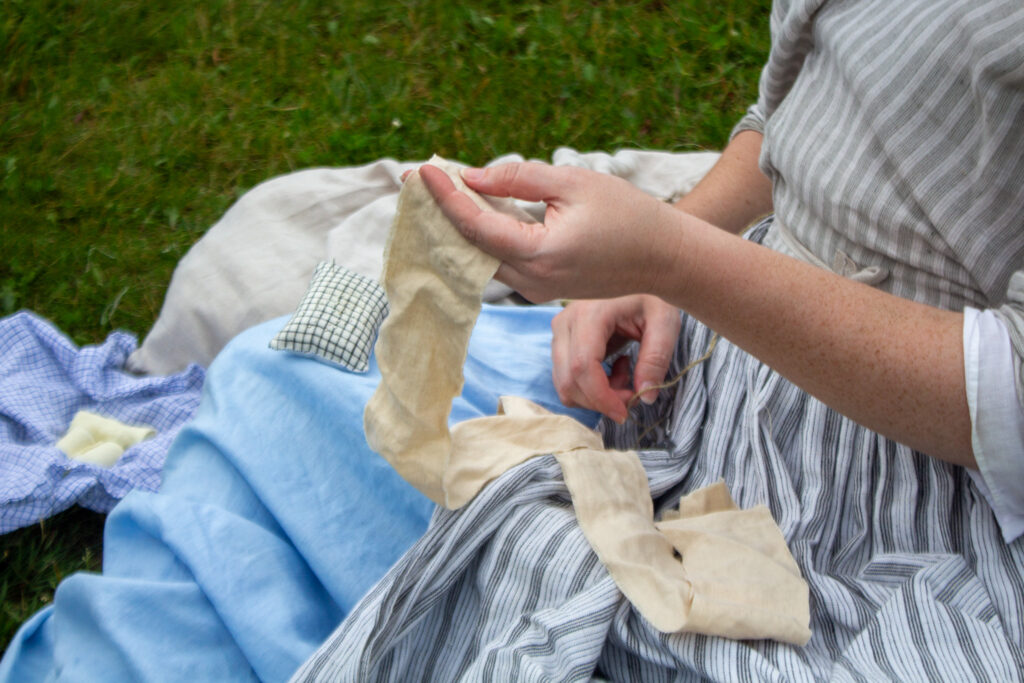
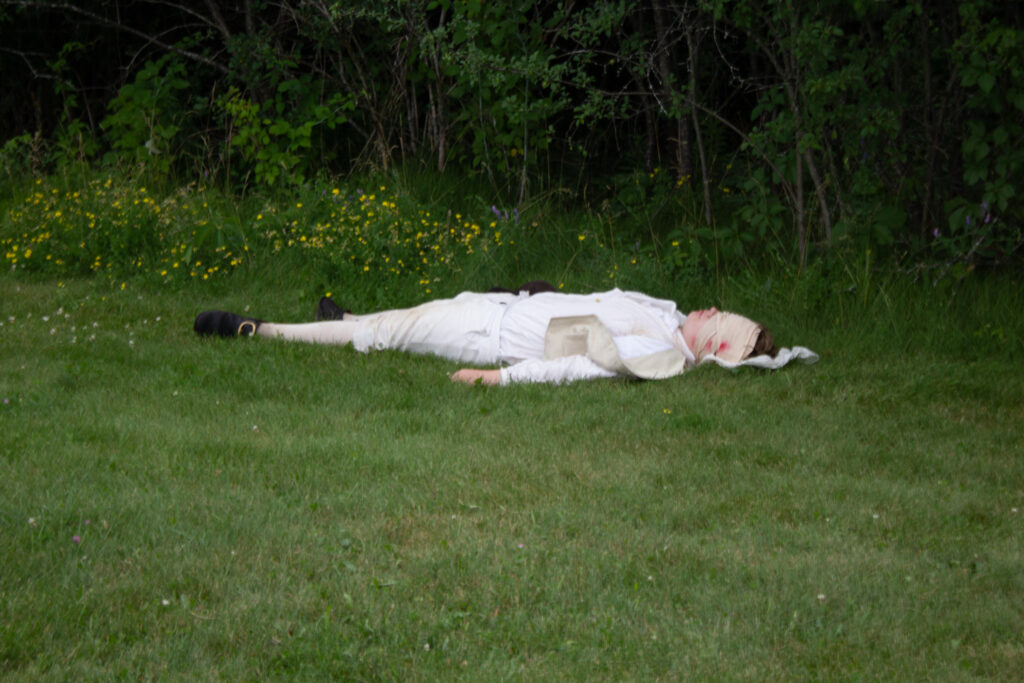
An unfortunate foot soldier at the flying hospital, Fort Ticonderoga, Ticonderoga, NY. 2026.
An unfortunate soldier.
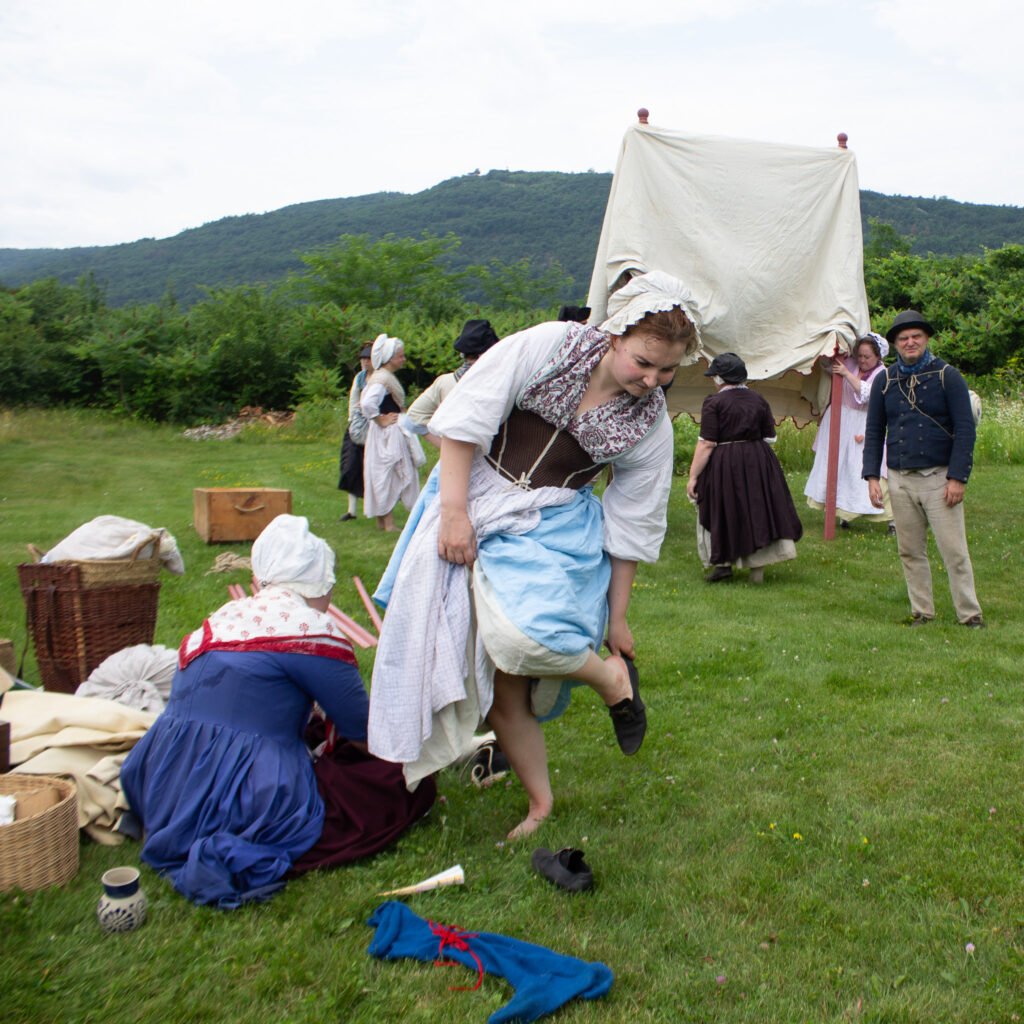
Setting up the flying hospital, Fort Ticonderoga, Ticonderoga, NY. 2026.
Setting up the flying hospital.
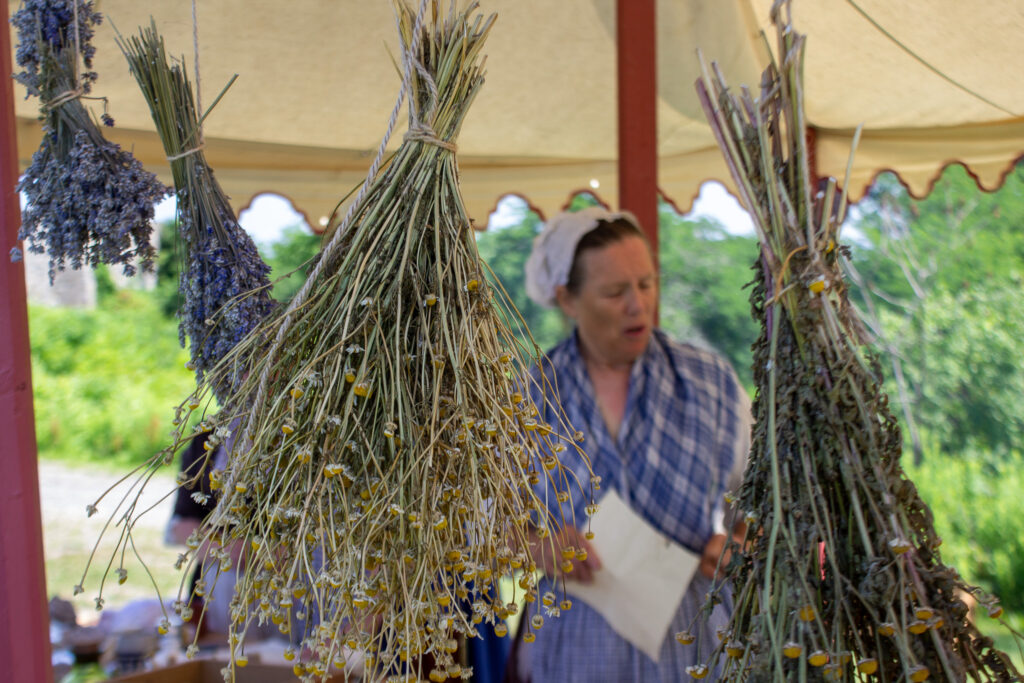
A camp follower before dried herbs at the flying hospital, Fort Ticonderoga, Ticonderoga, NY. 2026.
Dried herbs at the flying hospital.
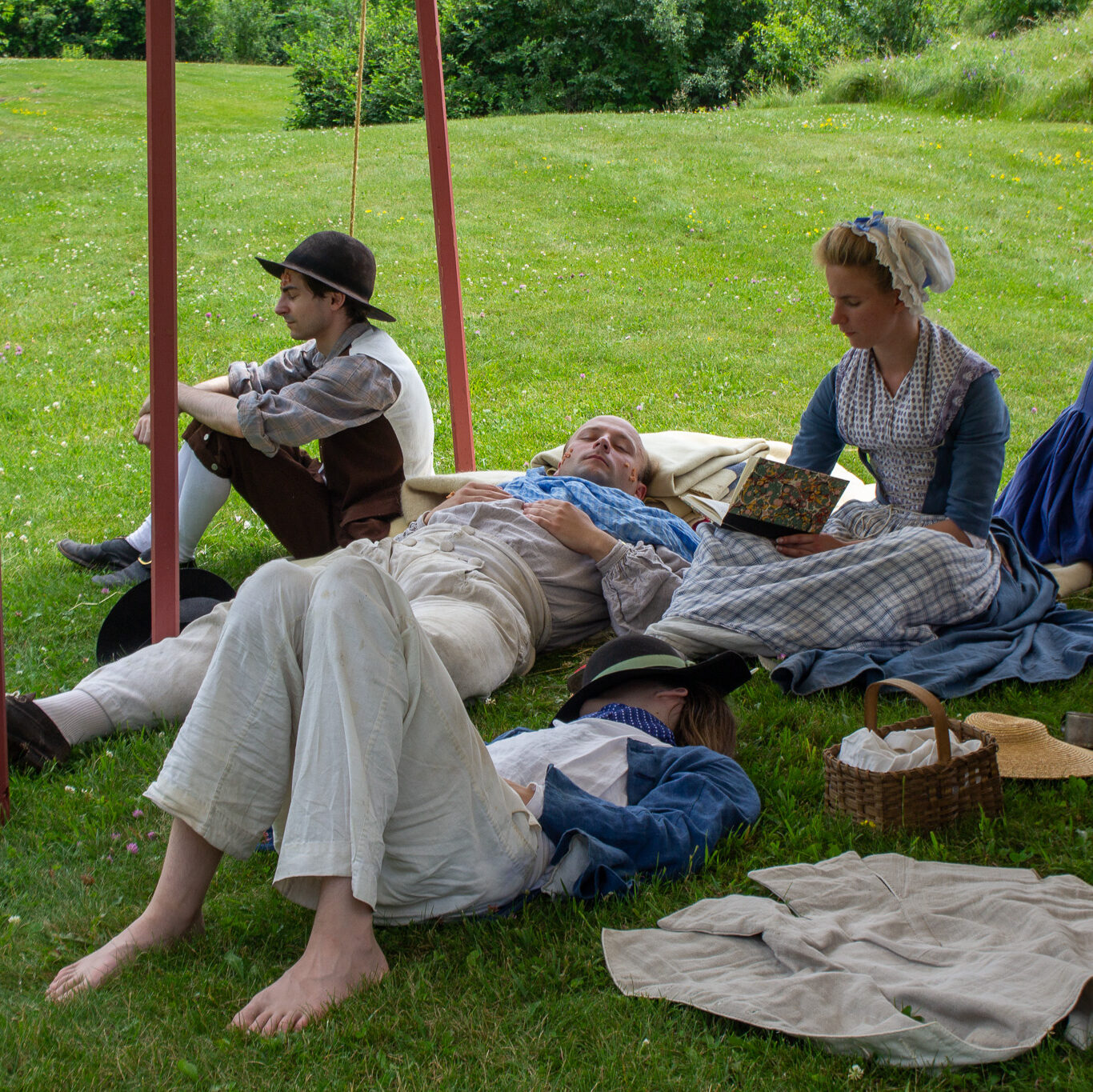
A camp follower reads to patients at the flying hospital, Fort Ticonderoga, Ticonderoga, NY. 2026.
A camp follower reads to patients at the flying hospital.
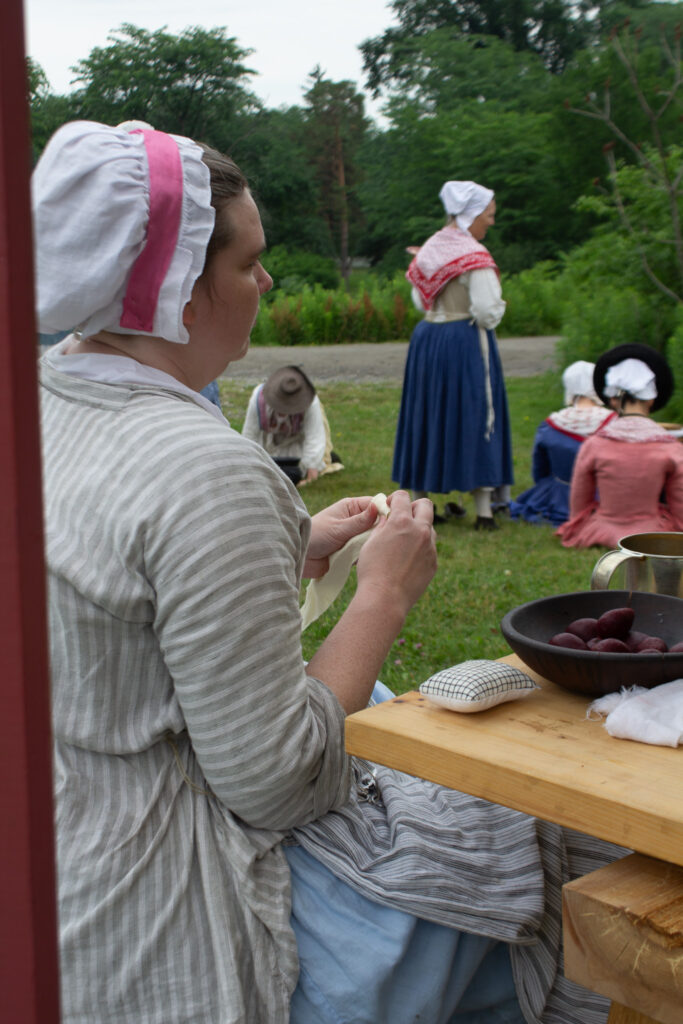
A camp follower prepares bandages at the flying hospital, Fort Ticonderoga, Ticonderoga, NY. 2026.
Preparing bandages.
A camp follower rolls bandages at the flying hospital, Fort Ticonderoga, Ticonderoga, NY. 2026.
A camp follower rolls bandages at the flying hospital.
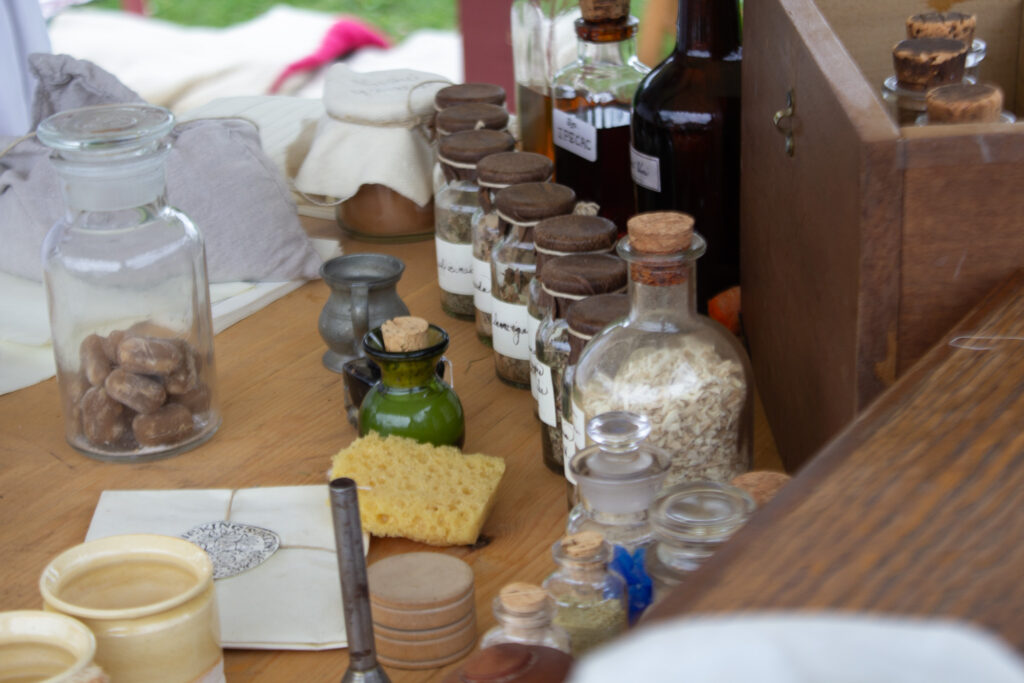
Bottled herbal ingredients at the flying hospital, Fort Ticonderoga, Ticonderoga, NY. 2026.
Bottled herbal ingredients.
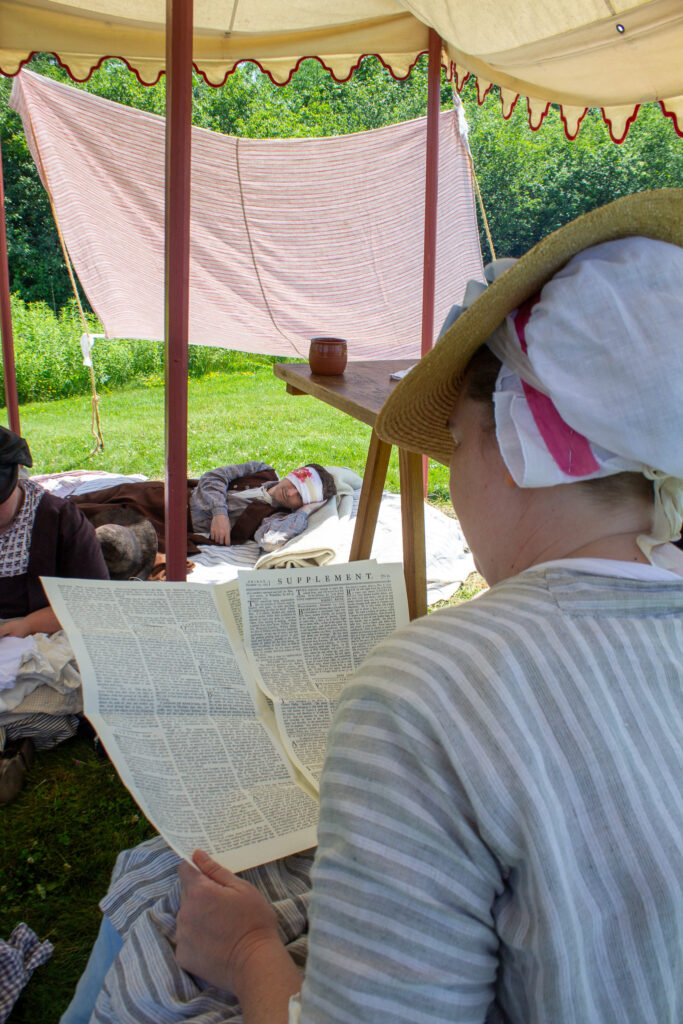
A camp follower reads a newspaper to a patient at the flying hospital, Fort Ticonderoga, Ticonderoga, NY. 2026.
A camp follower reads a newspaper to patients at the flying hospital.
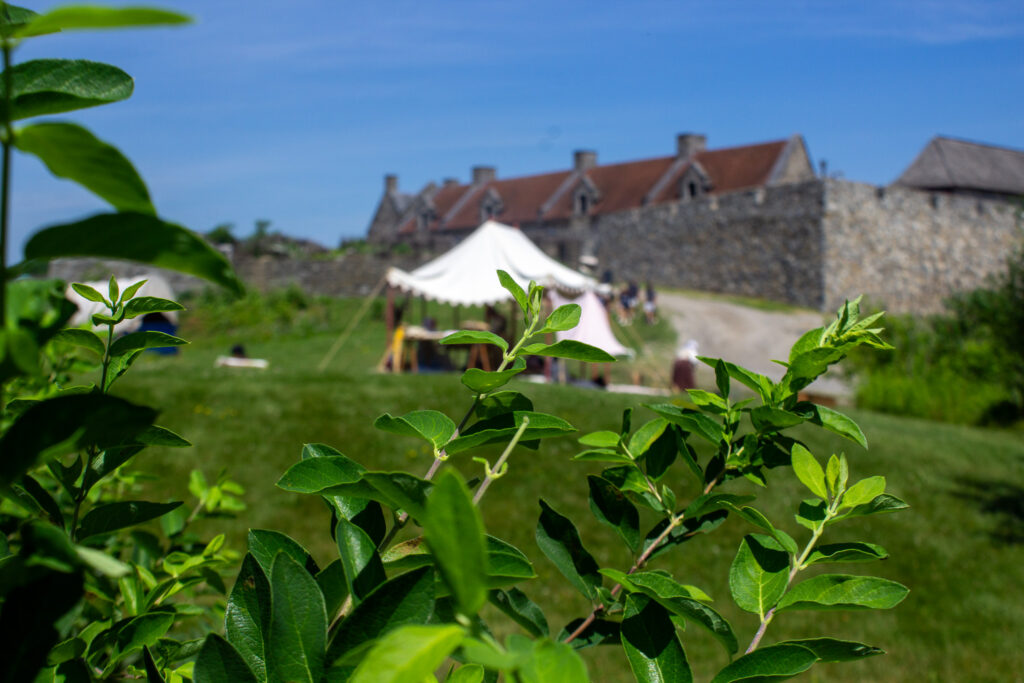
The flying hospital outside the Fort walls, Fort Ticonderoga, Ticonderoga, NY. 2026.
The flying hospital outside the Fort’s walls.

Medicine Without Modern Medicine

Without the aid of a surgeon or doctor, nurses relied on printed reference material (like the pamphlet “Every man his own doctor, or, The poor planter’s physician,” which used herbal remedies to treat the symptoms of known ailments.) Additional apothecary knowledge and receipts (or recipes) could be recorded and taught to new nurses.
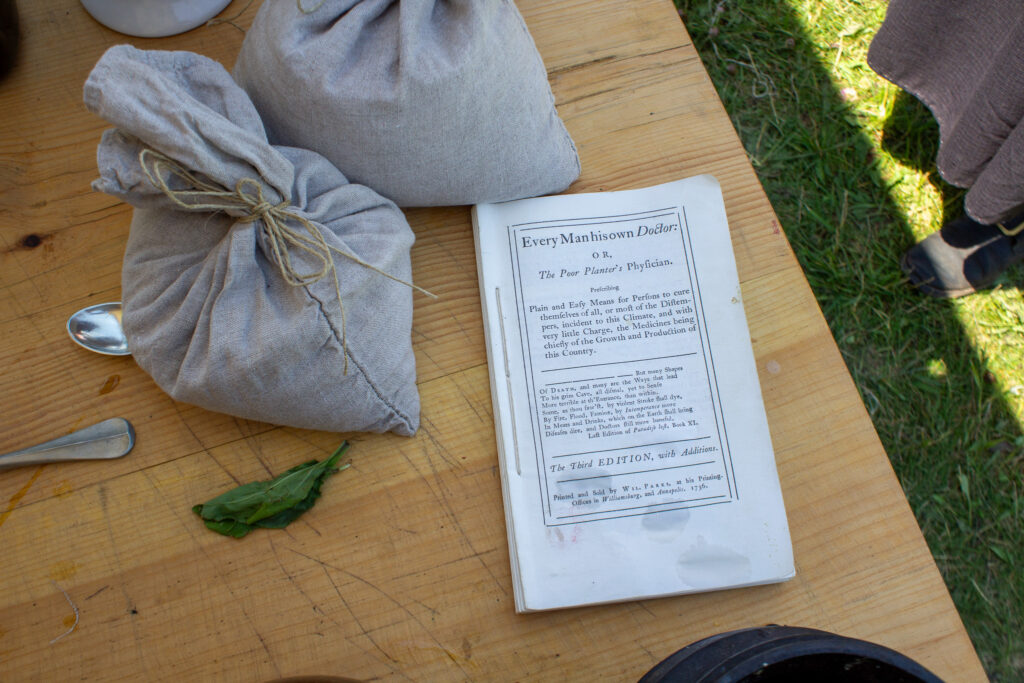
Medicine reference "Every man his own doctor, or, The poor planter's physician" at the flying hospital, Fort Ticonderoga, Ticonderoga, NY. 2026.
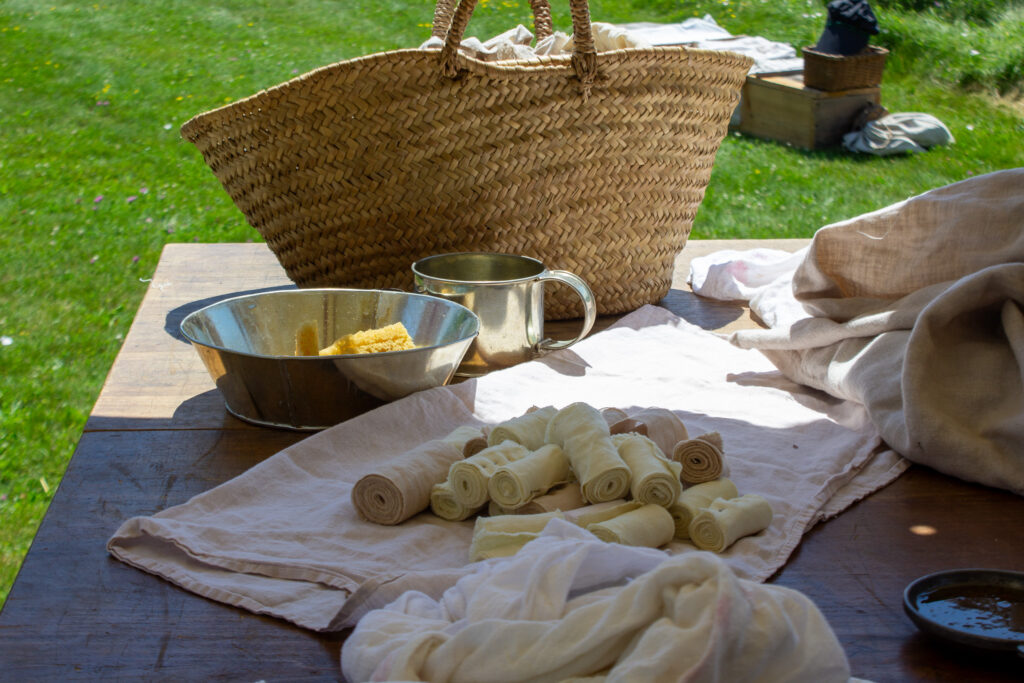
Rolled bandages at the flying hospital, Fort Ticonderoga, Ticonderoga, NY. 2026.
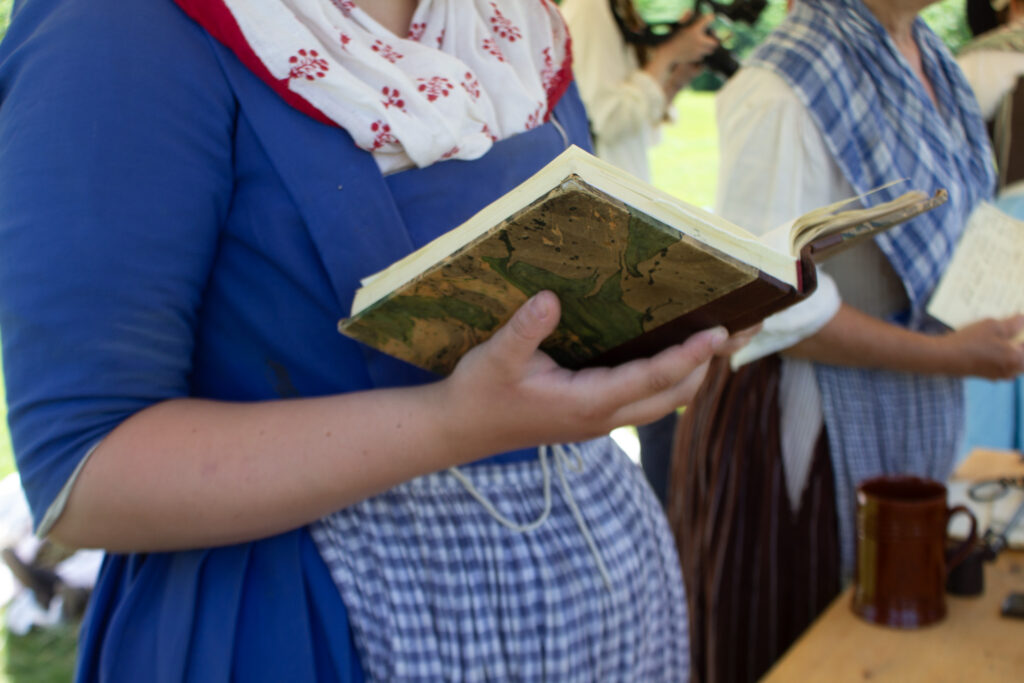
Nurse consulting a medical reference at the flying hospital, Fort Ticonderoga, Ticonderoga, NY. 2026.
Medical reference at the flying hospital, Fort Ticonderoga, Ticonderoga, NY. 2026.

Remedies from the Natural World

Much of 18th-century medicine relied on natural botanical compounds to treat the symptoms of illness. These ingredients might be imported and purchased, foraged, or home-grown, according to their rarity and special use.
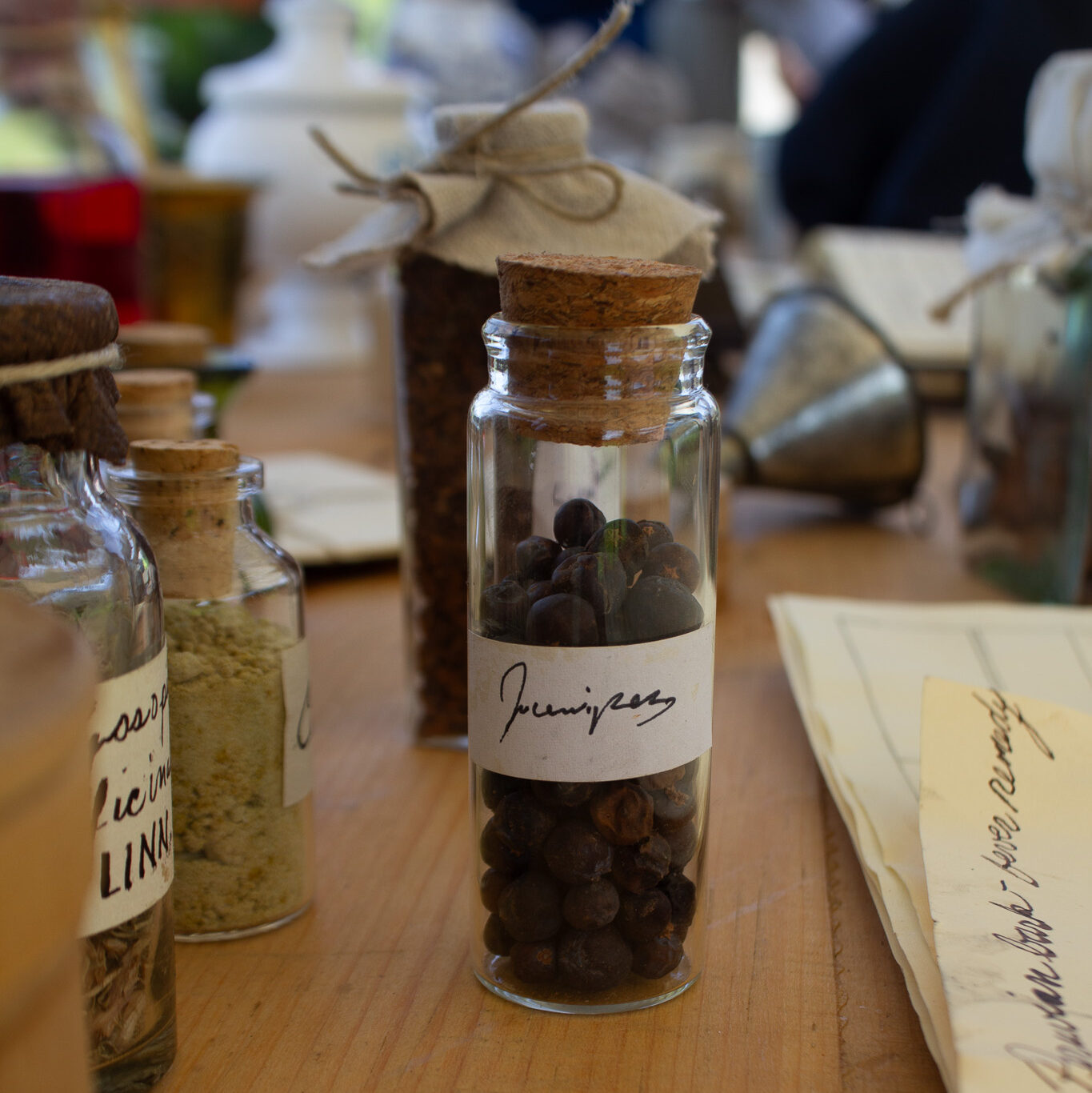
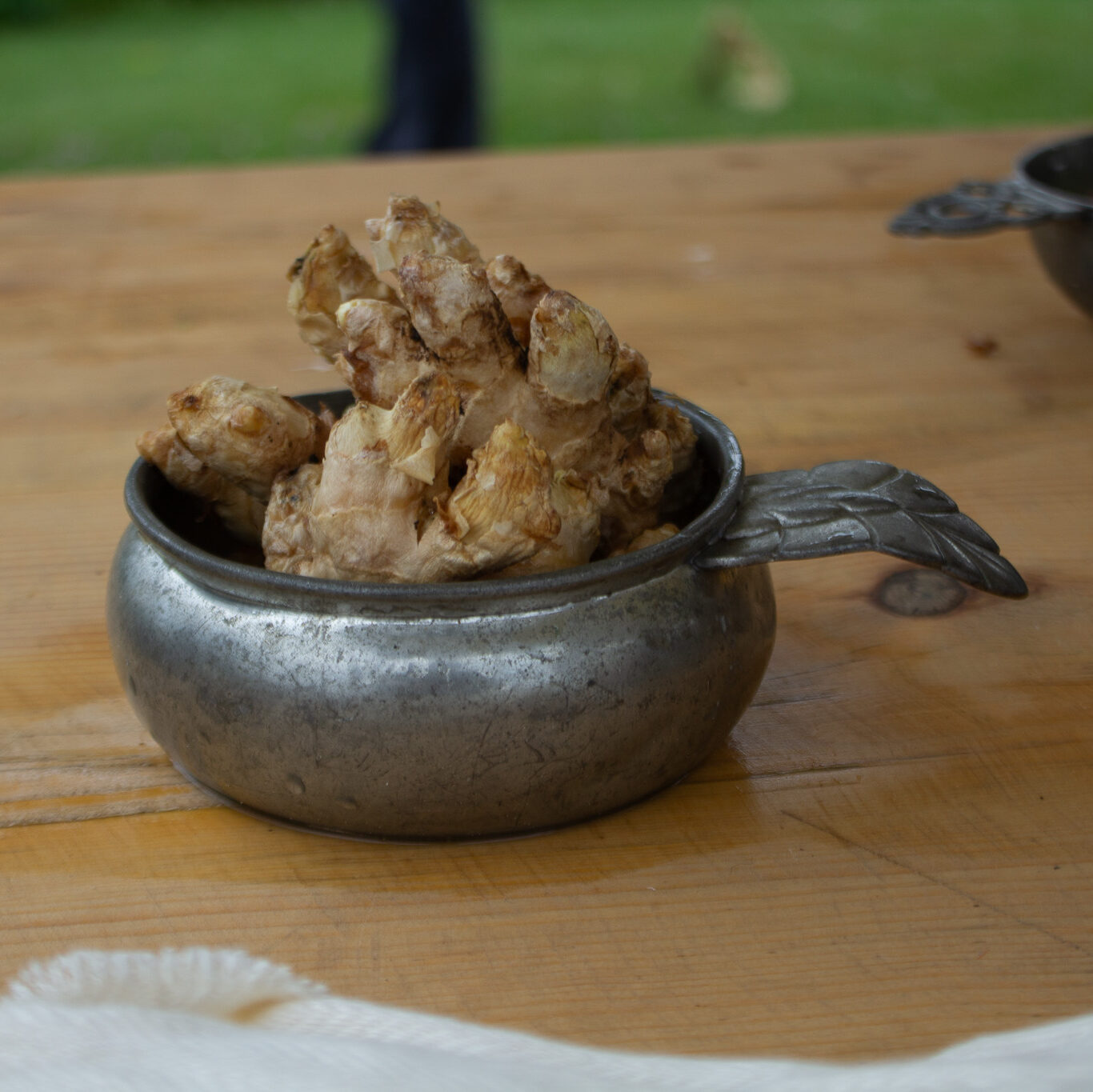
Dried juniper berries at the flying hospital, Fort Ticonderoga, Ticonderoga, NY. 2026.
Ginger root at the flying hospital, Fort Ticonderoga, Ticonderoga, NY. 2026.
Bottled herbal ingredients at the flying hospital, Fort Ticonderoga, Ticonderoga, NY. 2026.
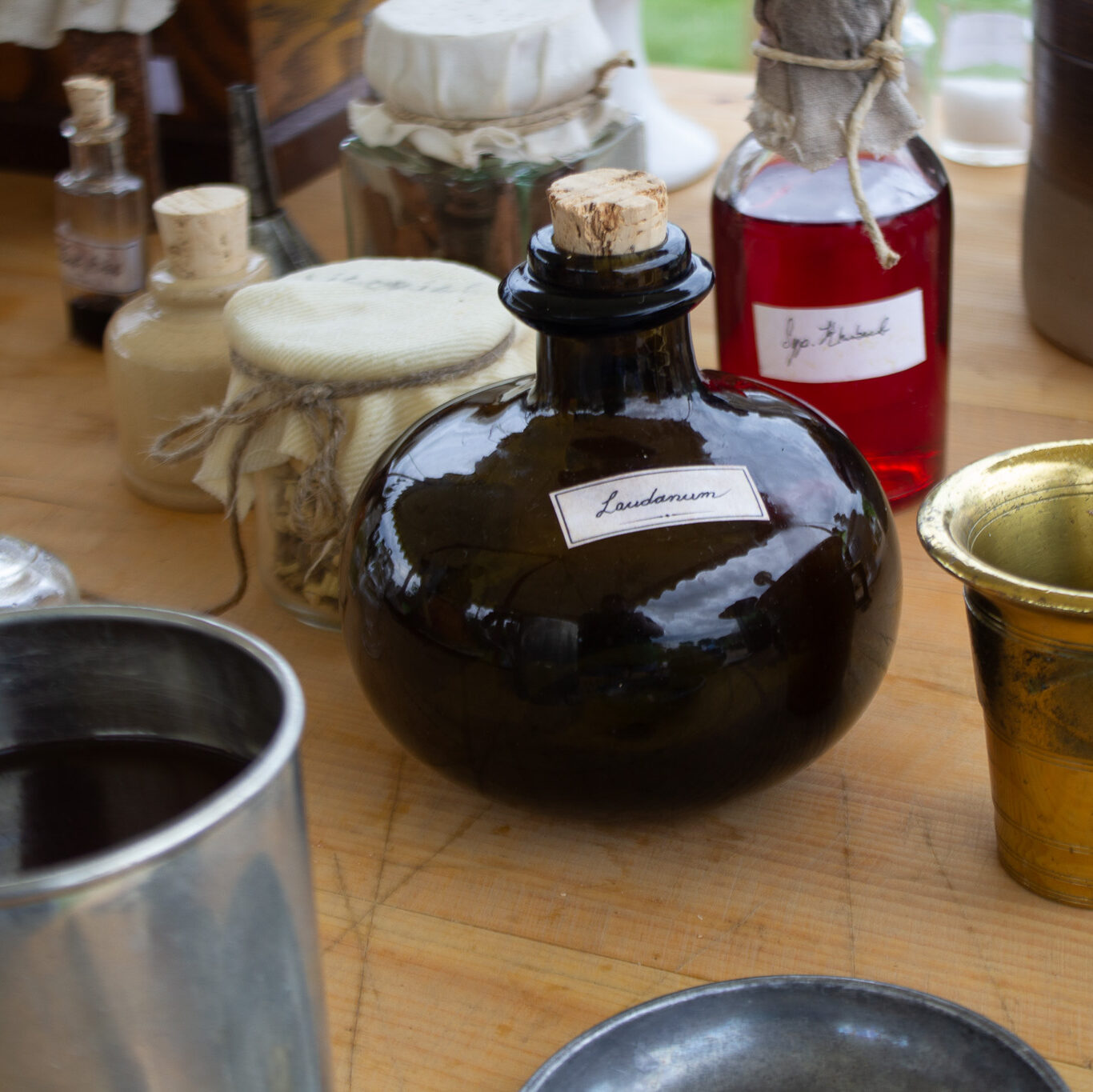
Bottled laudanum at the flying hospital, Fort Ticonderoga, Ticonderoga, NY. 2026.
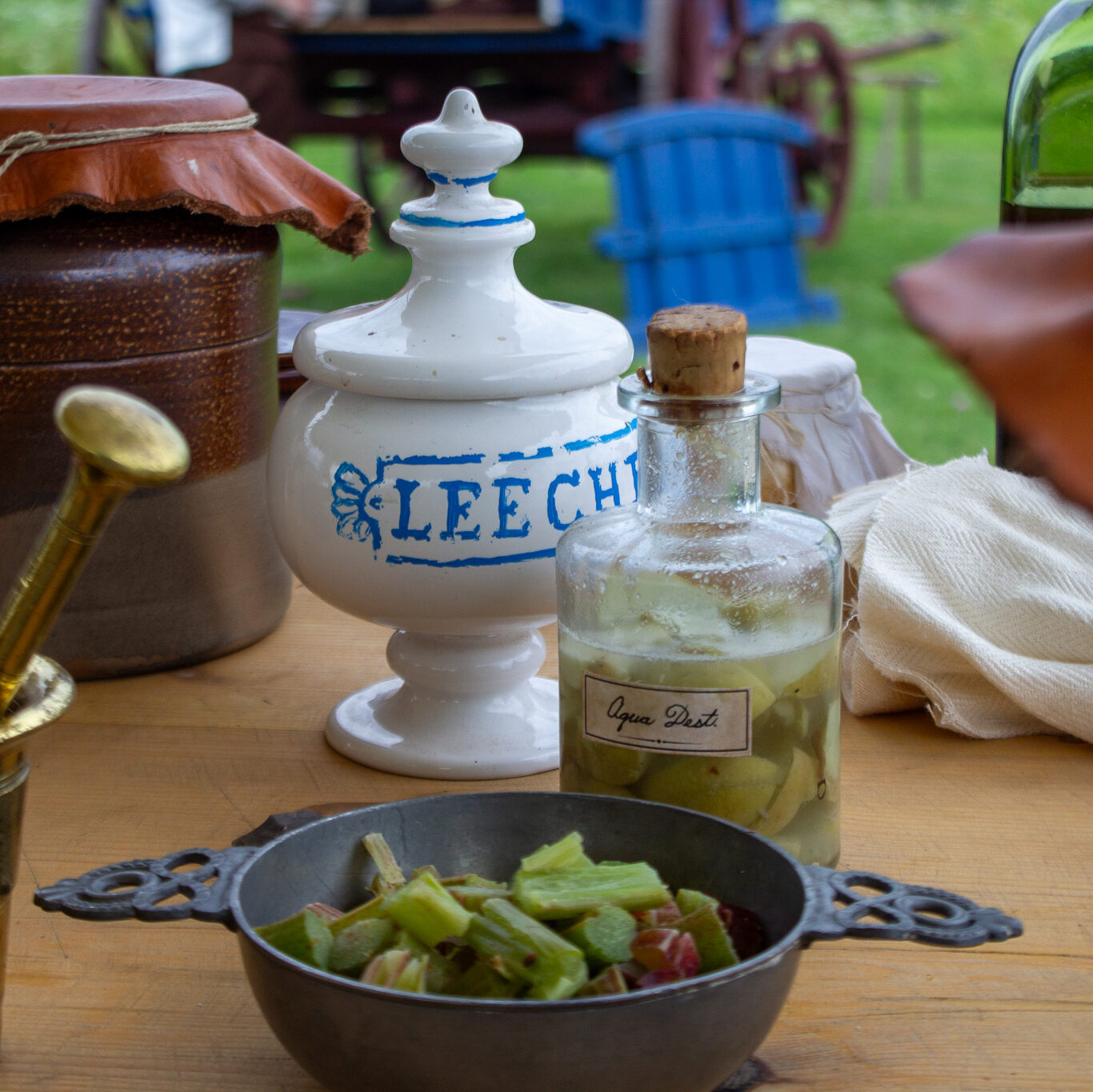
Leech jar and rubarb at the flying hospital, Fort Ticonderoga, Ticonderoga, NY. 2026.
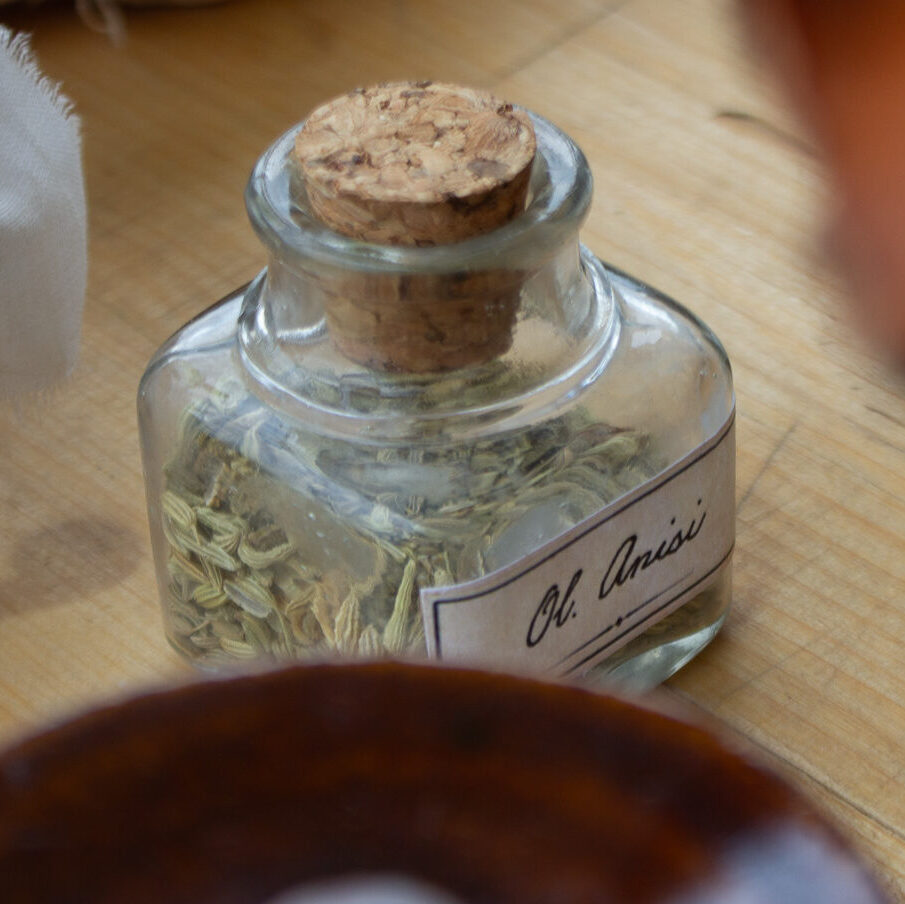
Bottled herbal ingredient at the flying hospital, Fort Ticonderoga, Ticonderoga, NY. 2026.
See all of my photos from this event

Filed Under: Living History, Museums, Photography Tagged With: Fort Ticonderoga

Previous Post: « 250th at Fort Ticonderoga

Primary Sidebar

Let’s Connect

  • Email
  • Facebook
  • Instagram
  • Pinterest

About the Artist

Clara Everhart is an emerging photographer, capturing the work of individual historians, reenactment units, and historic sites during the US 250th and beyond.

Subscribe to the Newsletter

I'll never send you spam.

Check your inbox to confirm your subscription.

Copyright © 2026 Everhart Creative on the Foodie Pro Theme